Guide to Chongqing Zoo: Giant Pandas, Tickets & Getting There

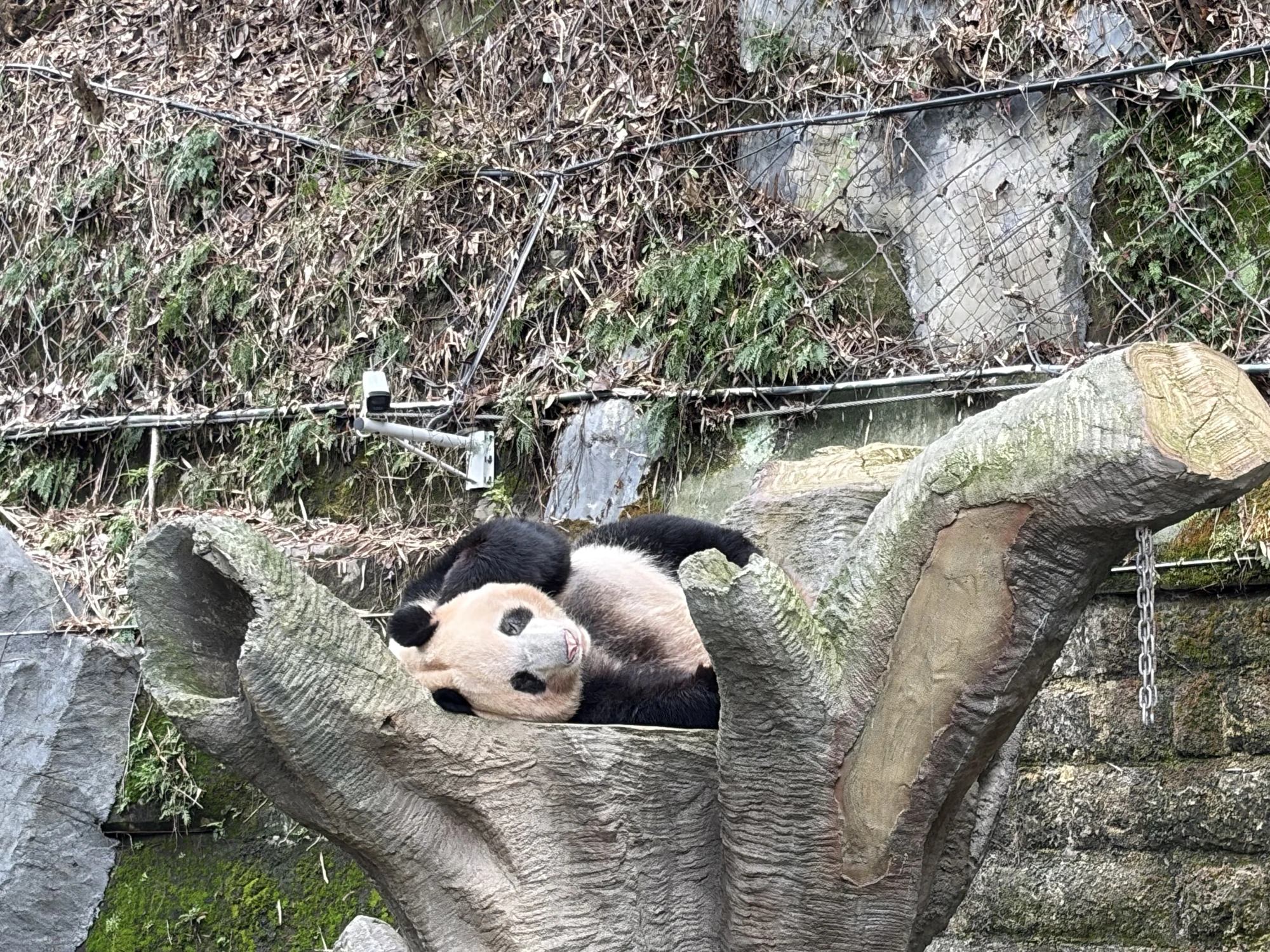
If you do not have time to make it to the Chengdu Research Base of Giant Panda Breeding, Chongqing Zoo is a good alternative. It has more giant pandas than any other city zoo in China, yet it is right in urban Chongqing, easy to reach by metro, and manageable in half a day.
Address & map
Address: No. 1, Xijiao Yicun, Jiulongpo District, Chongqing
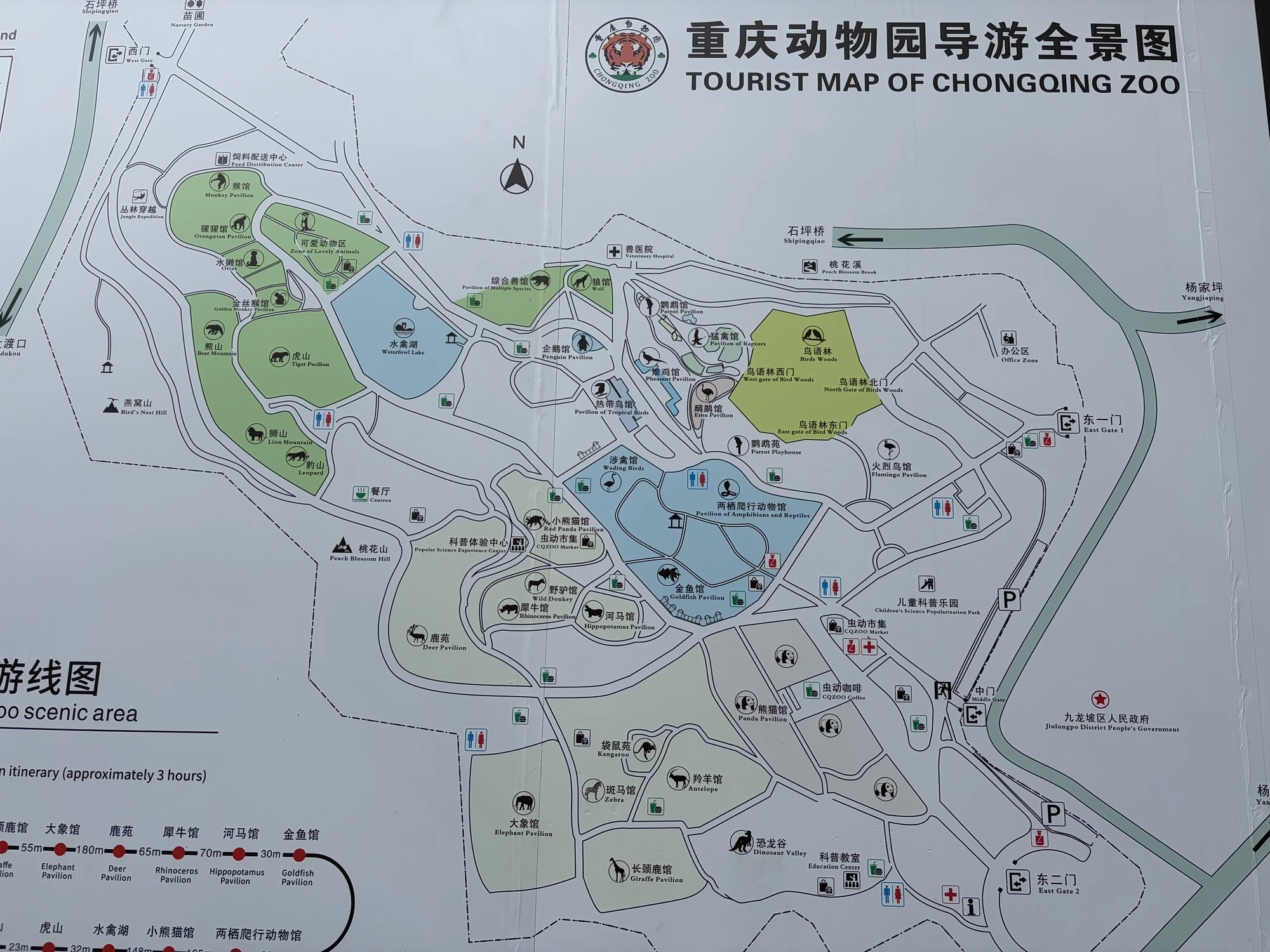
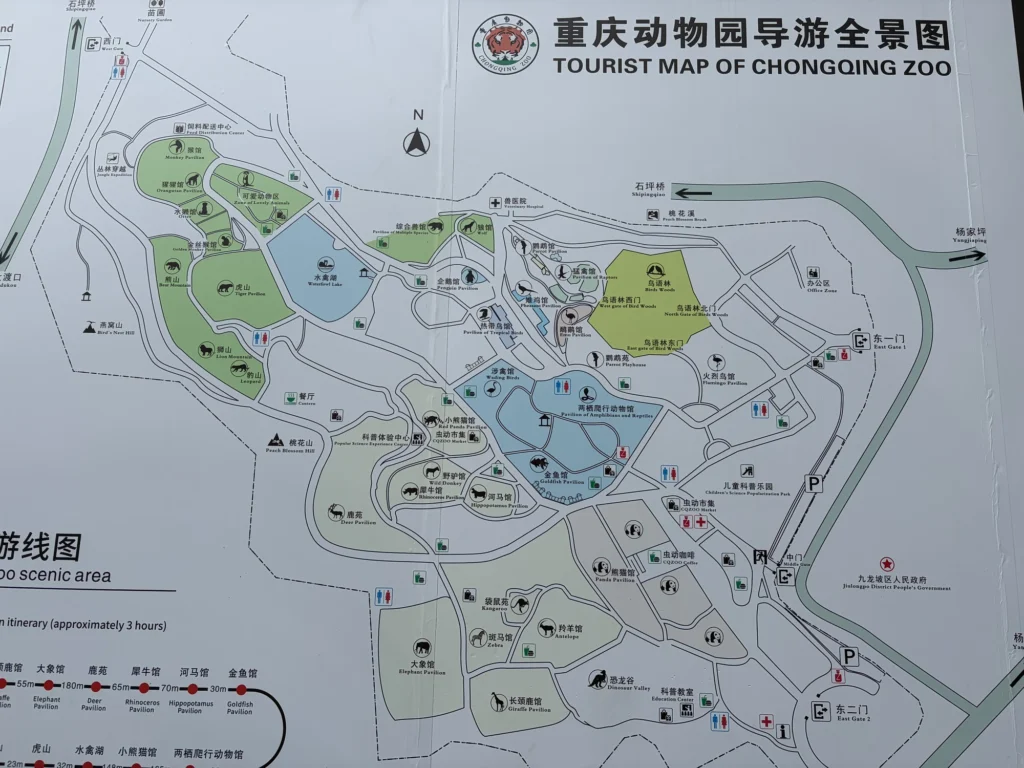
A map of the zoo is shown below. For a closer look, click here to view the full-size image.
Getting there
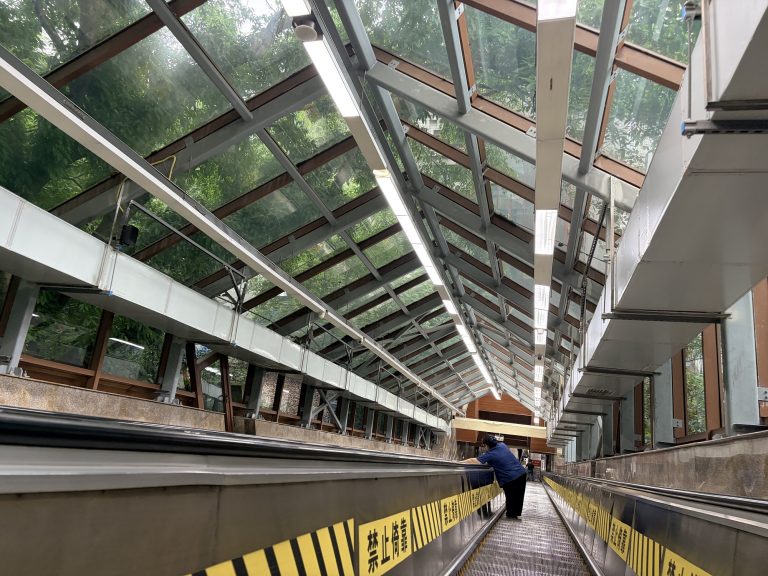
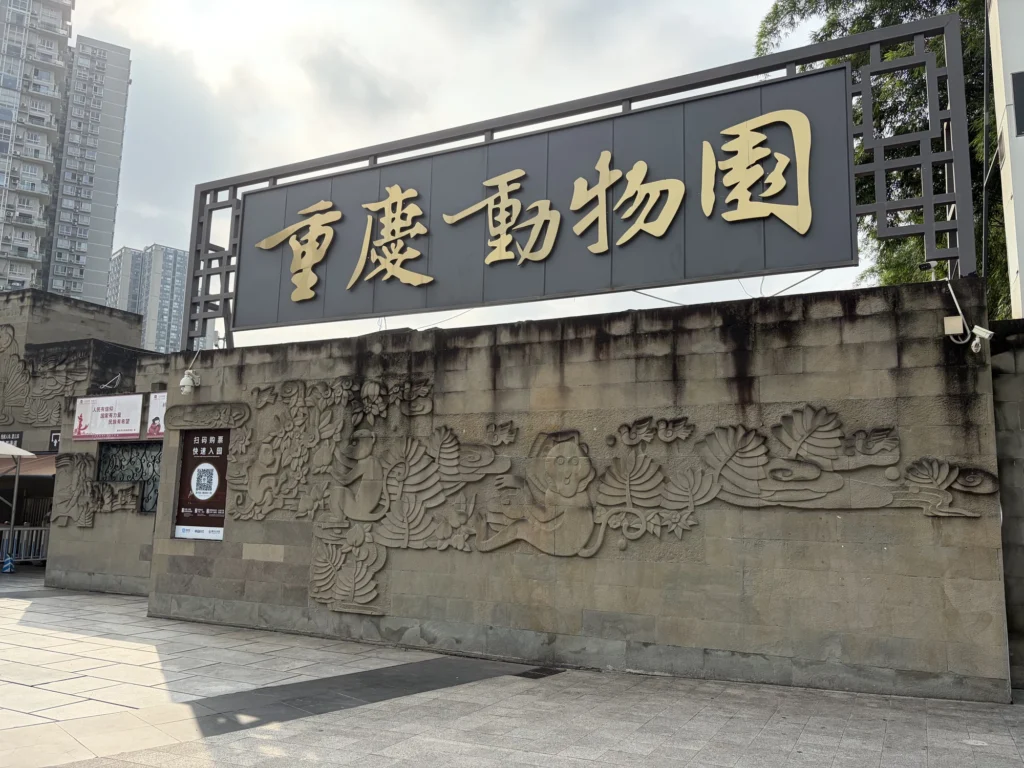
Take Line 2 to Zoo Station and use Exit 1. East Gate 2 is only a few dozen meters away, and the giant panda area is just inside the entrance.
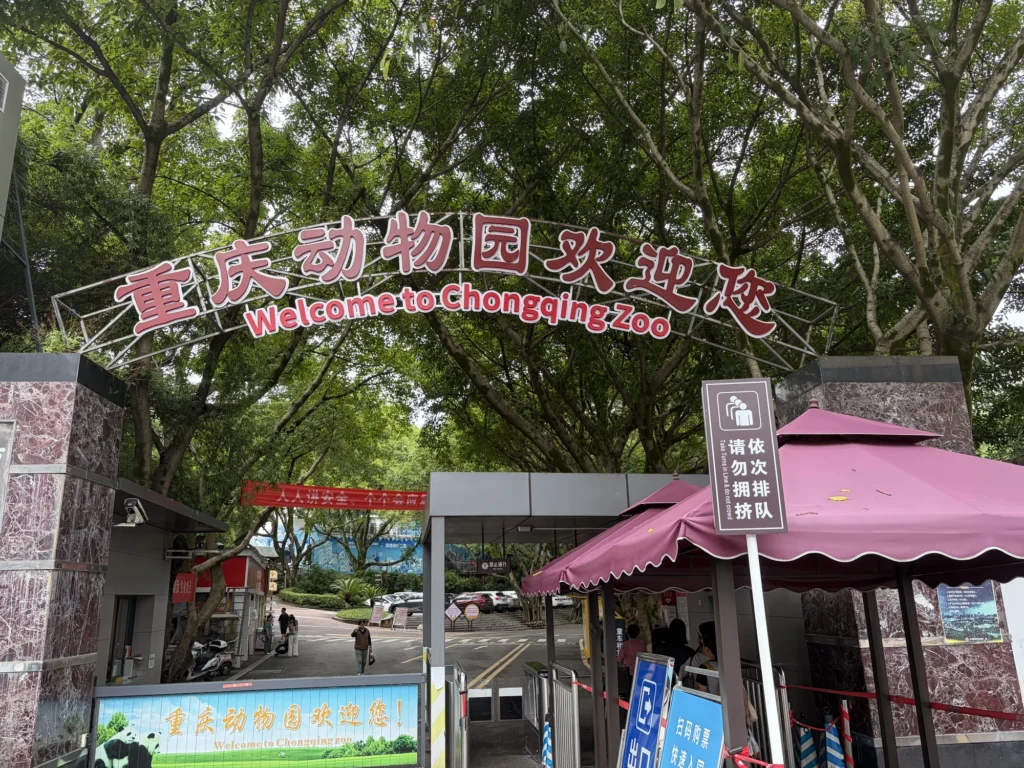
For a quieter alternative, get off at Yangjiaping Station and enter through East Gate 1. This adds roughly 400 meters of walking, but the entrance tends to be less crowded. During major public holidays such as China’s National Day holiday, this is a good option if you want to avoid the lines.
Tickets & opening hours
Admission is inexpensive: tickets cost RMB 25 from January through November and RMB 20 in December. Children aged 6 and under enter free, as do visitors aged 65 and older. Those aged 6 to 18 and visitors aged 60 to 64 receive half-price admission. A valid ID is required when purchasing tickets.
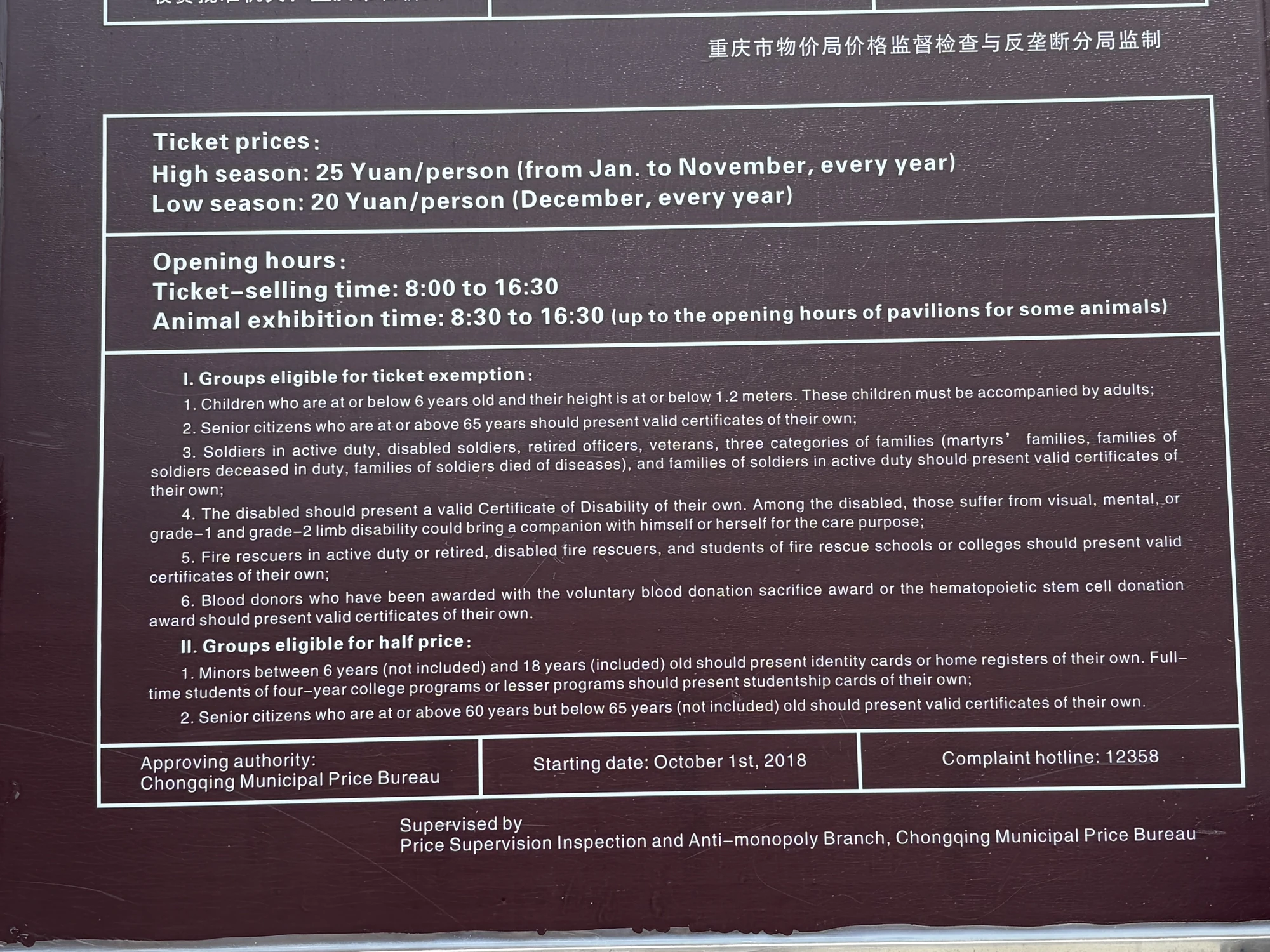
The zoo is open 8:00 to 18:00, with last entry at 16:30.
However, many of the animal exhibits begin closing for the day after 16:30. If you want to see all the animals, I would not recommend arriving right at last entry.
The giant panda area is an exception and stays open from 8:30 to 17:00. If your schedule is tight and the pandas are your only reason for coming, arriving at 16:30 can still be worthwhile, but you will have only about half an hour with them.
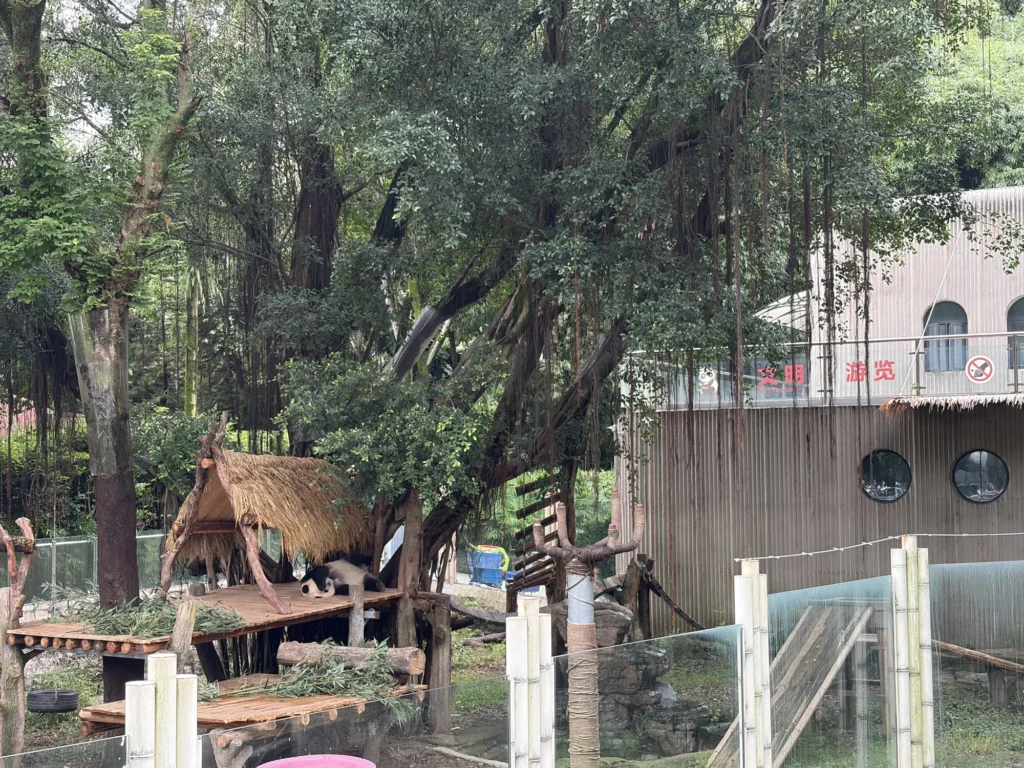
What to See at Chongqing Zoo
The giant pandas are, of course, the zoo’s biggest draw. If you enter through East Gate 2, the giant panda area is just across the plaza.
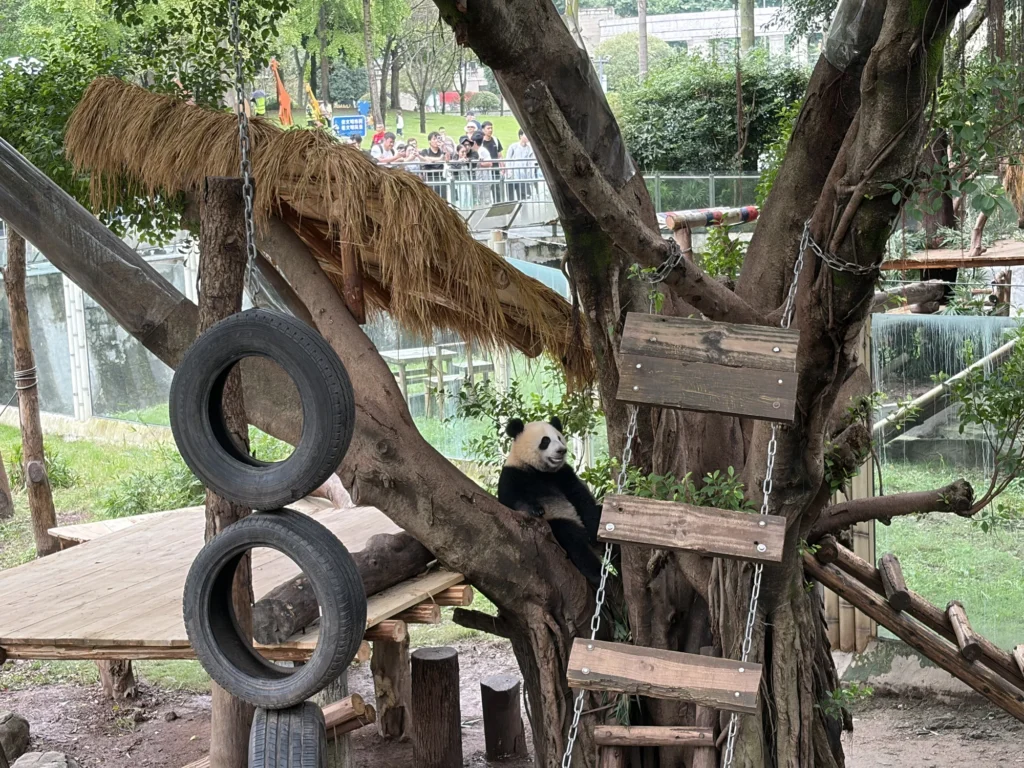
One thing to keep in mind is that the pandas are free to move between their indoor rooms and outdoor enclosures. In very hot or cold weather, they may head back inside, so there is no guarantee you will see them.
If you want a better chance of seeing the pandas, or want to catch them when they are more active, the zoo recommends 8:00 to 10:00 and 14:00 to 16:00.
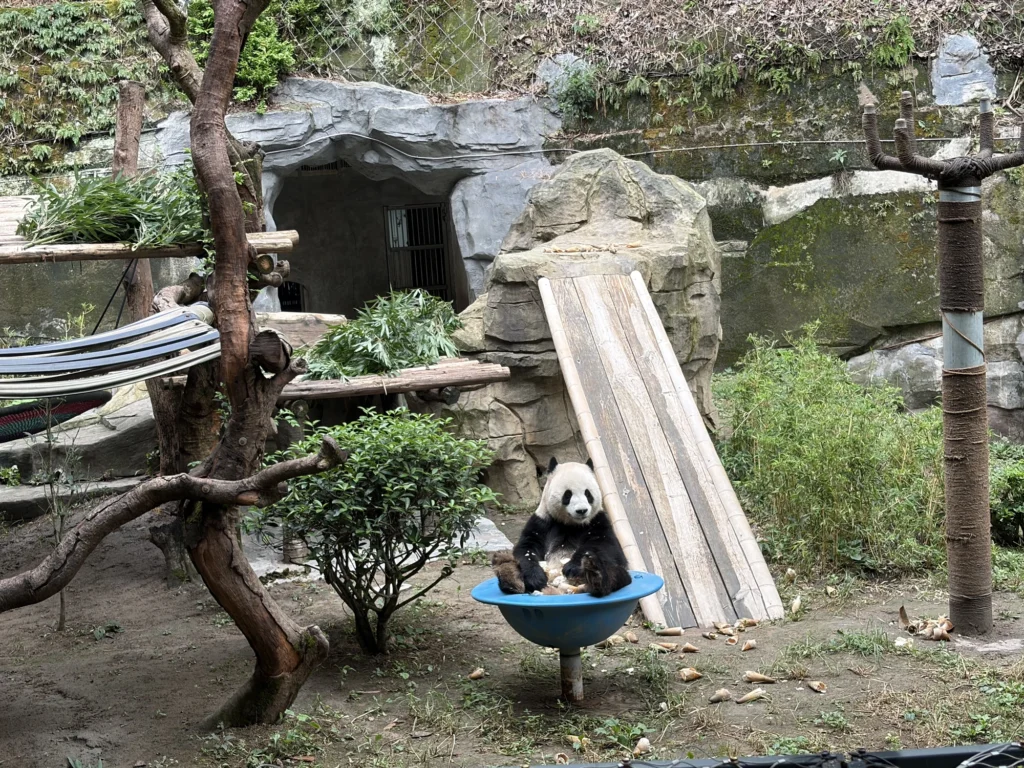
I arrived after 10:00 on my most recent visit, and several of them were already lying down for a rest. By around noon, Ding Ding had eaten bamboo for a while and then headed off to sleep as well.
It was not until around 14:30, when the keepers put out carrots and fresh bamboo, that the pandas gradually started getting up and moving around.
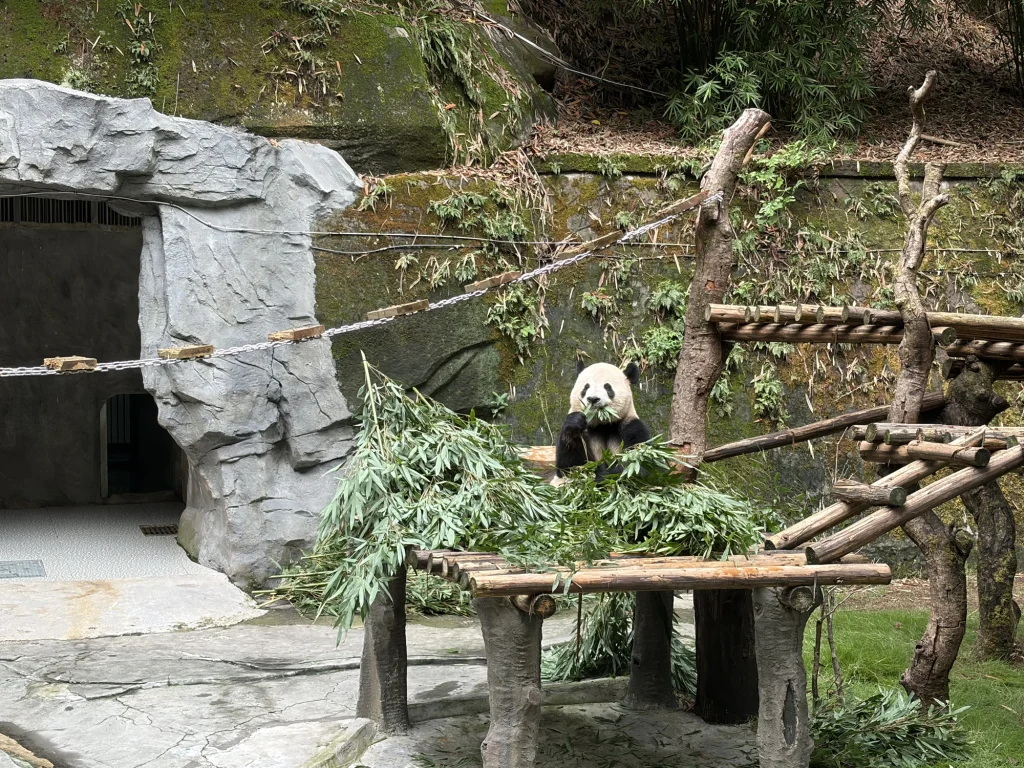
However, Chongqing gets extremely hot in summer, and the pandas can go back inside whenever they want. So even during the recommended 14:00 to 16:00 window, they may not stay outside the whole time. If you are visiting in midsummer, I would still recommend going in the morning.
Chongqing Zoo also has another kind of panda: the red panda. Despite the name, red pandas are quite different from giant pandas.
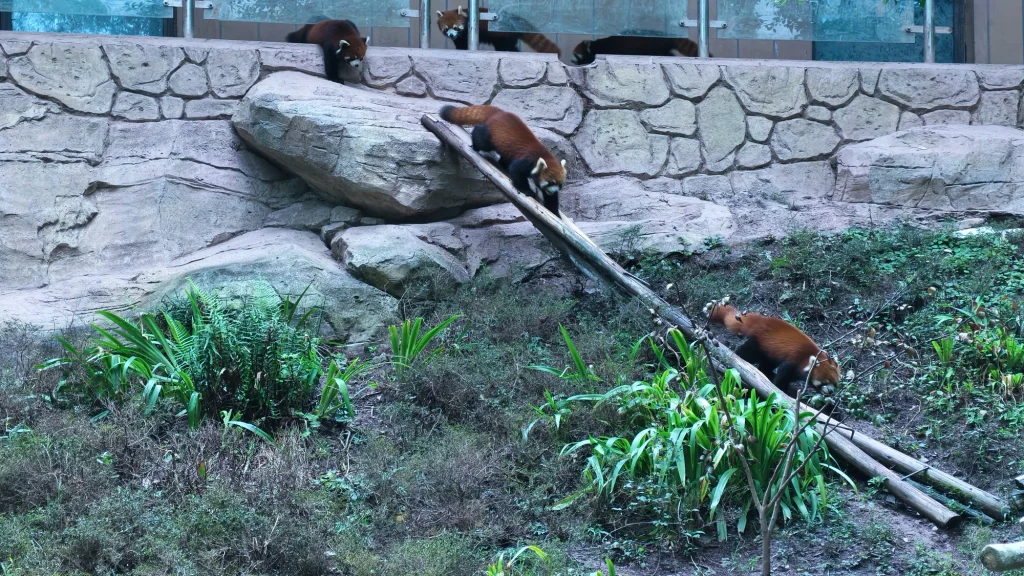
Red pandas belong to their own family, Ailuridae, and they were actually the first animals to be called “pandas.” The name was later also applied to giant pandas because bamboo is an important food for both species and they share some physical similarities. Giant pandas, however, belong to the bear family.
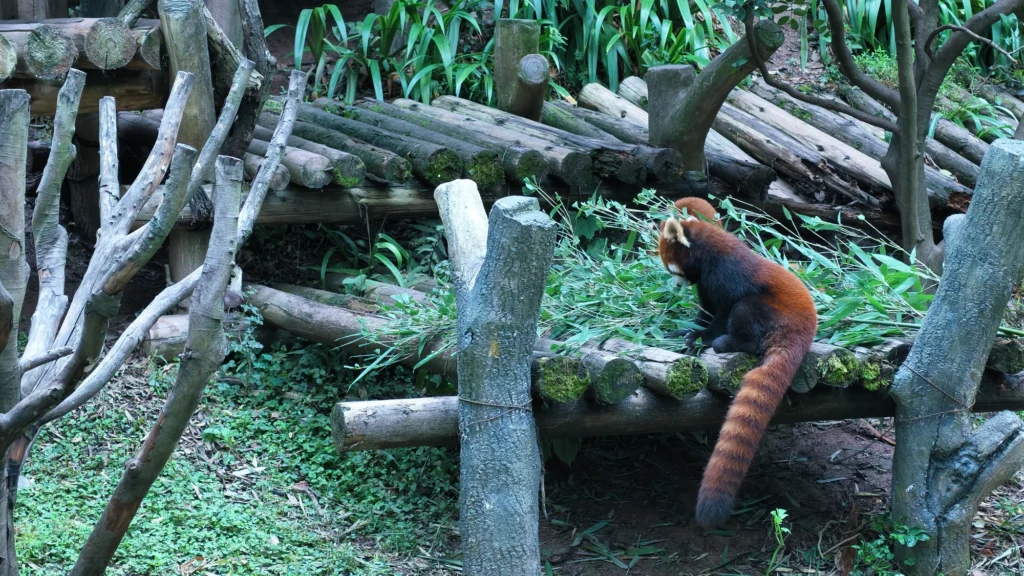
The red panda enclosure used to sit right beside the giant panda area. Possibly because visitor numbers have risen so sharply in recent years, that space has now been incorporated into the giant panda section.
The red pandas have moved to a new enclosure beside the wading bird area. Both the surroundings and the facilities are better than before, and the new enclosure also has an elevated walkway and more room for them to move around.
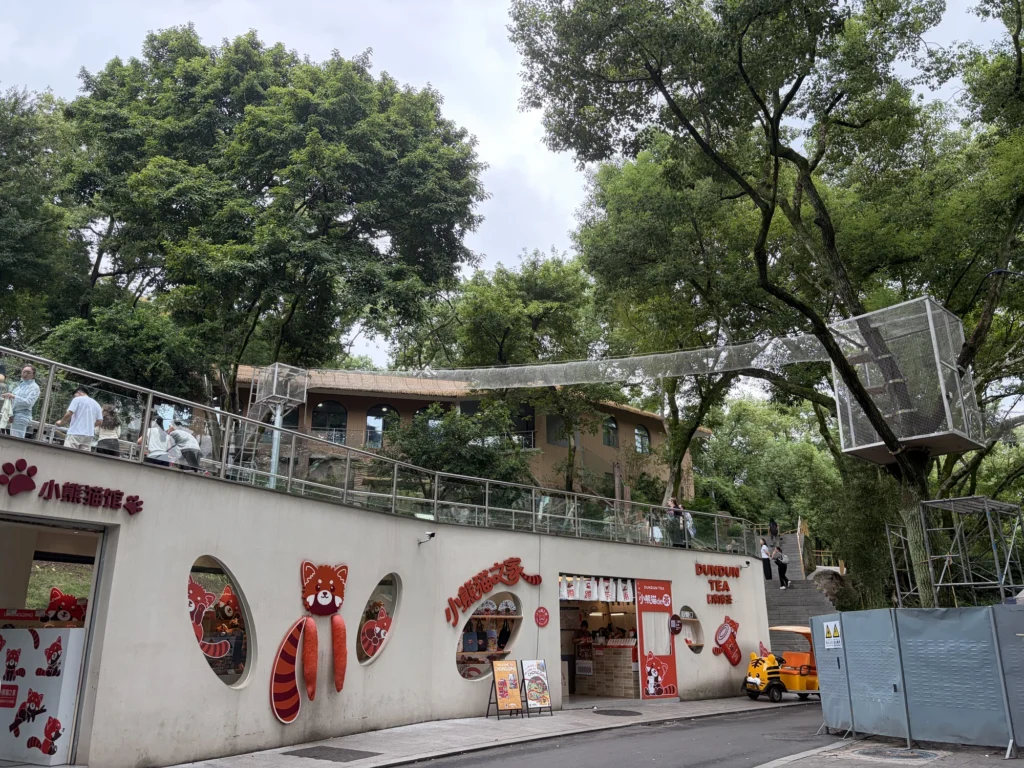
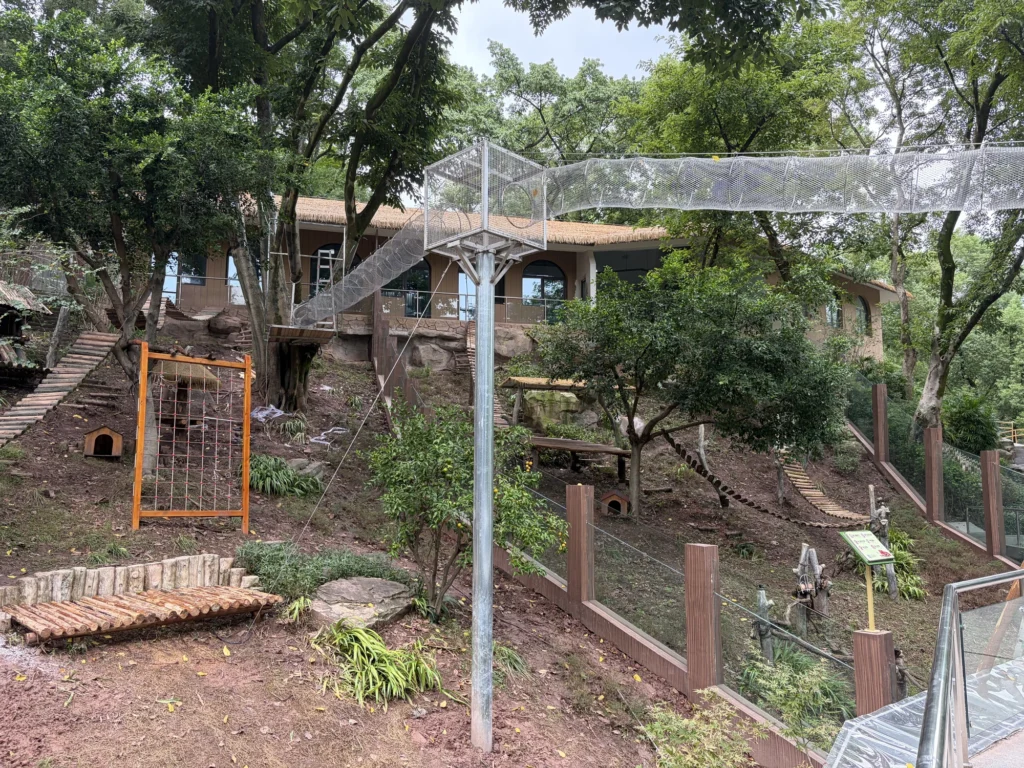
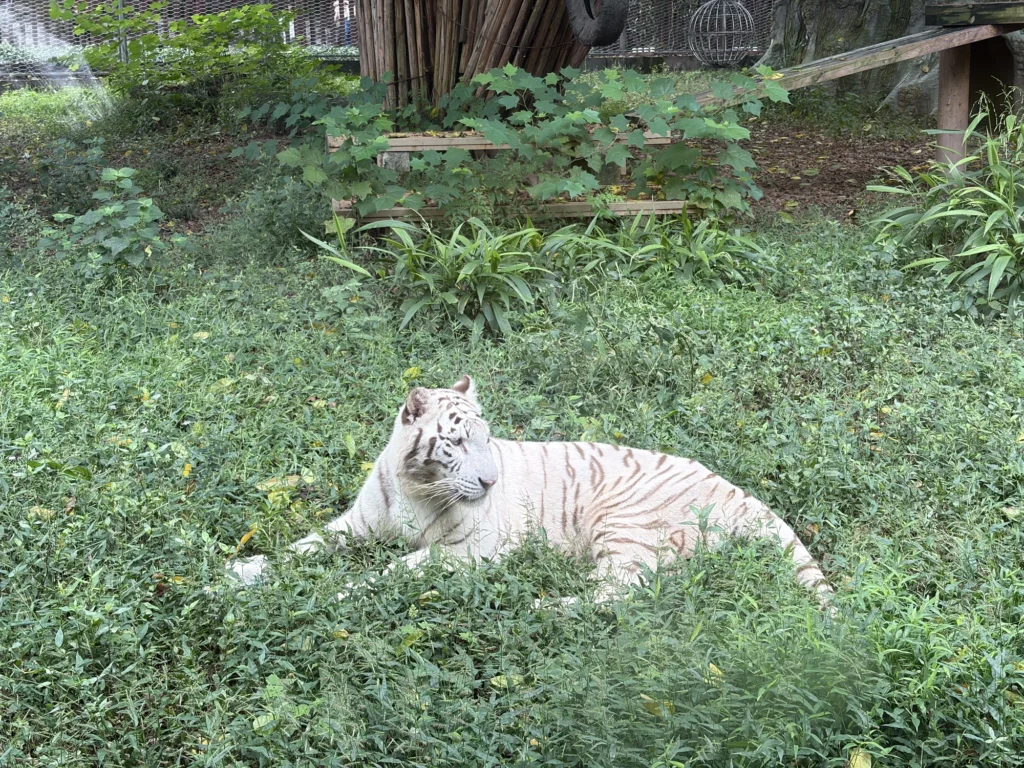
The tiger area is also worth a stop while you are here. It has two white Bengal tigers, with pale brown stripes still visible against their white coats, so they look quite different from the tigers most people are used to seeing.
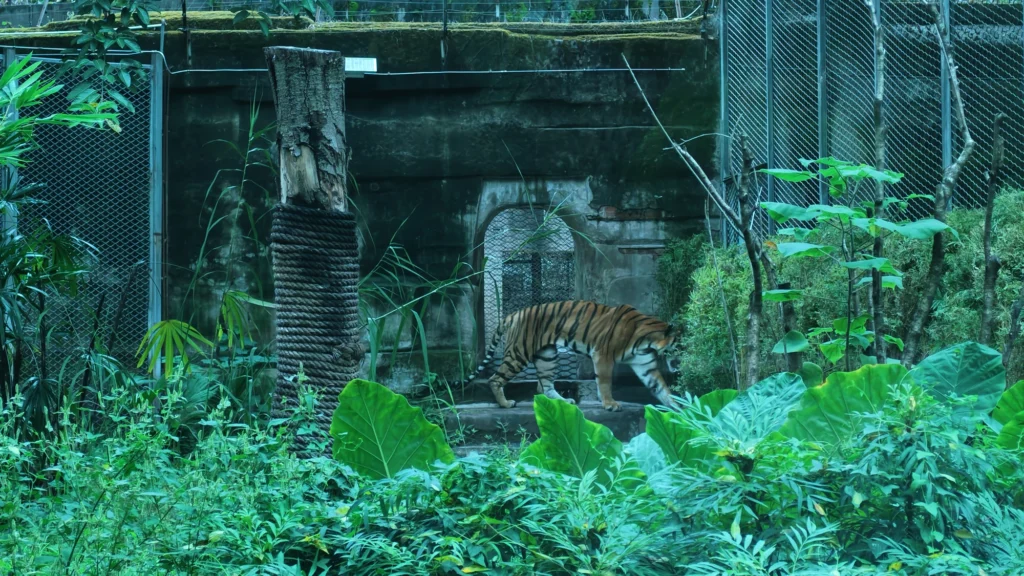
South China tigers are kept nearby. They are a tiger subspecies endemic to China and are now extremely rare, although visually they do not look dramatically different from other tigers.
The rest of the animals did not stand out as much to me. Most can be found in any reasonably large zoo, so I would simply follow the signs and spend time on whichever animals interest you.
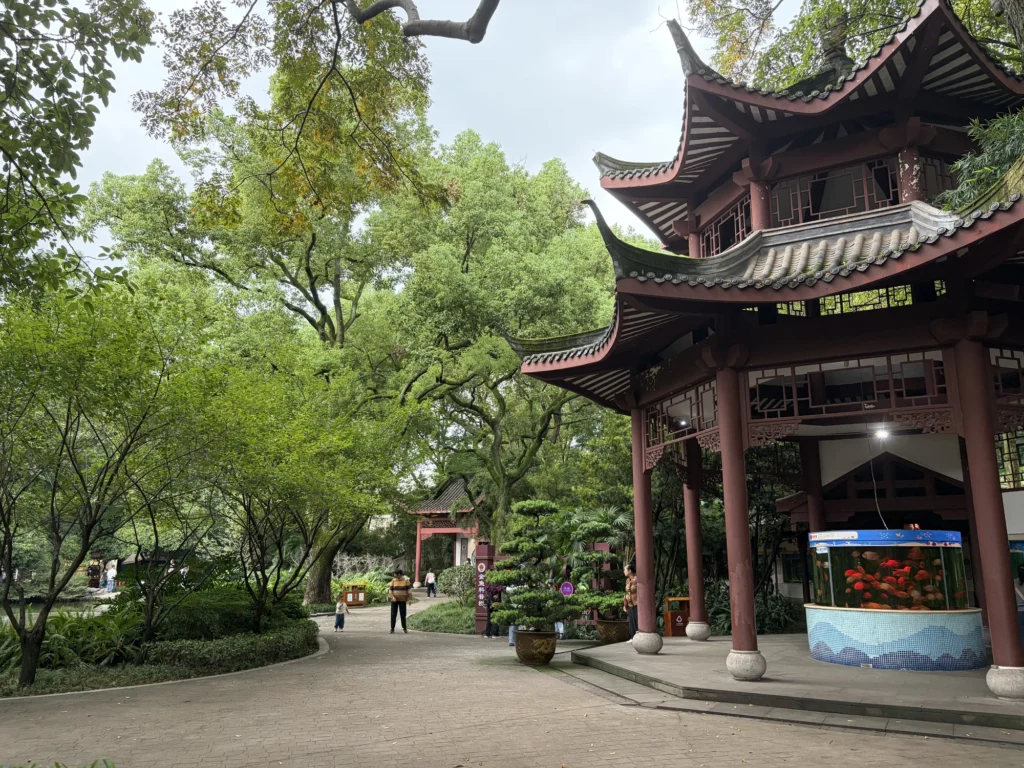
The zoo itself, however, feels very much like a landscaped park. The grounds are large and hilly, with landscaped areas and plenty of places to sit along the way. Even if you were not there to see the animals, you could still spend quite a while walking around the grounds.
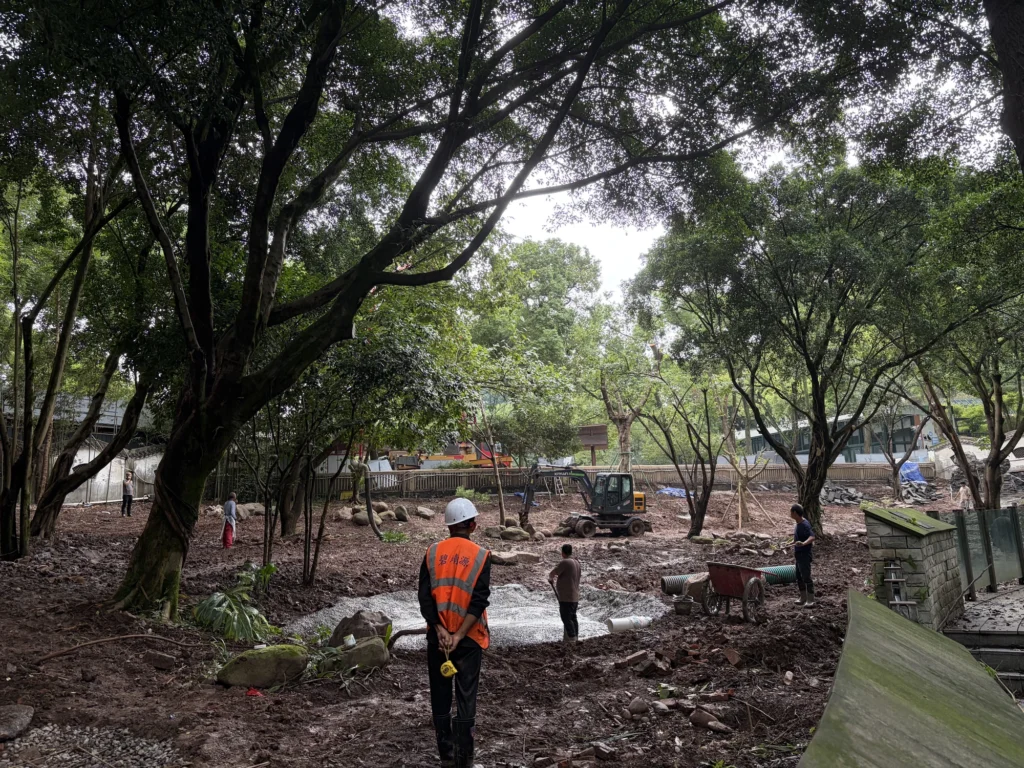
The zoo is also gradually improving its animal enclosures. When I visited, the elephant and bird enclosures were still under construction. From what I saw, it did look as though the zoo was taking visitor feedback seriously.