Guide to Chongqing Three Gorges Museum: Tickets, Getting There and What to See

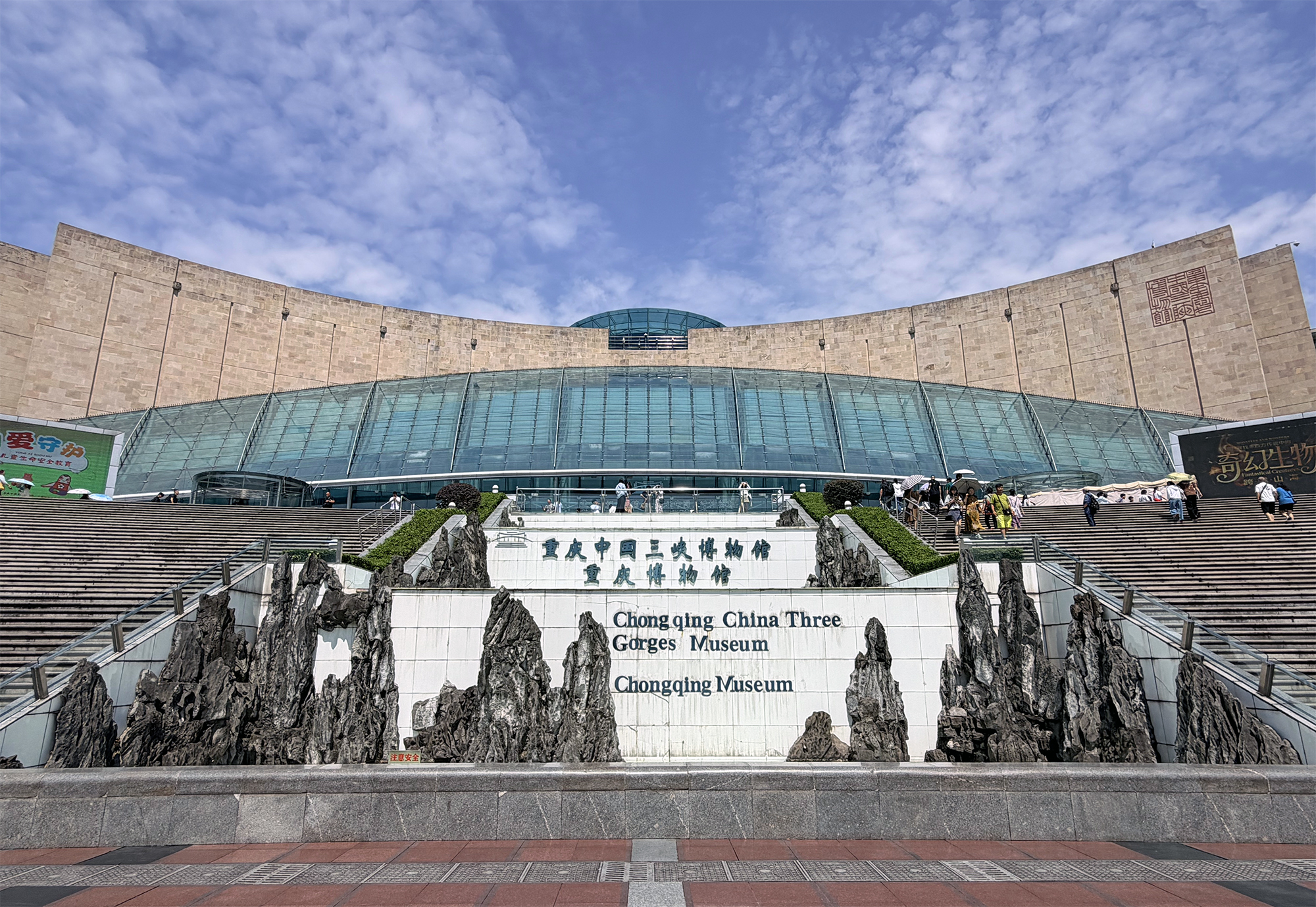
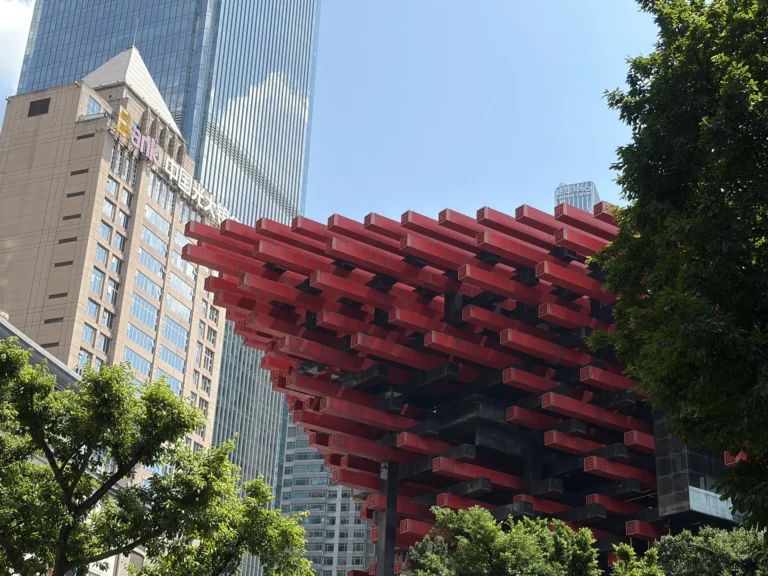
I’ve always been into history and archaeology, so the Three Gorges Museum is one of those places I end up revisiting almost every year. The collection covers a long stretch of Chongqing’s past, from the Stone Age all the way to modern Chongqing.
You’ll find early stone tools, bronzes and weapons from the Warring States period, Han dynasty sculpture, and coins from past dynasties. There are also cliff carvings, stone inscriptions, displays on Chongqing’s WWII history, and sections on how the city has changed over time.
If you want to add some historical context to your Chongqing trip, I’d set aside about 2 to 3 hours here.
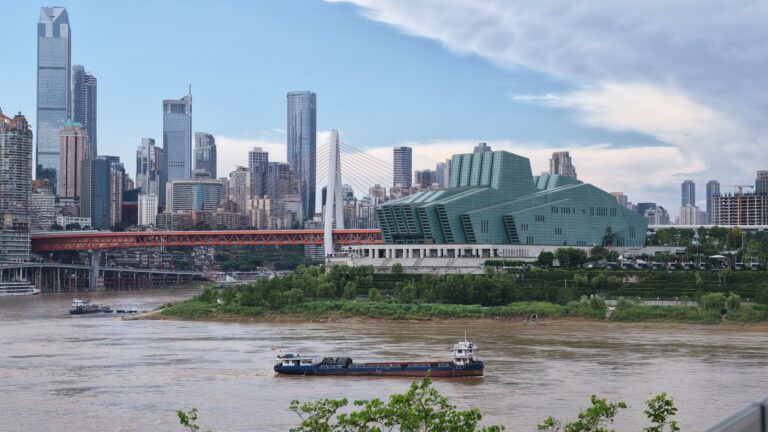
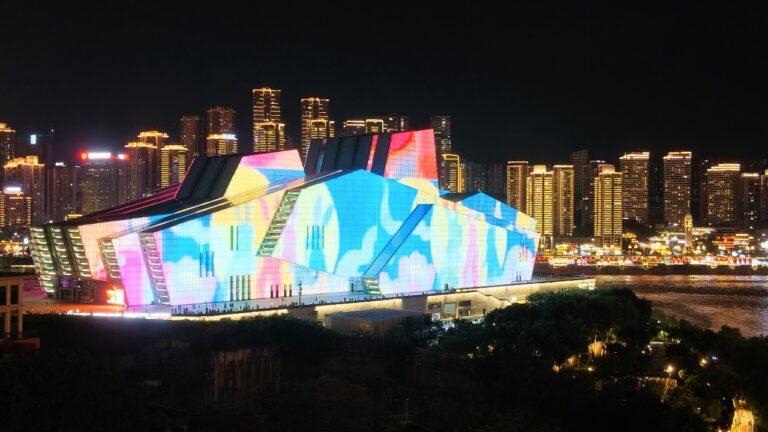
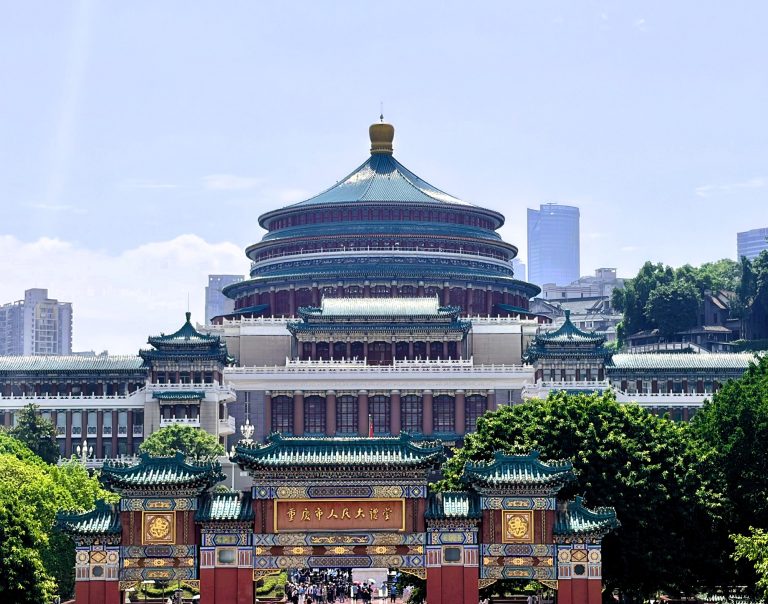
Right across the plaza is the People’s Auditorium of Chongqing, often nicknamed Chongqing’s Little Temple of Heaven. It’s one of the city’s most recognizable landmarks, so it makes sense to visit it together with the museum.
Getting there
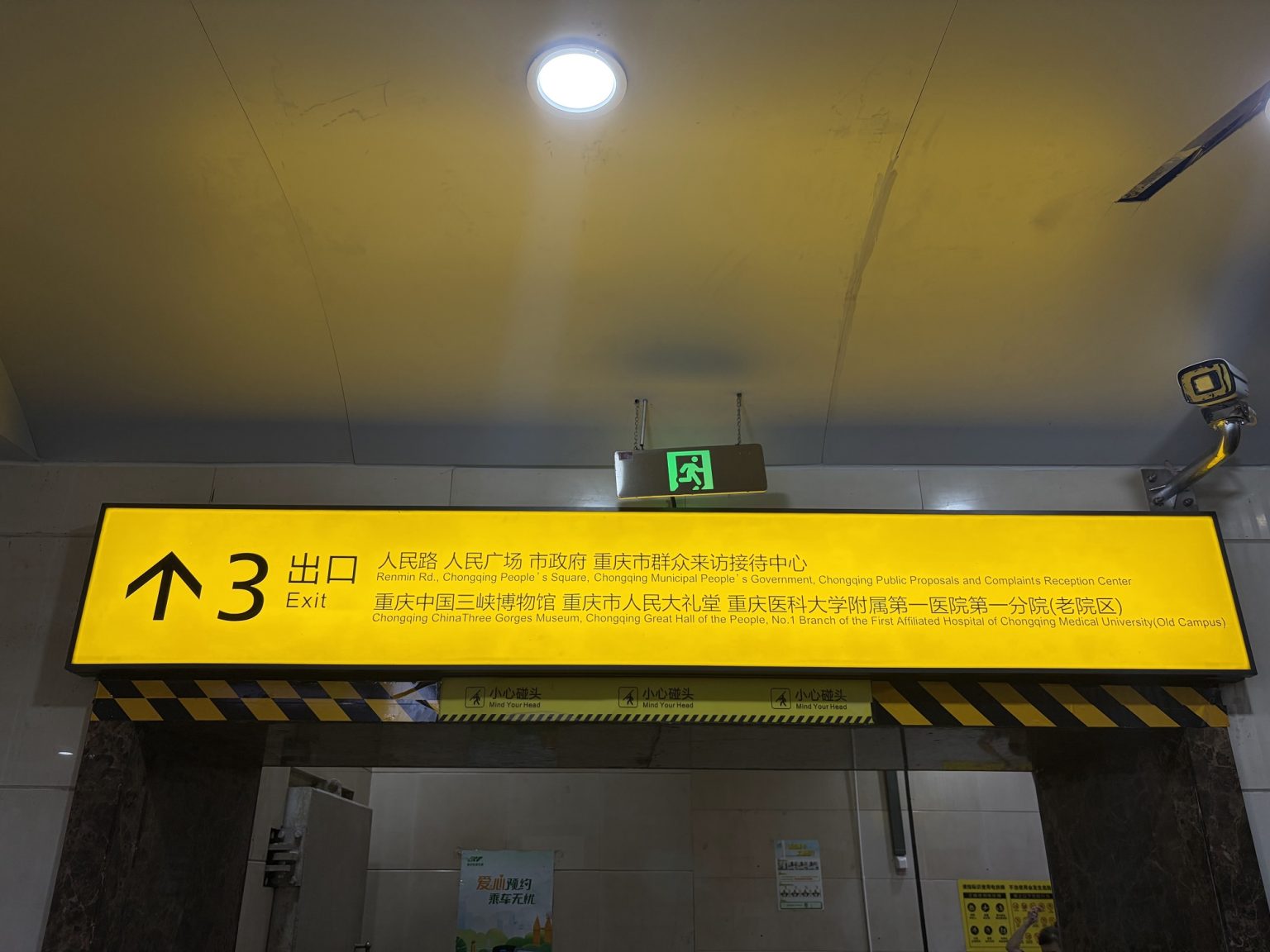
This time, I started from Central Park and took Metro Line 10 to Zengjiayan Station. From Exit 3, it’s about a 400-meter walk to the Three Gorges Museum.
Zengjiayan is a transfer station for Lines 2 and 10, so if you’re staying around Jiefangbei, Jiaochangkou, or Liziba, Line 2 is another easy way to get here.
Admission & Hours
Hours: Tuesday to Sunday, 9:00 am to 5:00 pm (last entry at 4:30 pm). Closed on Mondays, although it usually stays open during public holidays.
Admission: Free, and no advance booking is required. But you do need to bring a valid ID. Passports, Mainland Chinese ID cards, Hong Kong and Macau travel permits, and Taiwan Compatriot Permits are all accepted.
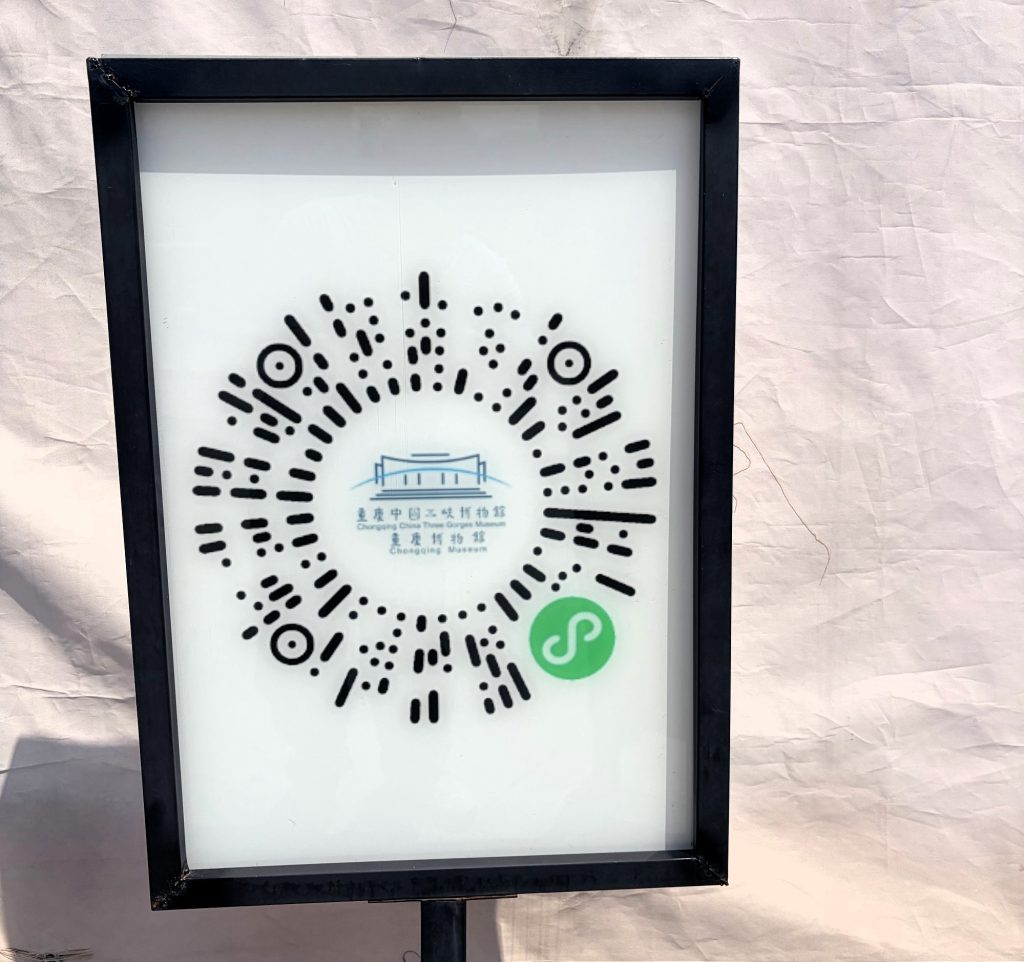
If you forget to bring your ID, you can register through the official WeChat account of Chongqing China Three Gorges Museum and enter with the QR code it generates. You can also scan the QR code below to open the official WeChat account and register there.
How to visit
The Three Gorges Museum has four floors, with eight permanent exhibition halls and four temporary ones. If it’s your first time here, don’t try to see everything in one go.
My suggested route is to start on the first floor with The Majestic Three Gorges. After that, head up to the third floor for Chinese Currency of Past Dynasties, Years of the War of Resistance Against Japan, and Sculpture in Bashu During the Han Dynasty.
If you still have time after that, you can spend it on the other halls.
The Majestic Three Gorges
This is the MVP for me. Of the museum’s ten major treasures, six are right here in this hall.
The hall doesn’t focus on just one type of object. Instead, it walks you through the history of the Three Gorges region in chronological order, linking together stone tools, pottery, bronzes, cliff carvings, stone inscriptions, and exhibits on the conservation of Three Gorges artifacts.
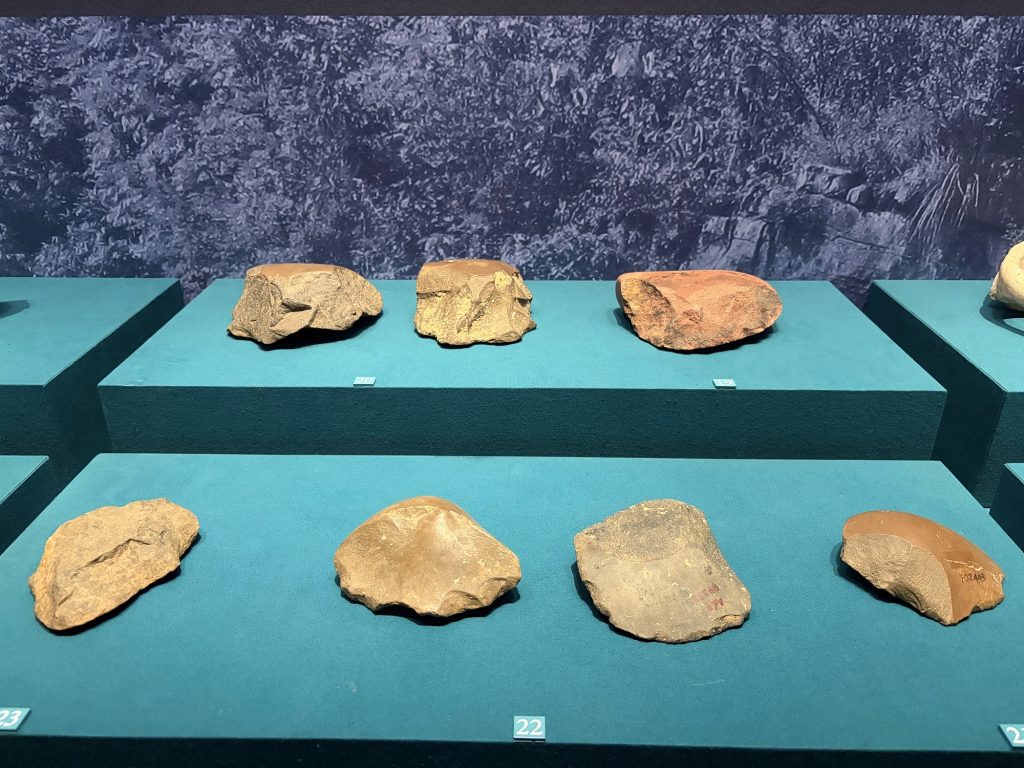
The earliest pieces here are Paleolithic chopper tools, dating from roughly 3 million to 200,000 years ago. They are flaked stone tools, showing that early humans were already deliberately choosing suitable stones, knapping sharp edges, and turning natural rocks into tools for chopping and pounding.
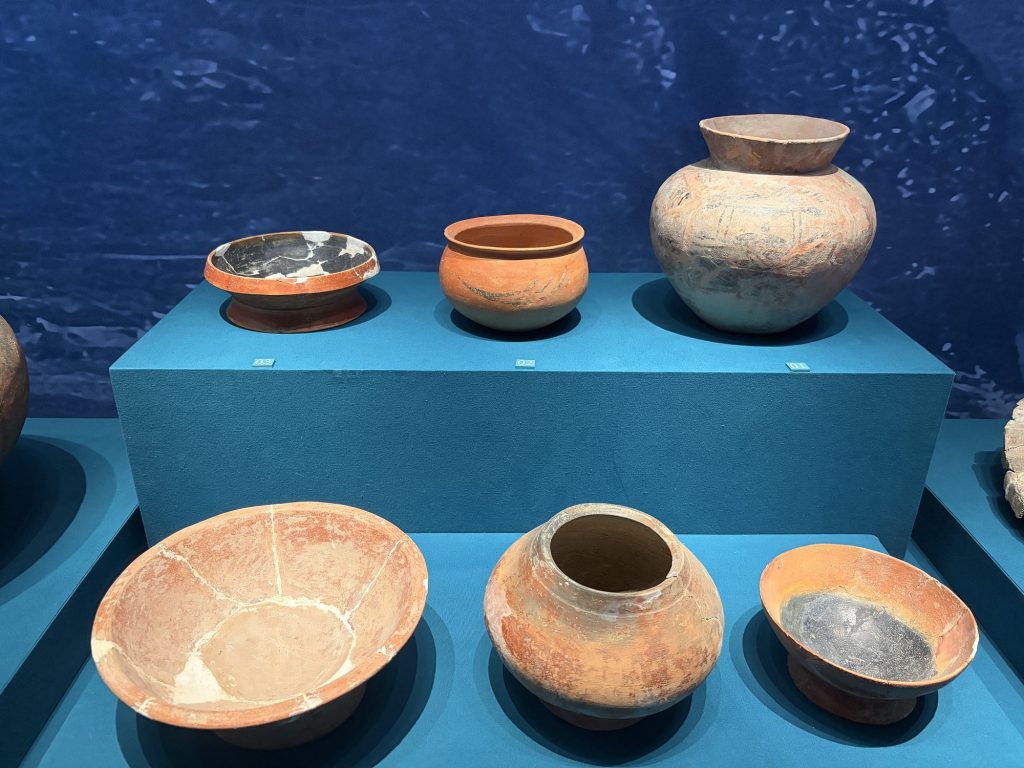
Further along the timeline, you reach the Neolithic period, roughly 6,300 to 5,300 years ago. Pottery had started to become part of everyday life, and stone tools such as axes and chisels were more carefully shaped than the Paleolithic chopper tools before them.
By this point, you can see a clear shift. Human activity was no longer just about finding raw materials, making simple tools, and using them. It was moving toward more settled patterns of production and daily life.
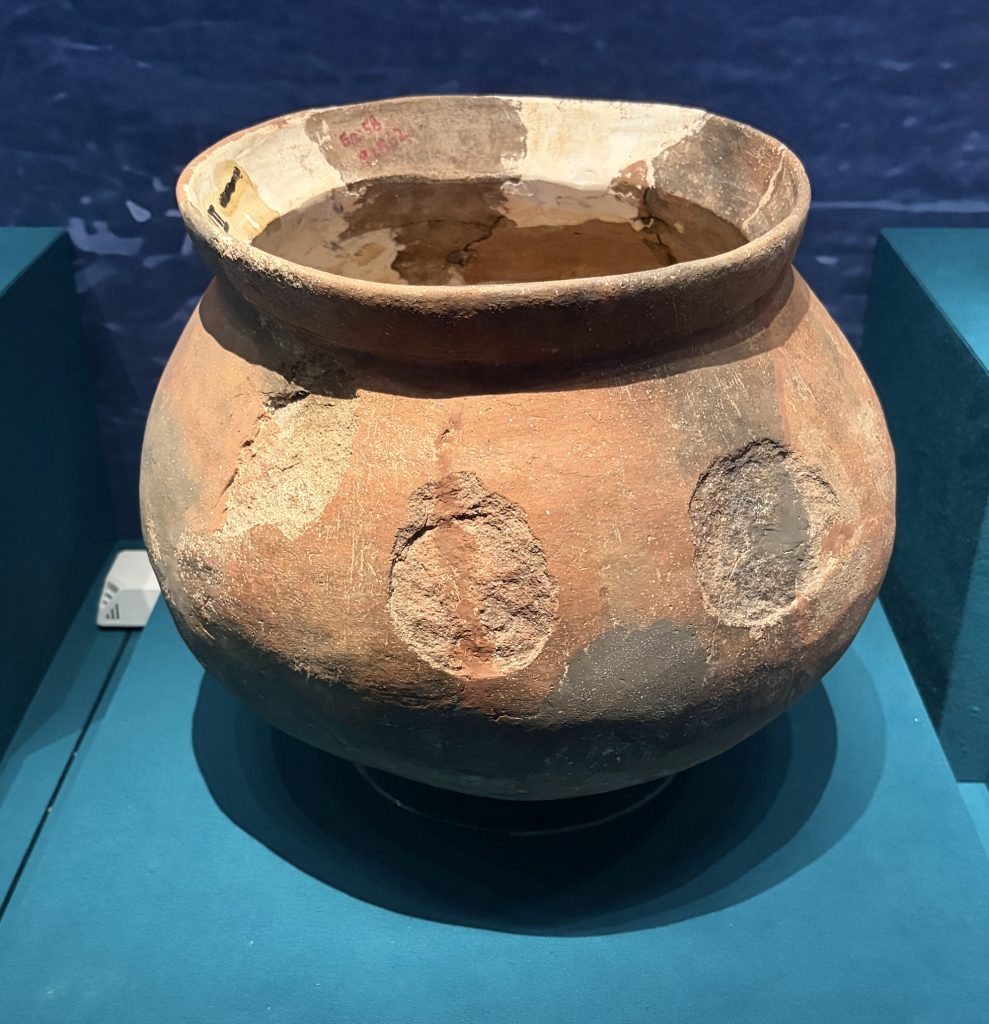
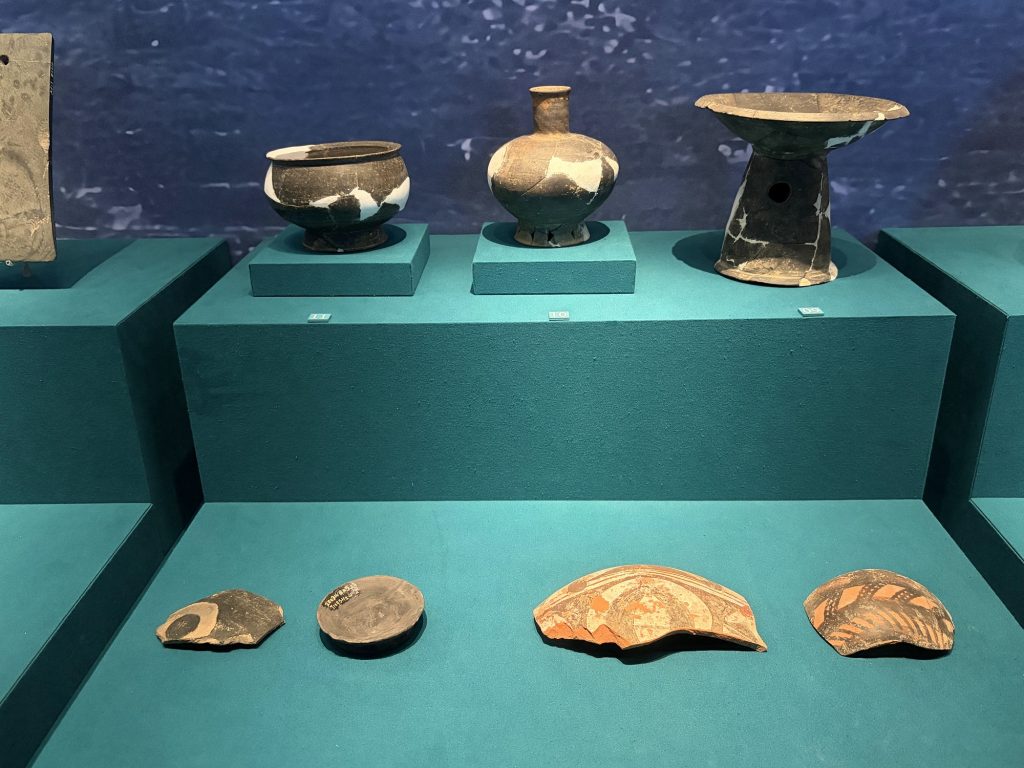
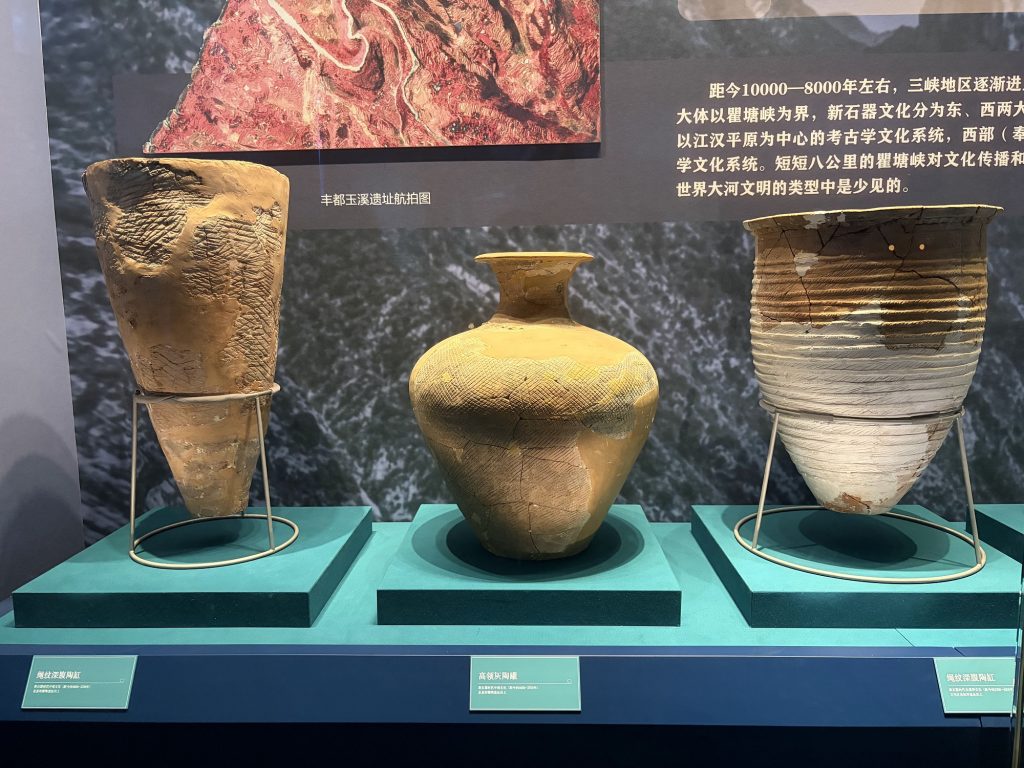
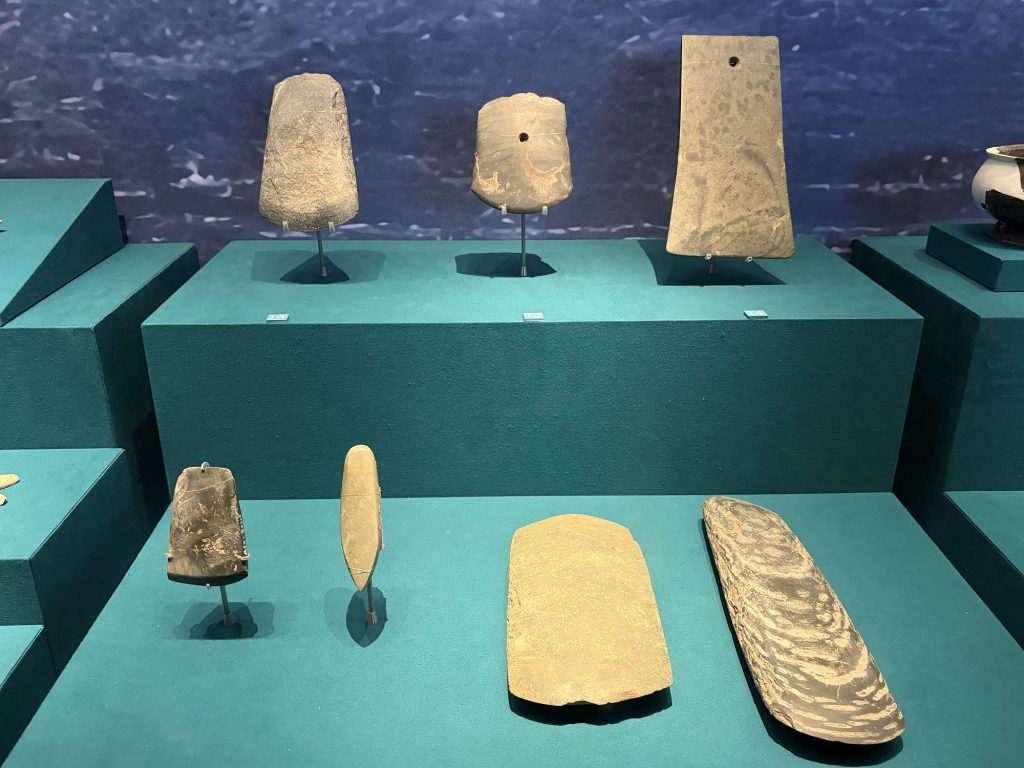
Personal ornaments also appear from this period, suggesting that people were beginning to look beyond purely practical needs and pay attention to decoration, aesthetics, and social identity.
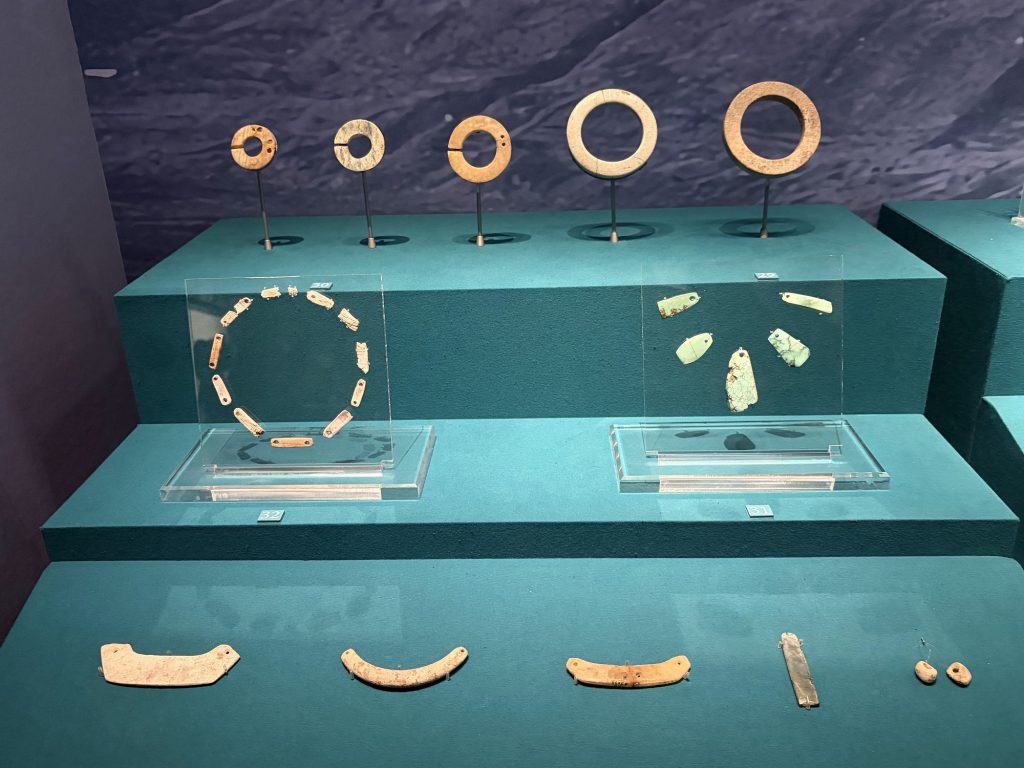
Moving into the Warring States period, from 475 to 221 BCE, the exhibits take a noticeable turn.
The weapons point to a period marked by frequent warfare and defense.
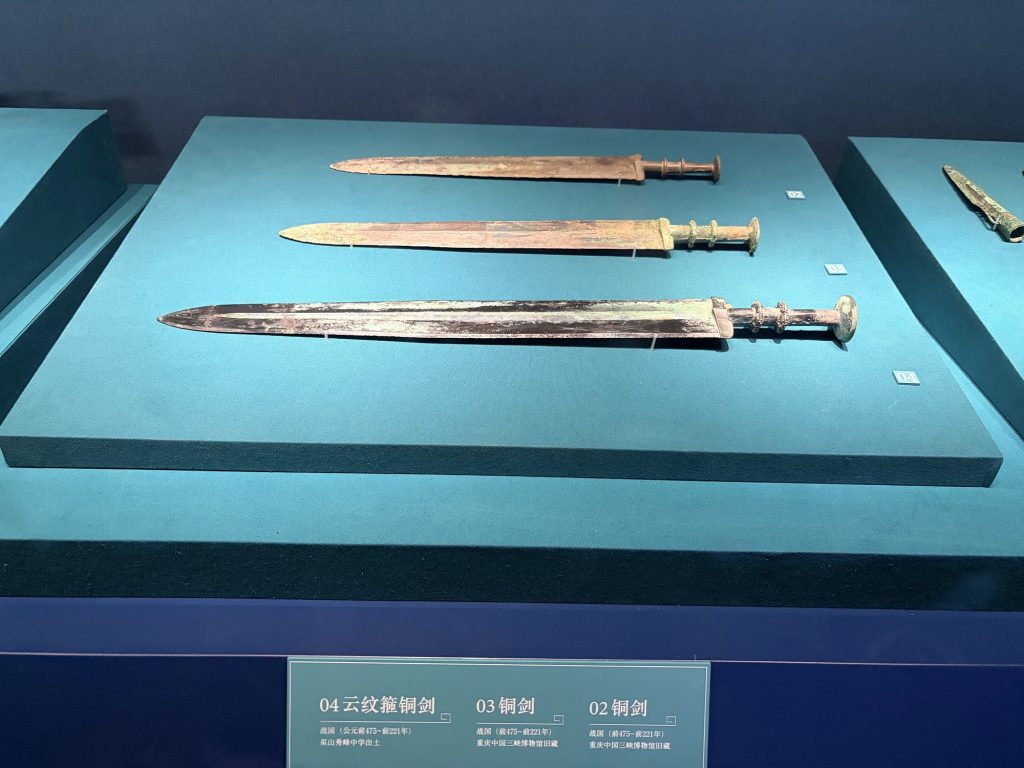
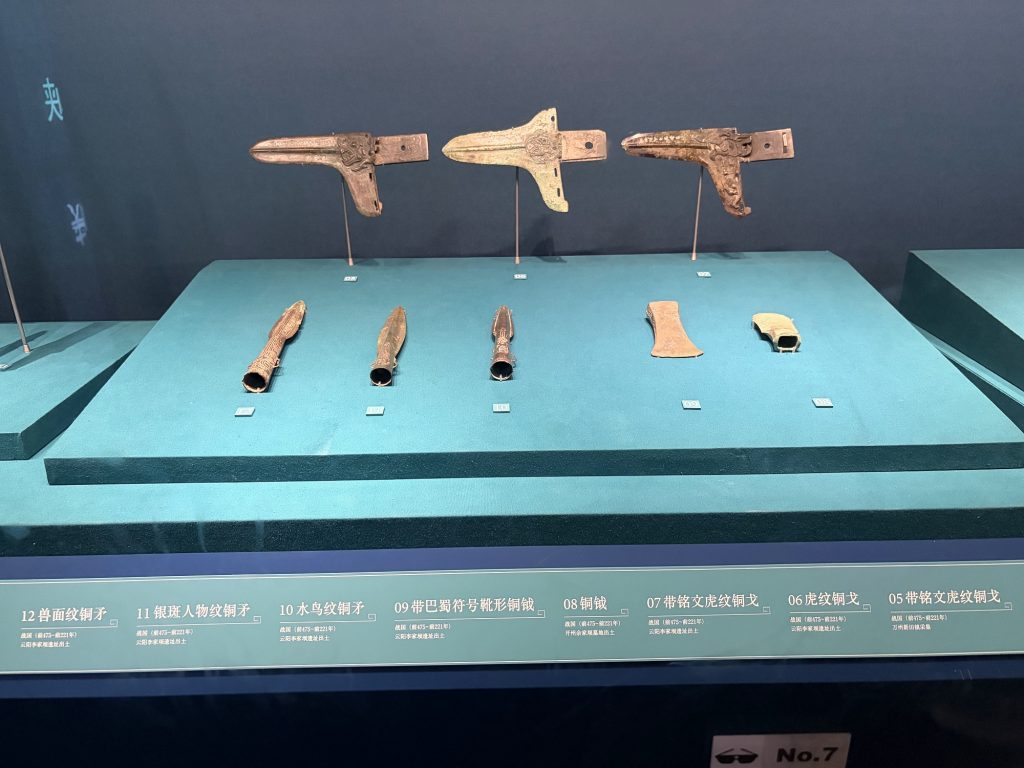
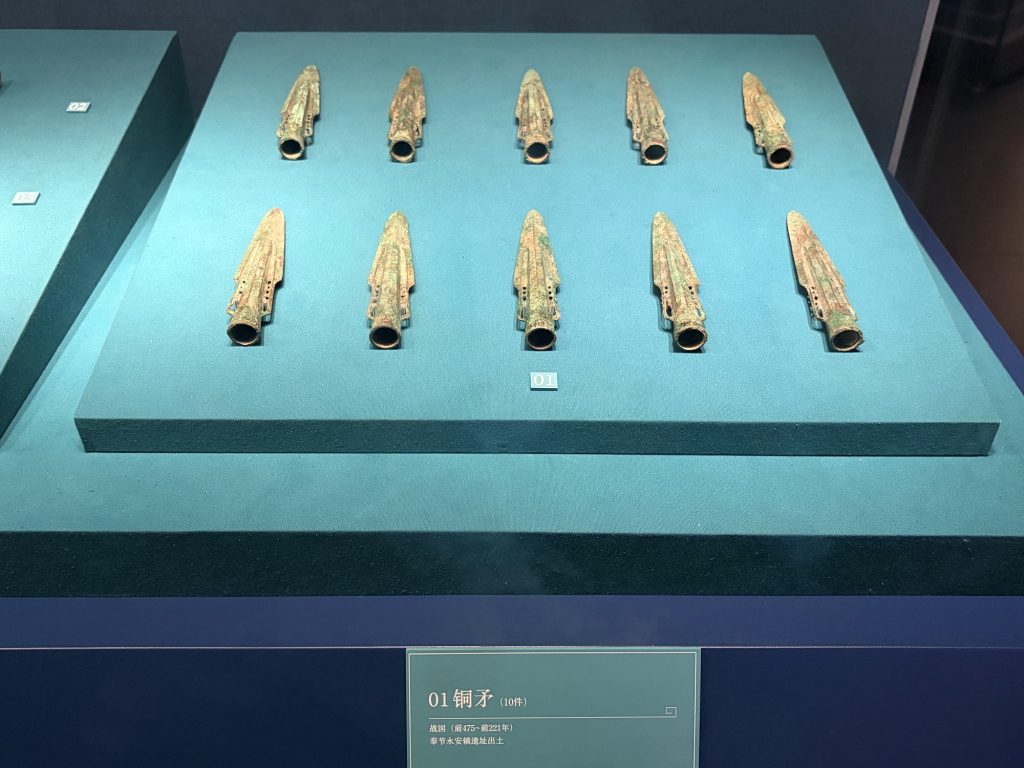
The bronzes, chime bells, and jade ornaments show another side of the same world: ritual, music, status, and hierarchy.
By this point, you can see how much more complex society had become.
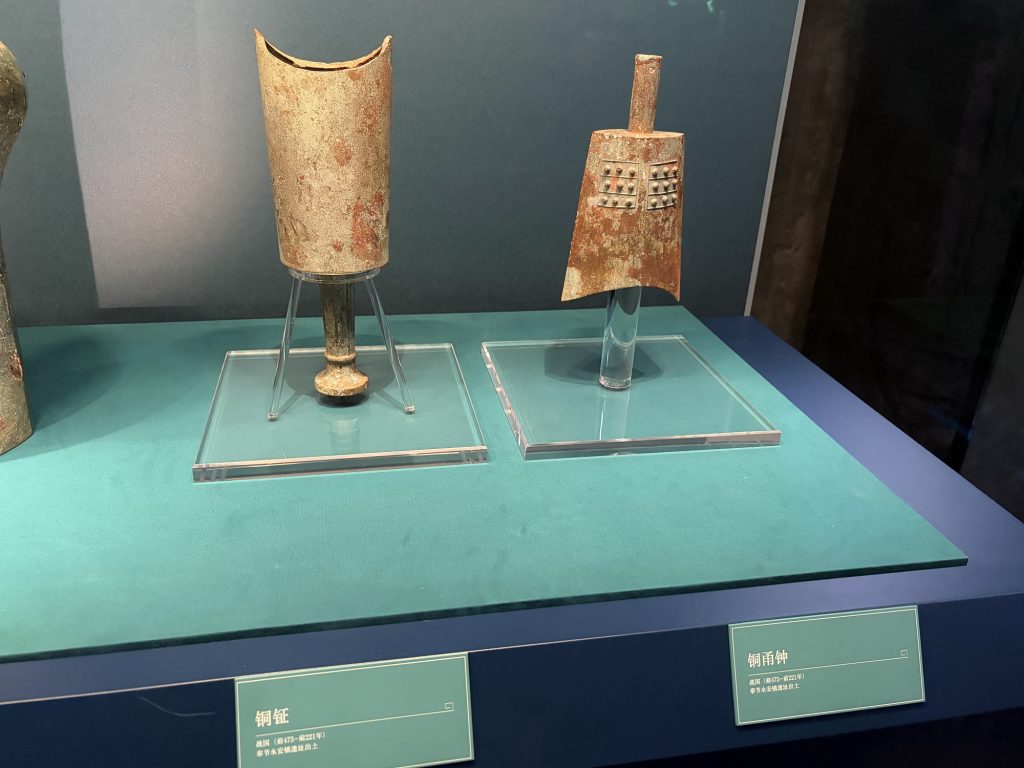
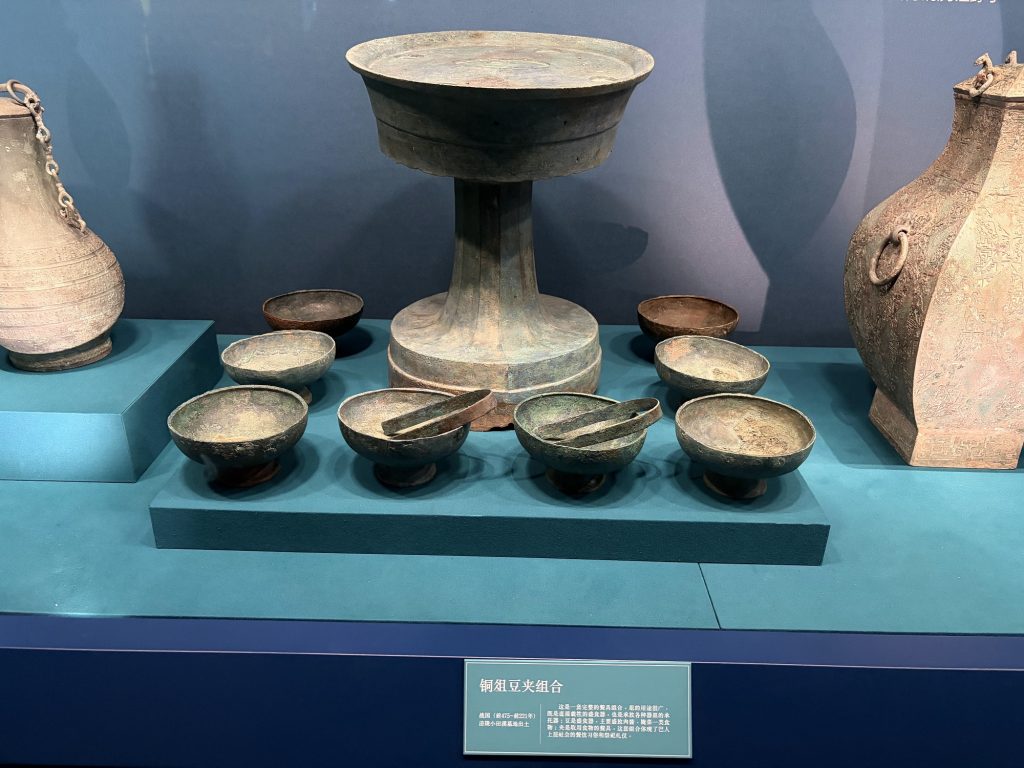
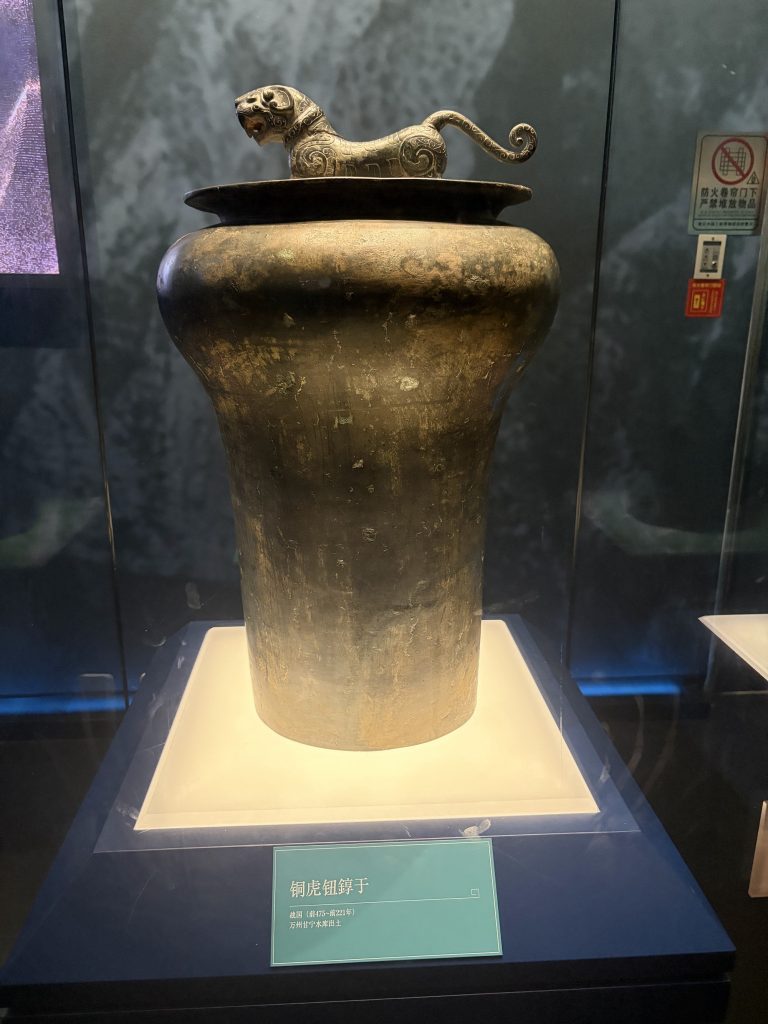
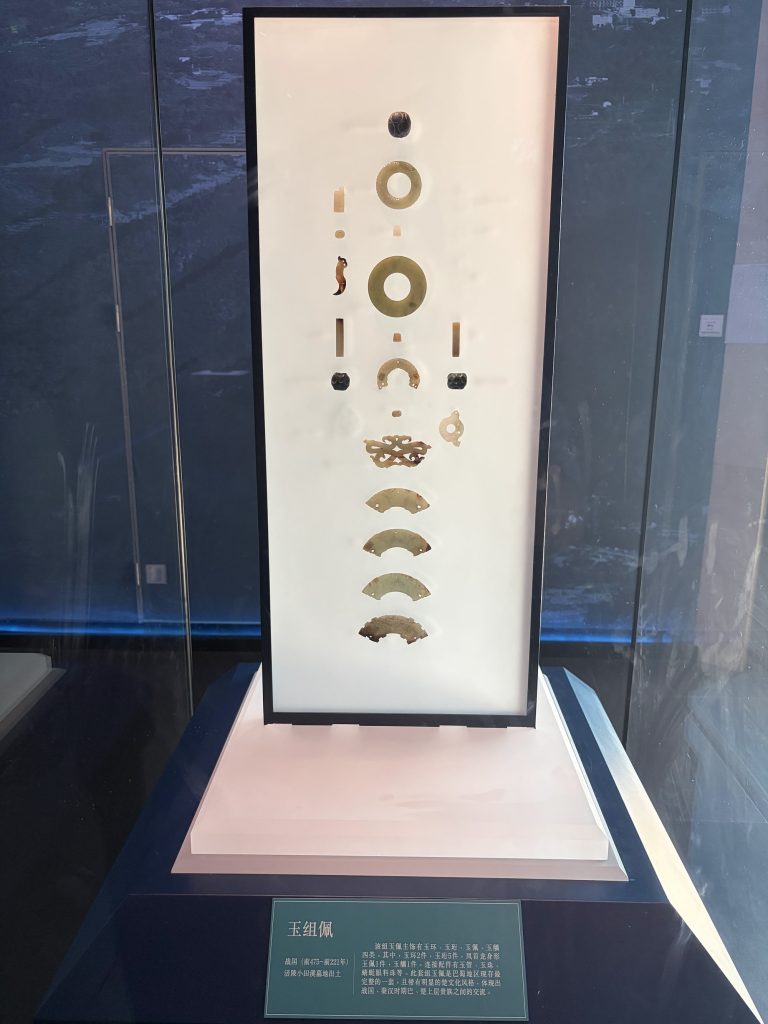
After the Warring States period, the displays become a little less dense than in the earlier sections. The second half of the hall is mainly made up of Han dynasty bronze horses, figurines, and wine vessels, Tang dynasty rock-cut figures, Song dynasty cliff inscriptions, Qing dynasty armor, and exhibits related to the Baiheliang inscriptions.
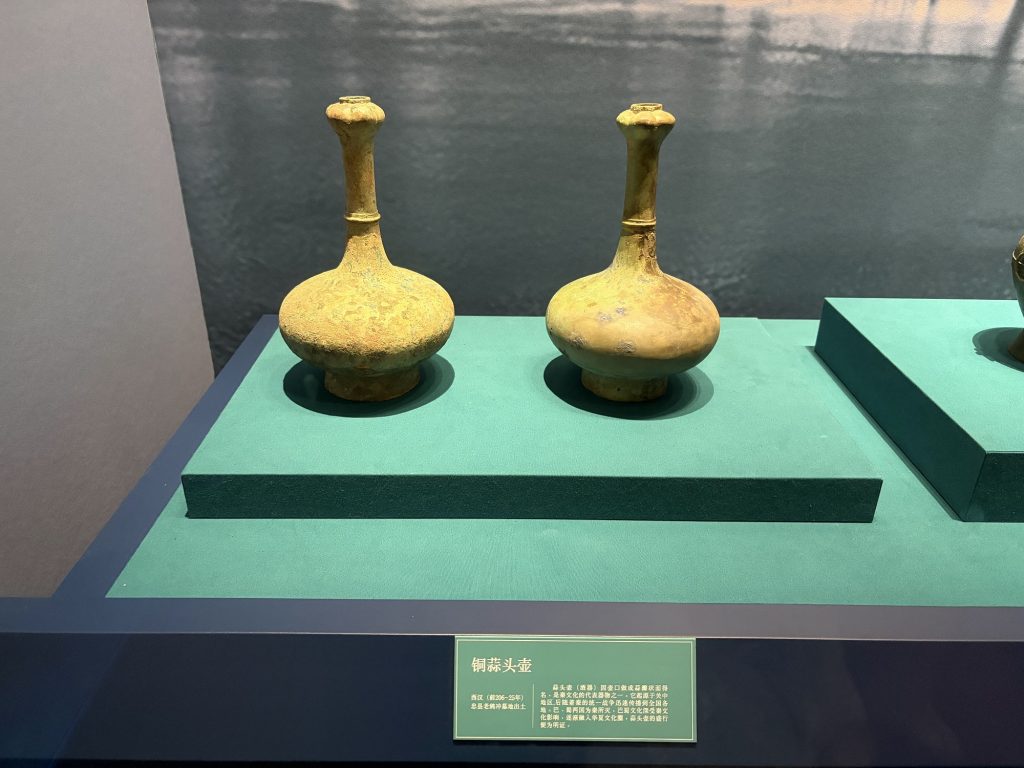
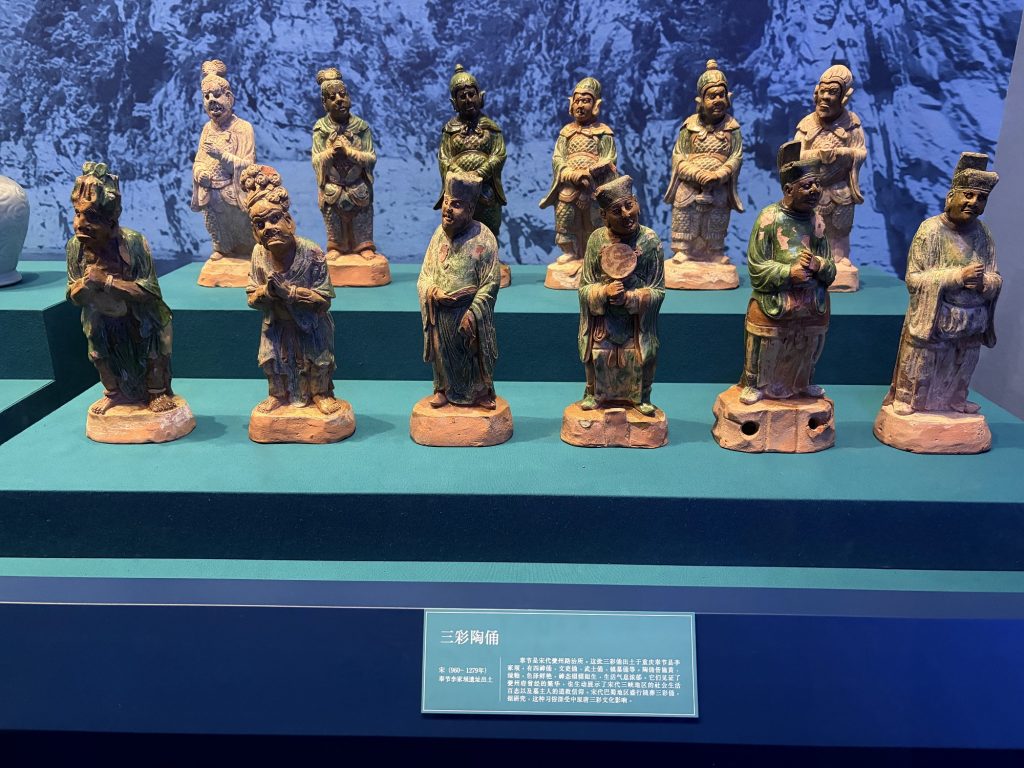
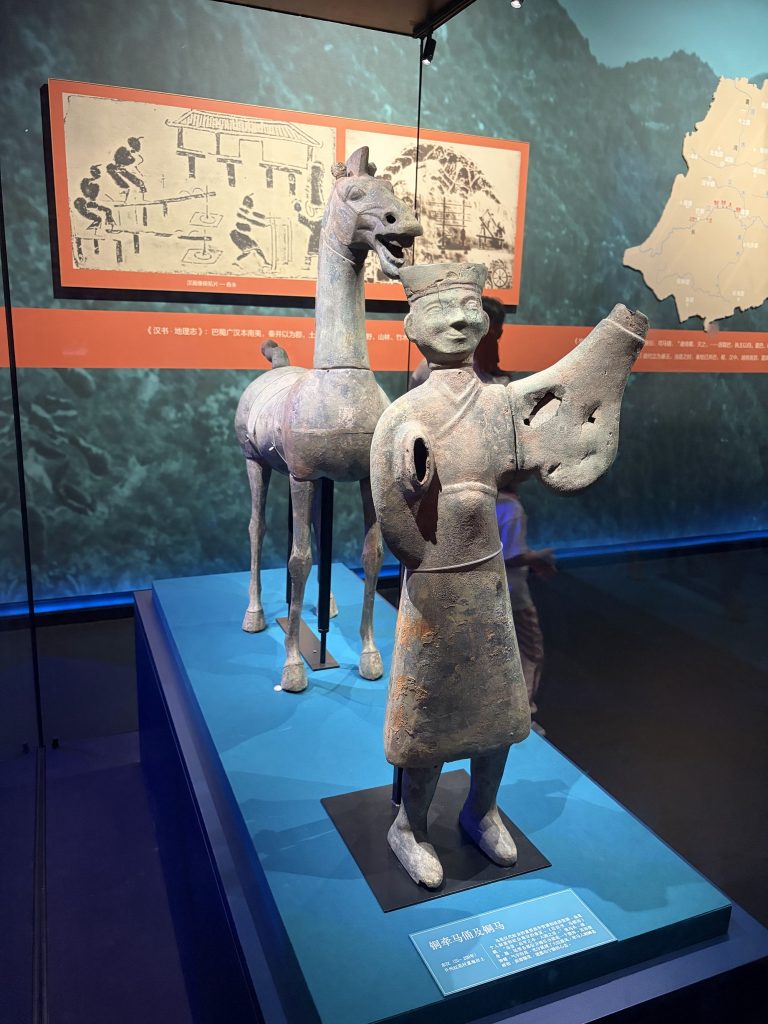
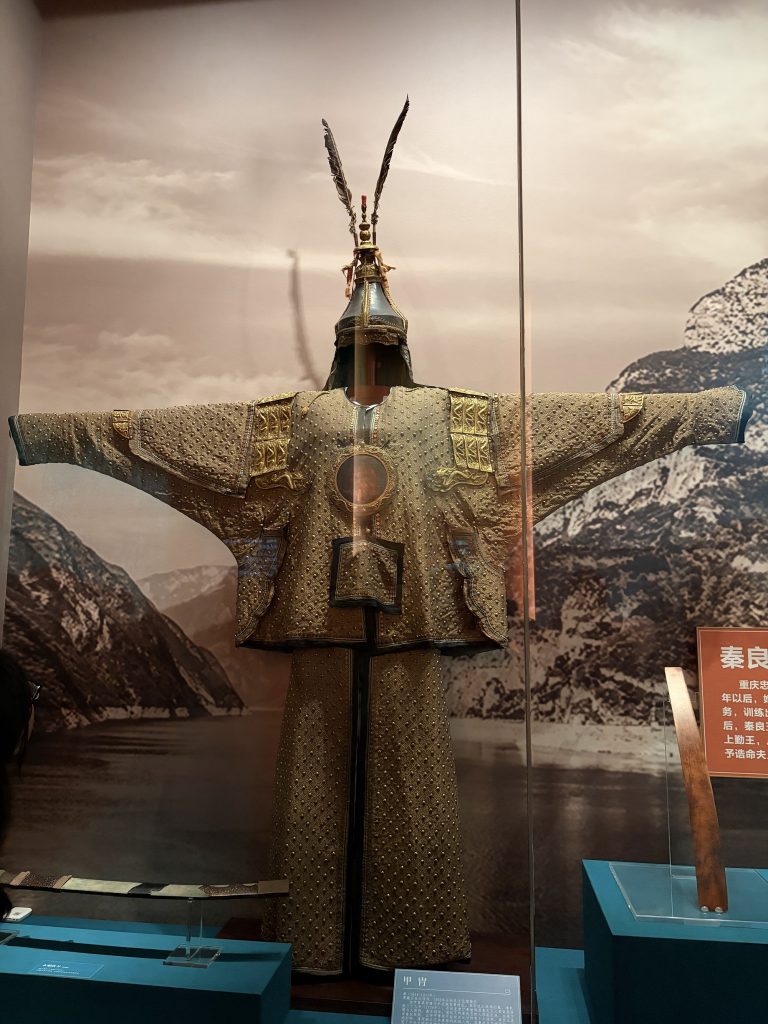
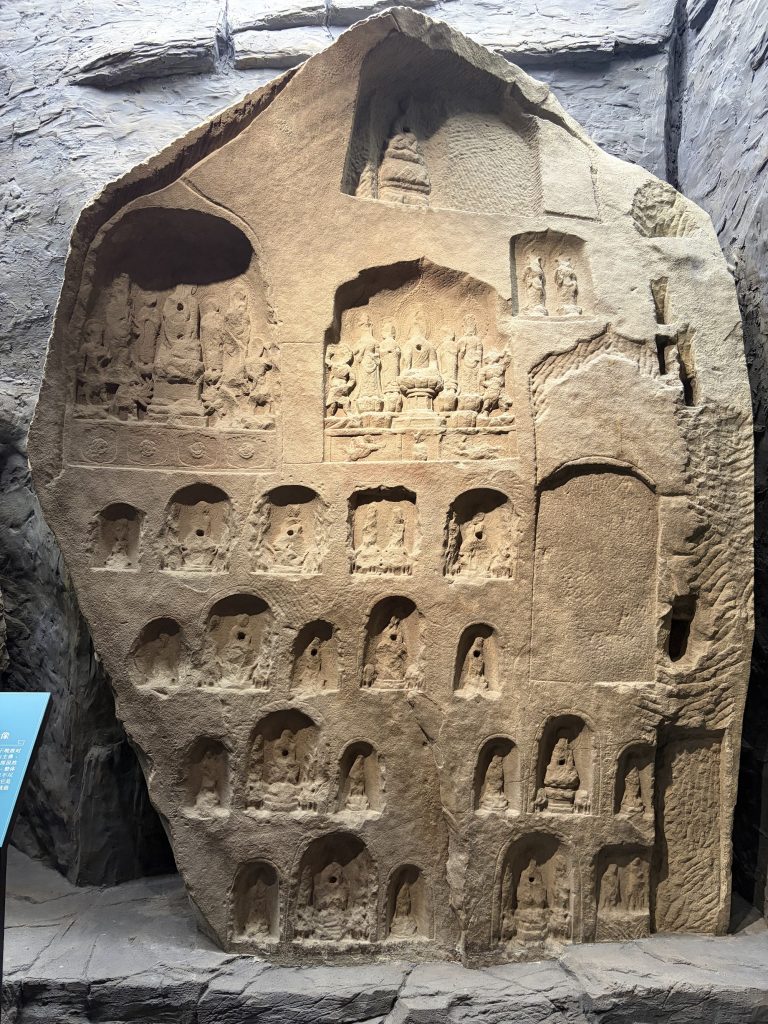
For me, the most interesting part here is the Song dynasty cliff inscription. Measuring 4.1 meters high and 7.2 meters wide, it was originally carved into a cliff wall around Qutang Gorge.
The inscription commemorates the handover of the throne between two Song emperors: Emperor Gaozong of the Southern Song, Zhao Gou, passed the throne to Emperor Xiaozong, Zhao Shen.
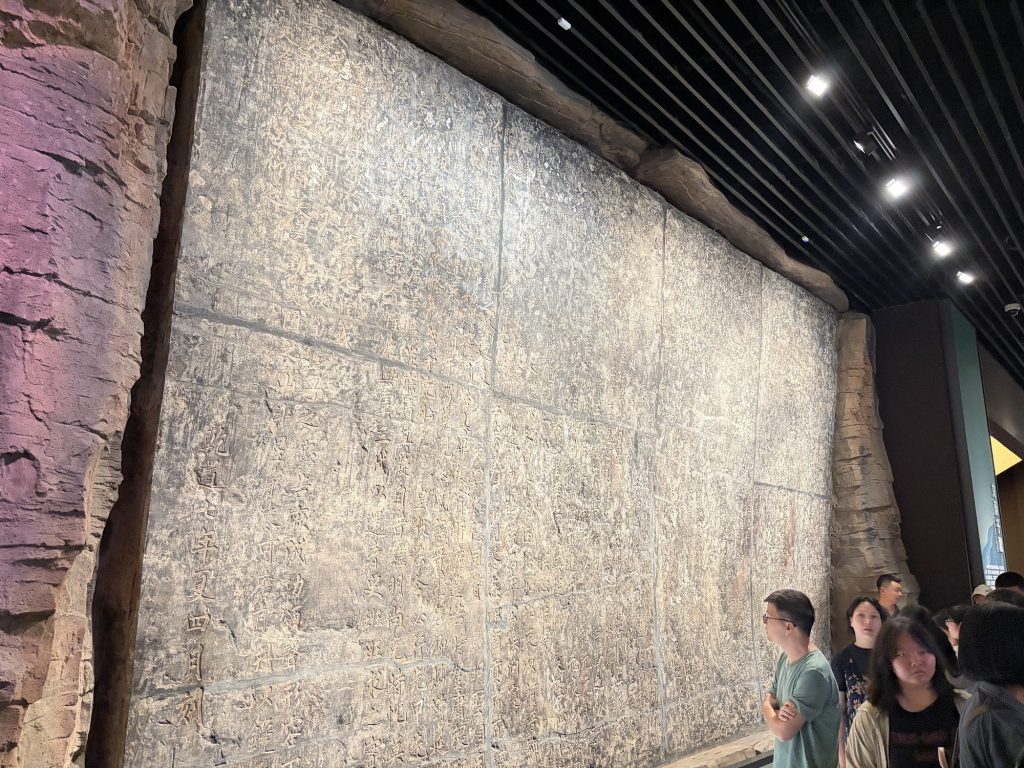
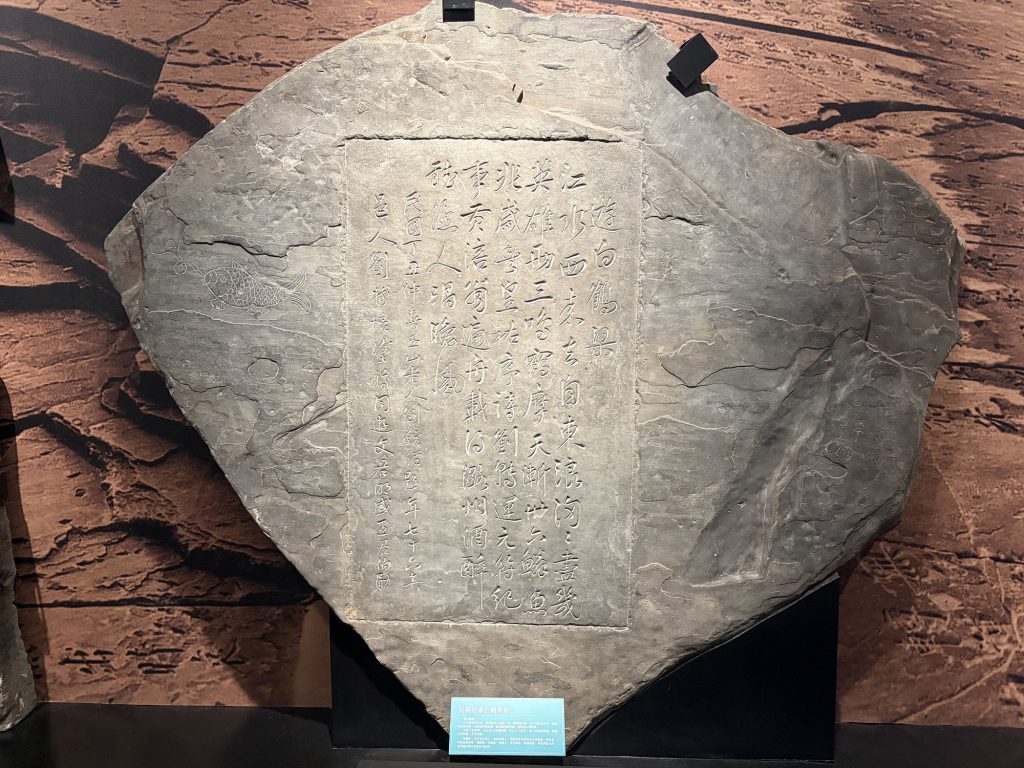
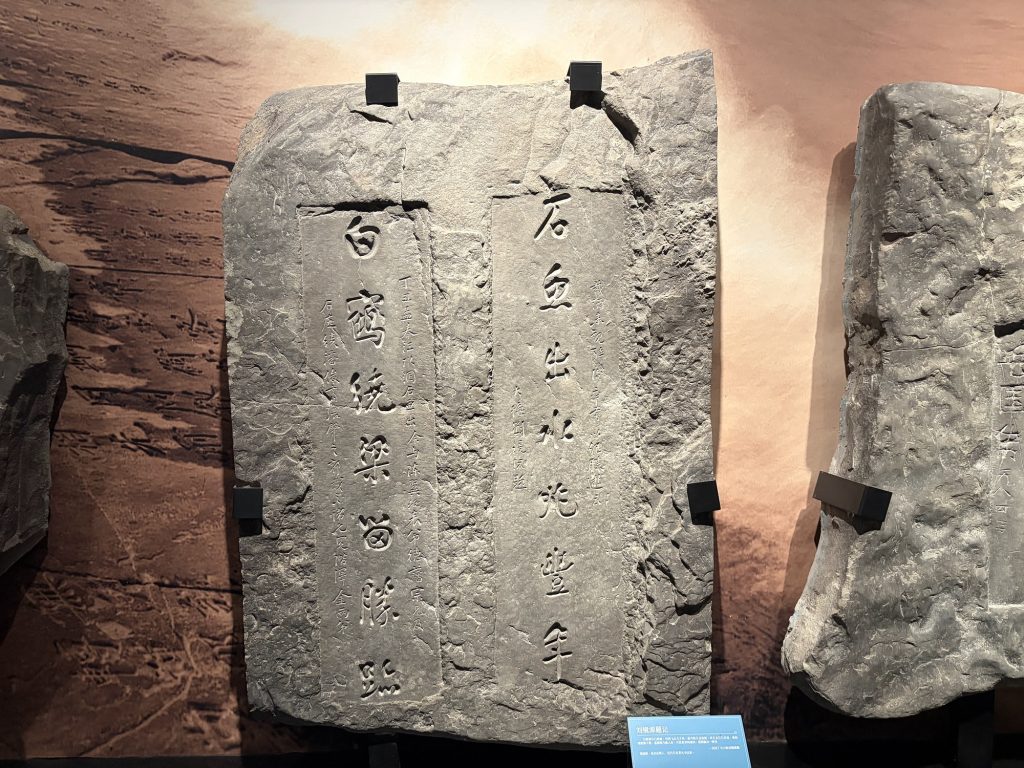
If you are interested in Yangtze River hydrology, or if you plan to visit the Baiheliang Underwater Museum, this section is also worth a closer look. You can see inscribed stones that were cut from the original Baiheliang site and moved into the museum.
The value of these inscriptions is not just in the poetry and calligraphy. Some of them also record historical changes in the water level along the Fuling section of the Yangtze River. That is why Baiheliang is often called “the world’s first ancient hydrological station.”
Chongqing: City Evolution
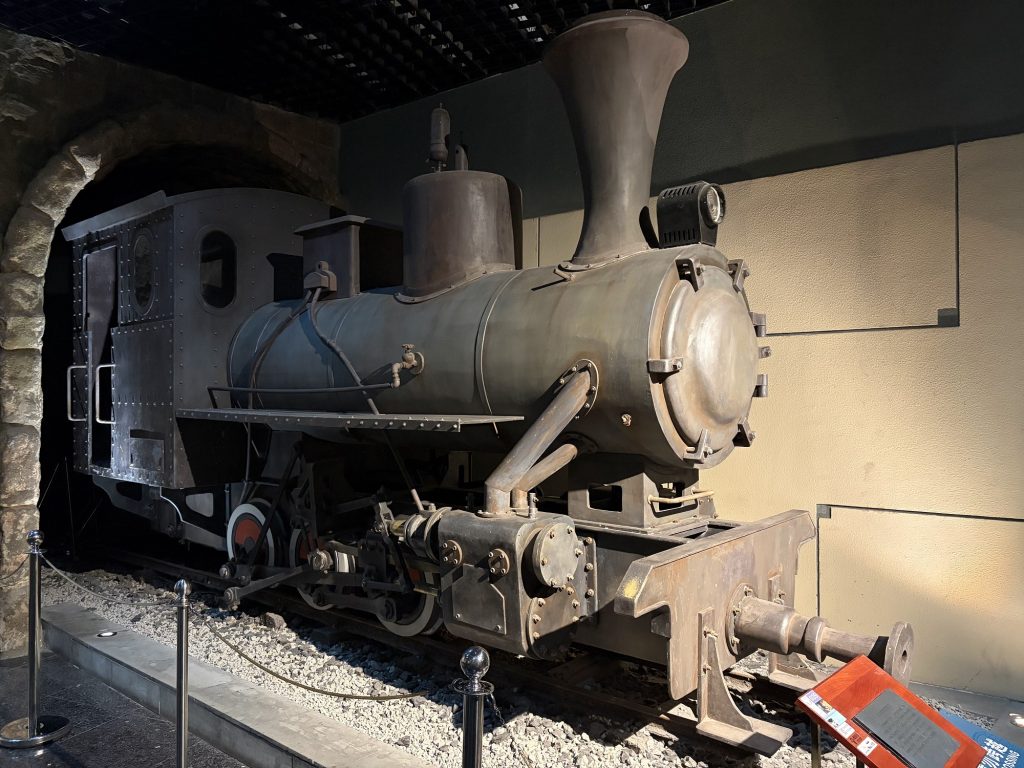
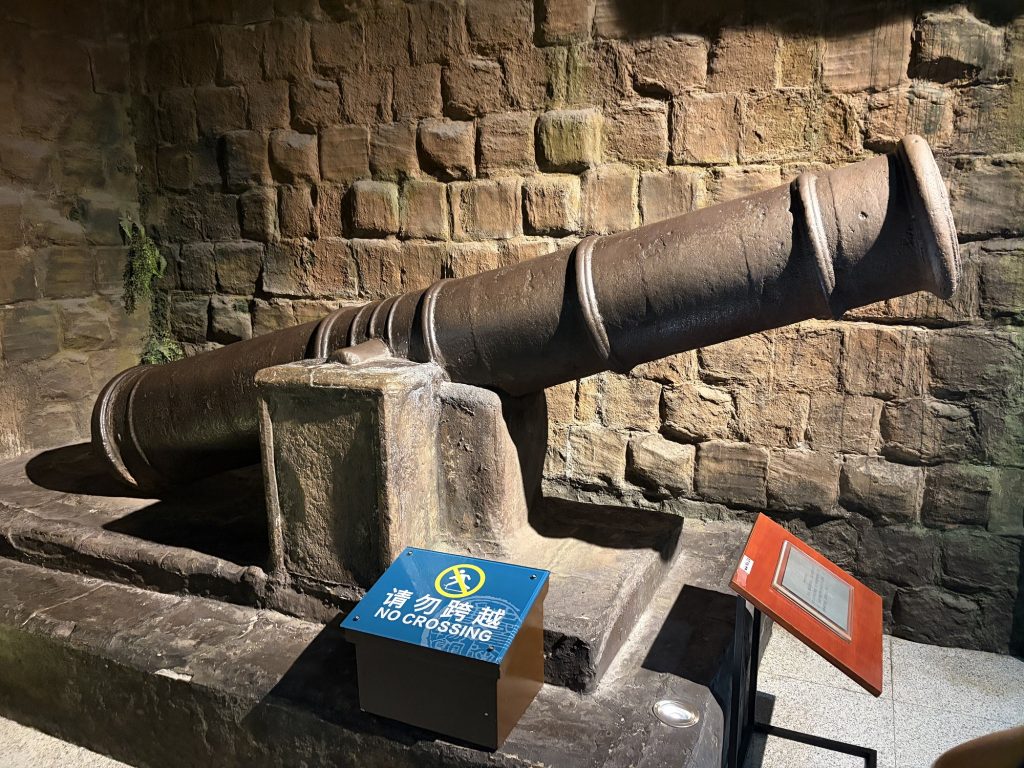
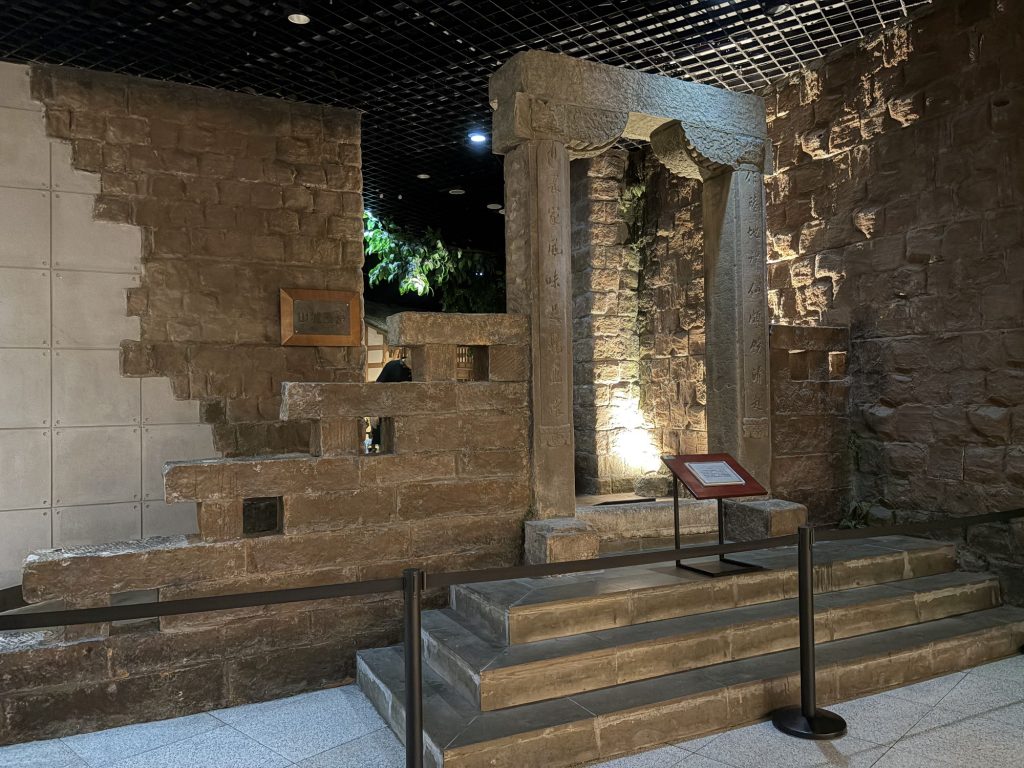
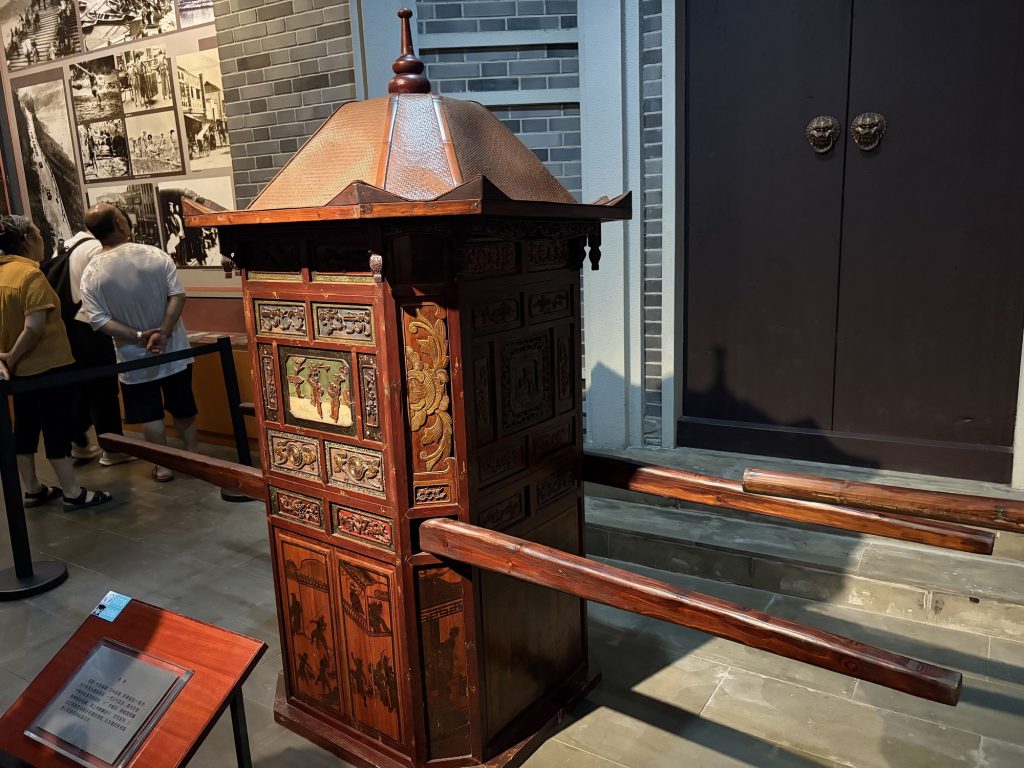
This hall is for anyone who wants to understand how Chongqing changed in modern times. It covers the city’s opening to foreign trade, urban development, industrial growth, and everyday street life.
Personally, I don’t think this is one of the highlights of the museum. You don’t need to spend too long here. A quick look around in about 10 to 15 minutes is enough.
Years of the War of Resistance Against Japan
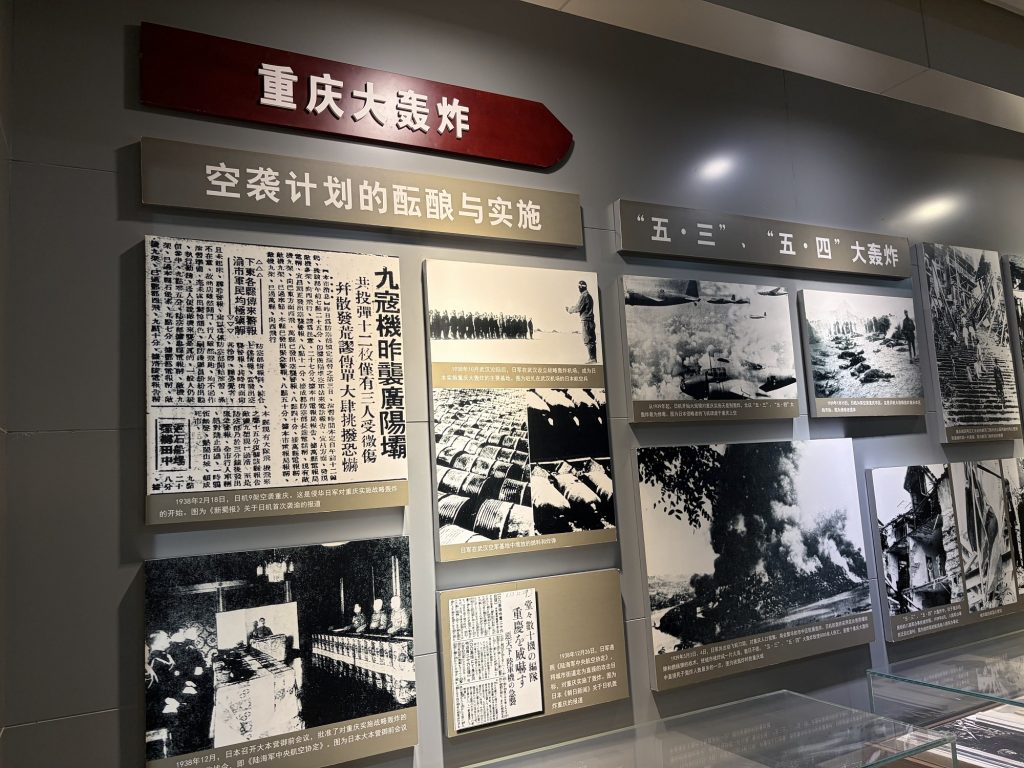
This hall is heavier than the others. But if you want to understand why Chongqing played such an important role during the War of Resistance Against Japan, it is worth spending more time here.
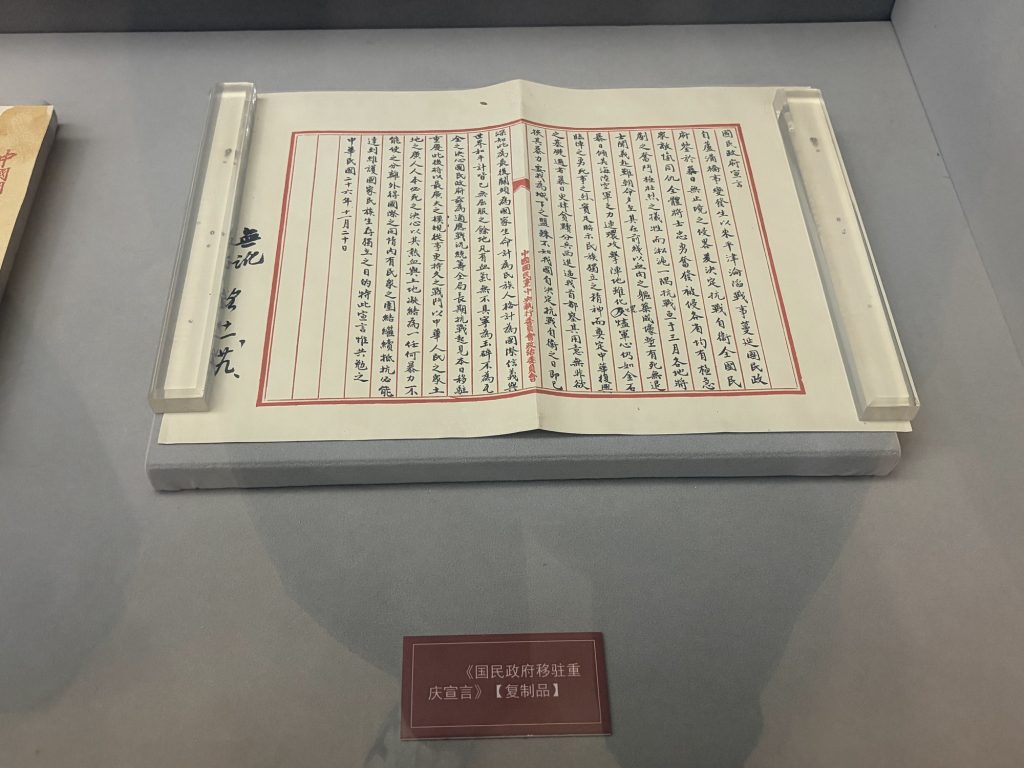
During the war, Chongqing served as China’s wartime capital. The exhibition tells that story through books, archival documents, Red Army items, records from the National Government’s move to Chongqing, captured Japanese military gear, and military armbands.
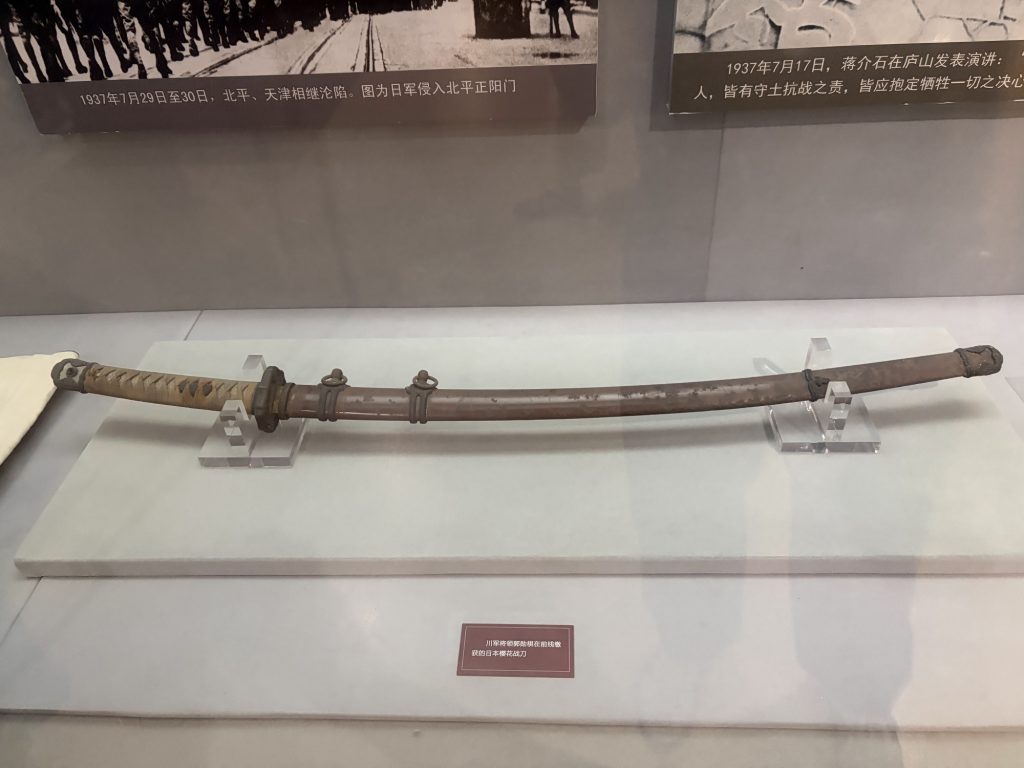
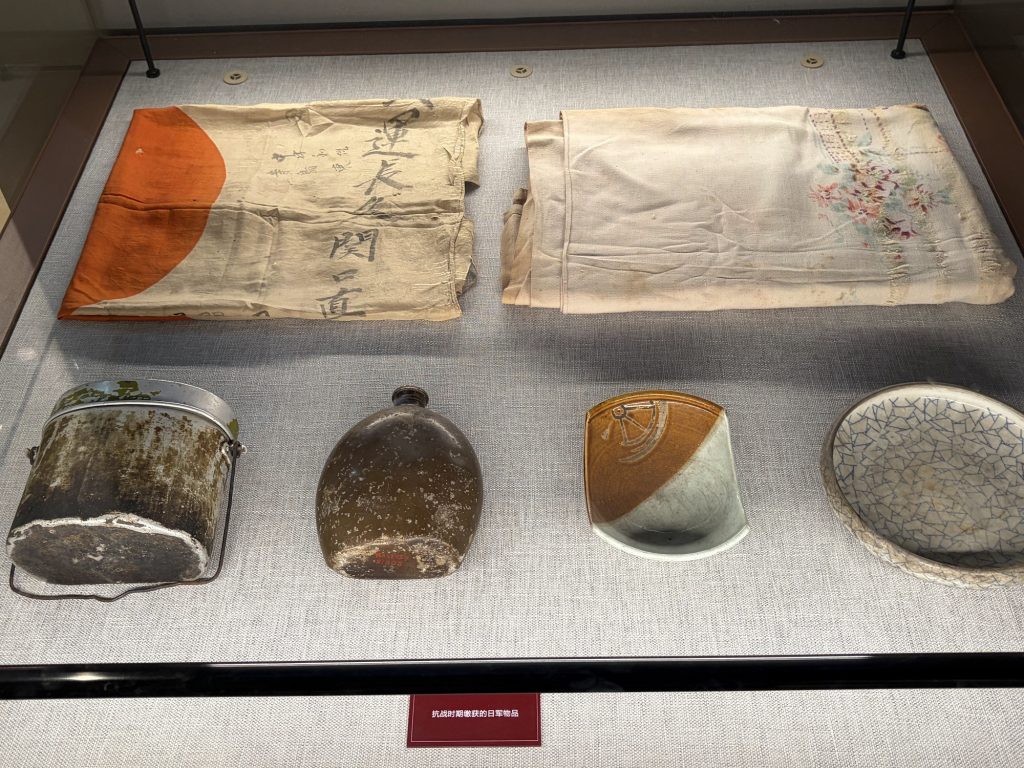
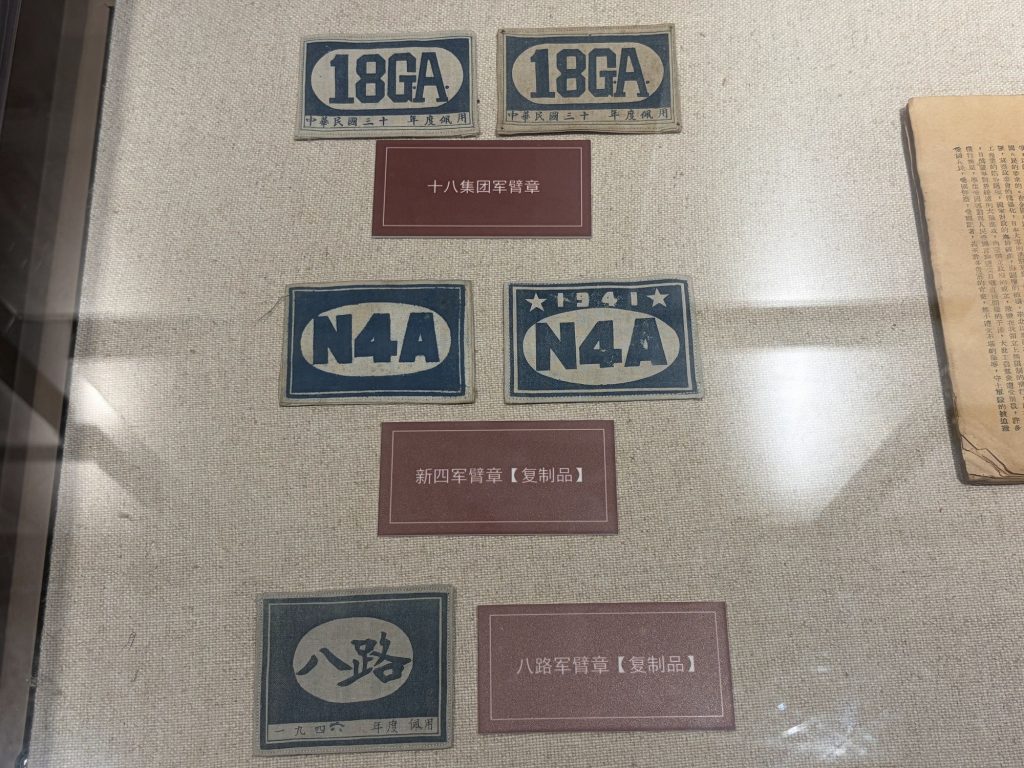
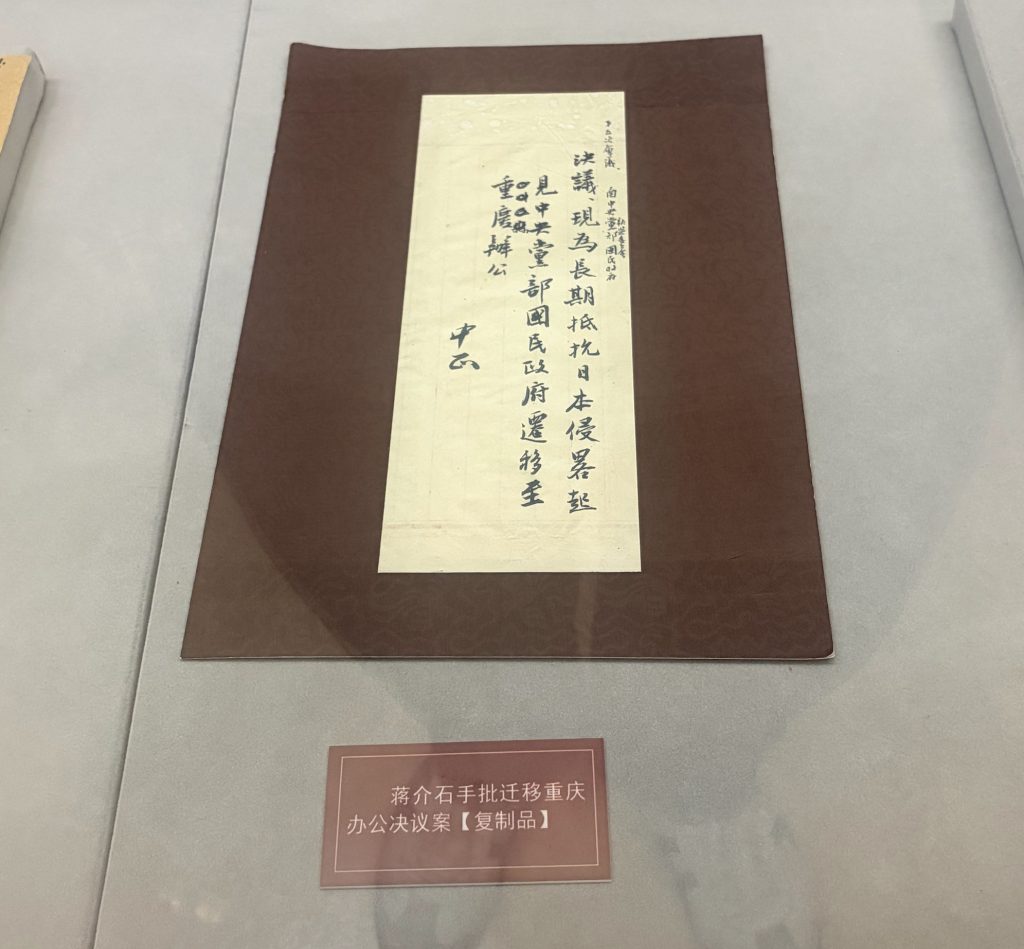
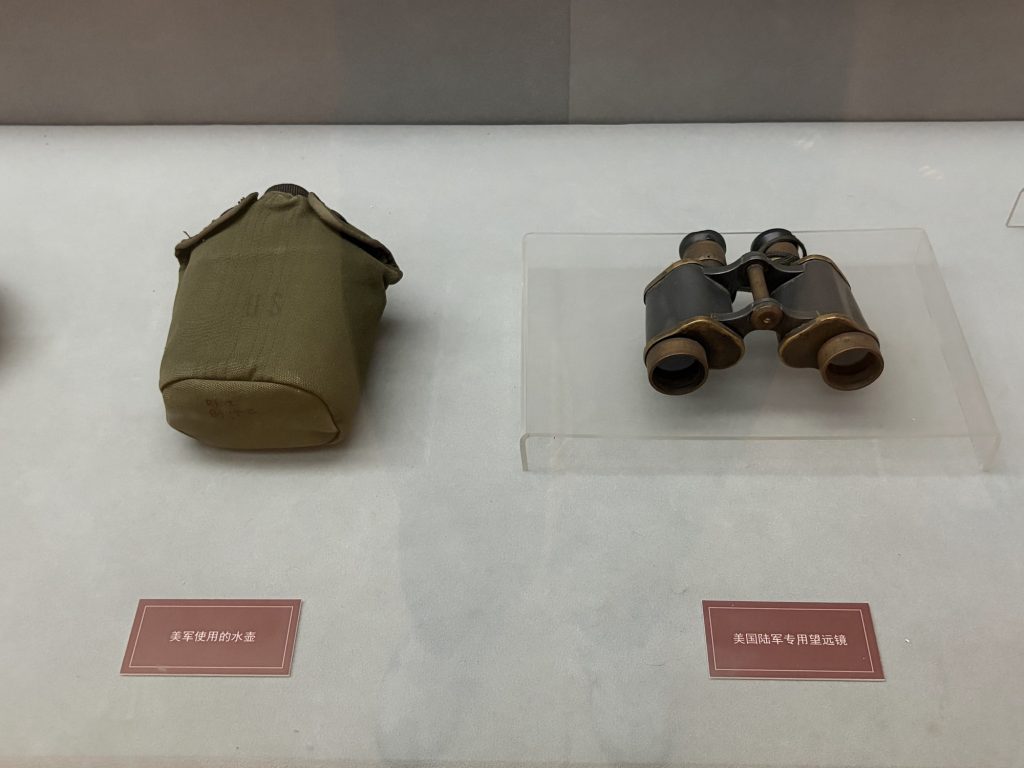
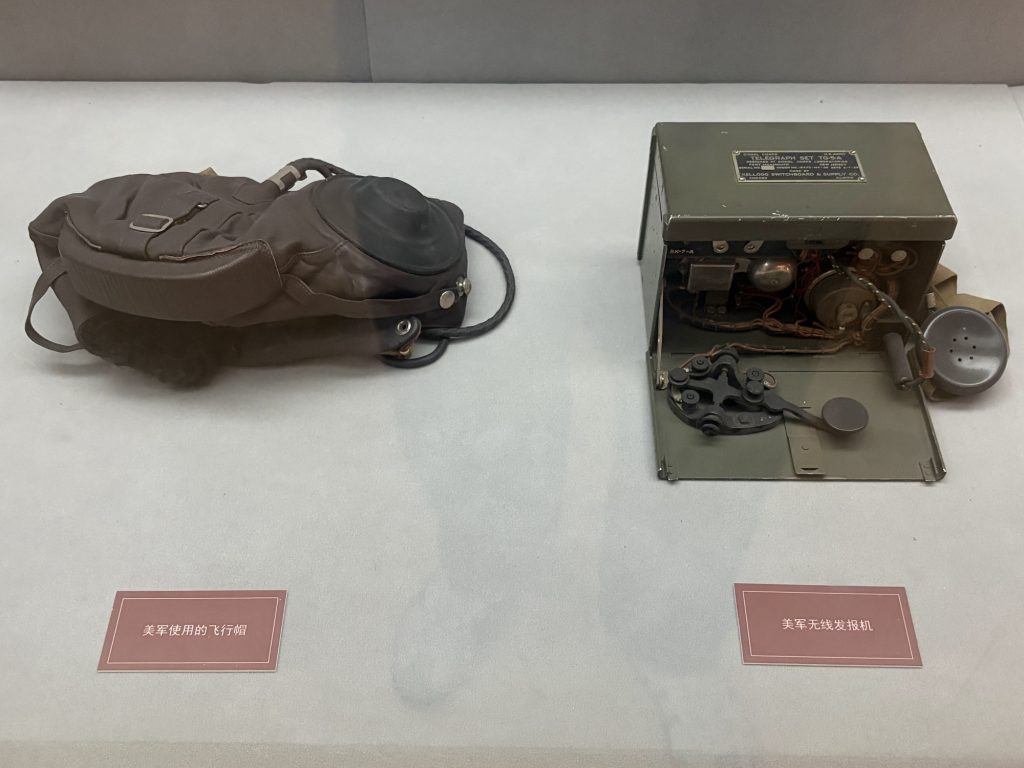
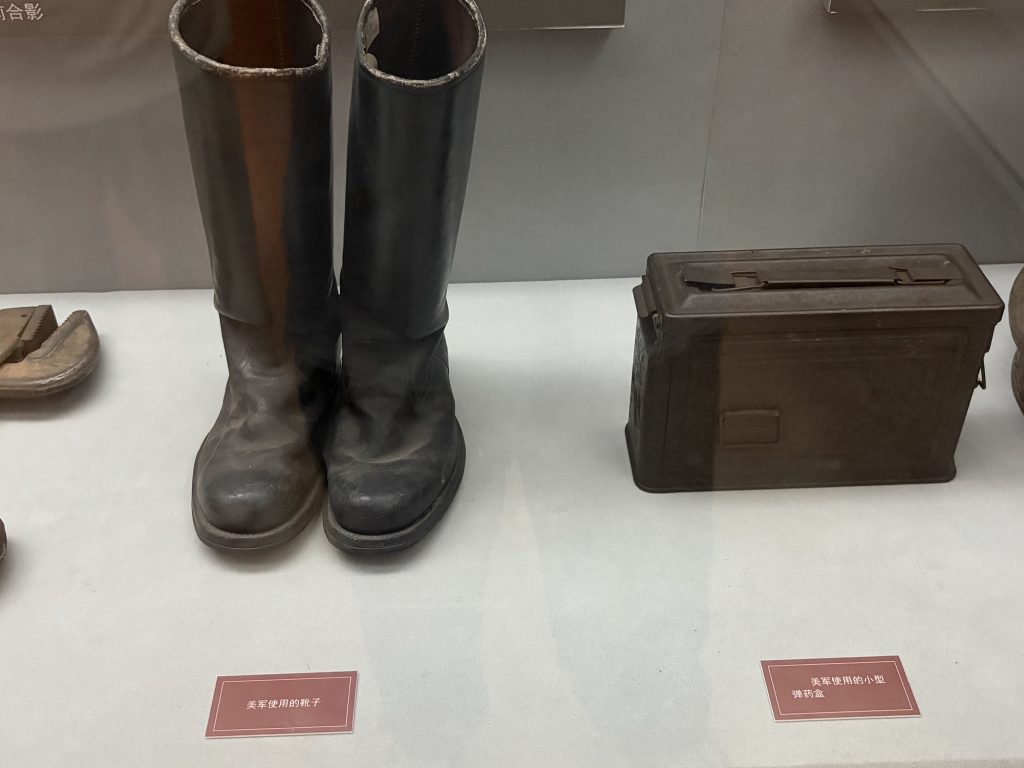
There are also objects related to American air support for China, including military canteens, binoculars, flight caps, a radio transmitter, military boots, and small ammunition boxes.
A large part of the hall also covers the Japanese bombing of Chongqing and how local residents organized air-raid defense and resisted the bombings.
Chinese Currency of Past Dynasties
This hall is more interesting than it might sound. Even if you’re not especially into history, it is still fairly easy to follow.
The exhibits start with shell money from the Shang and Zhou periods, then move on to spade money and knife money from the Spring and Autumn period through the Warring States period. Later sections cover Tang dynasty copper coins, Song dynasty iron coins, Ming and Qing silver ingots, late Qing copper coins and paper notes, Republican-era banknotes in different denominations, and the first series of renminbi issued after 1949.
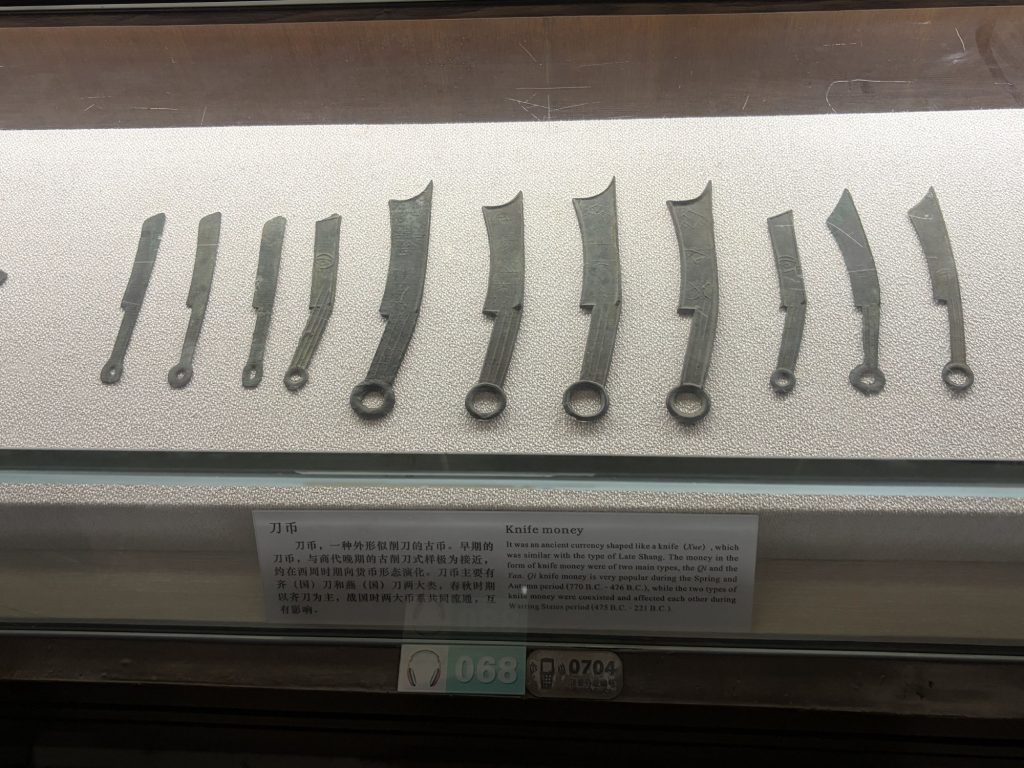
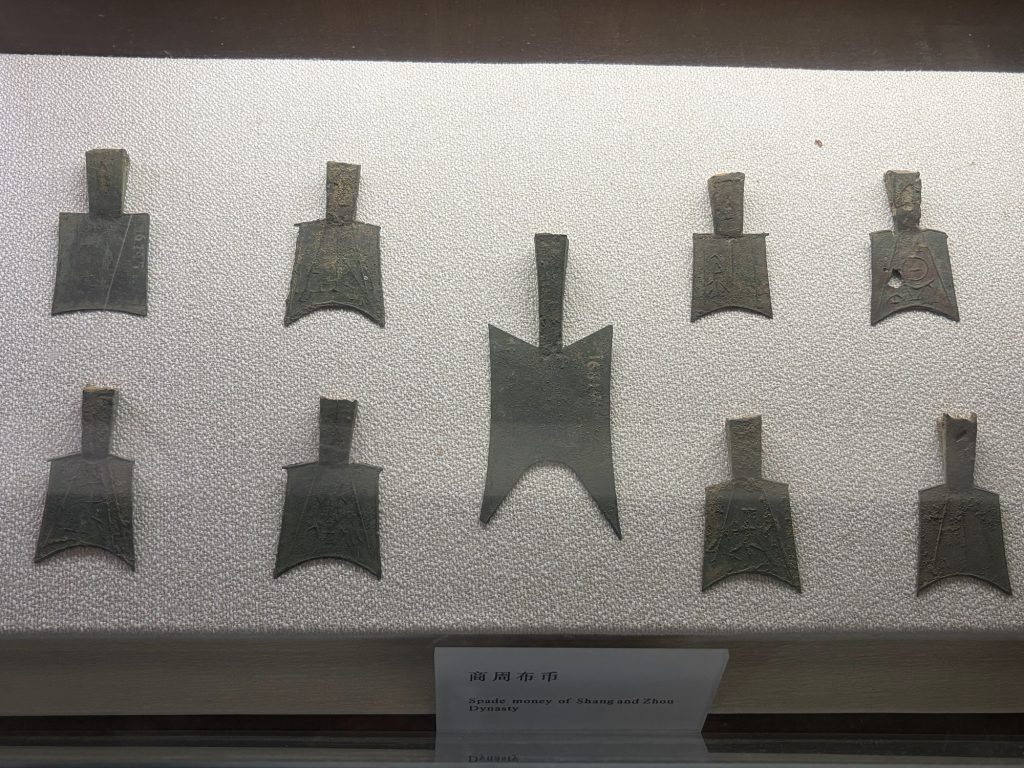
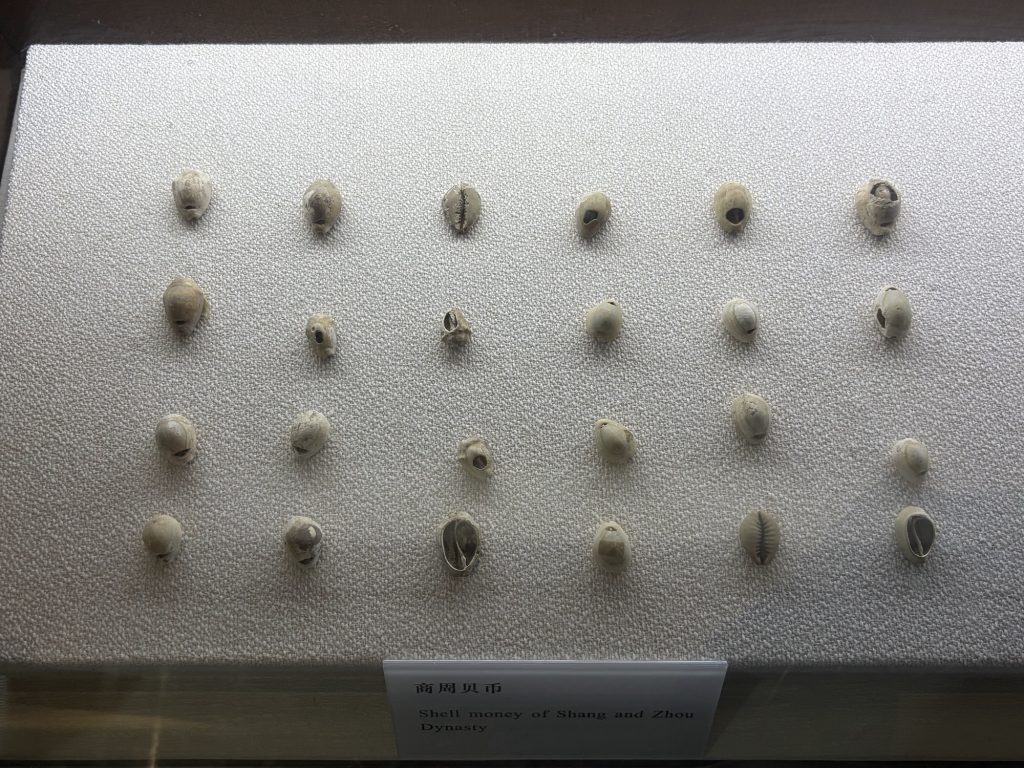
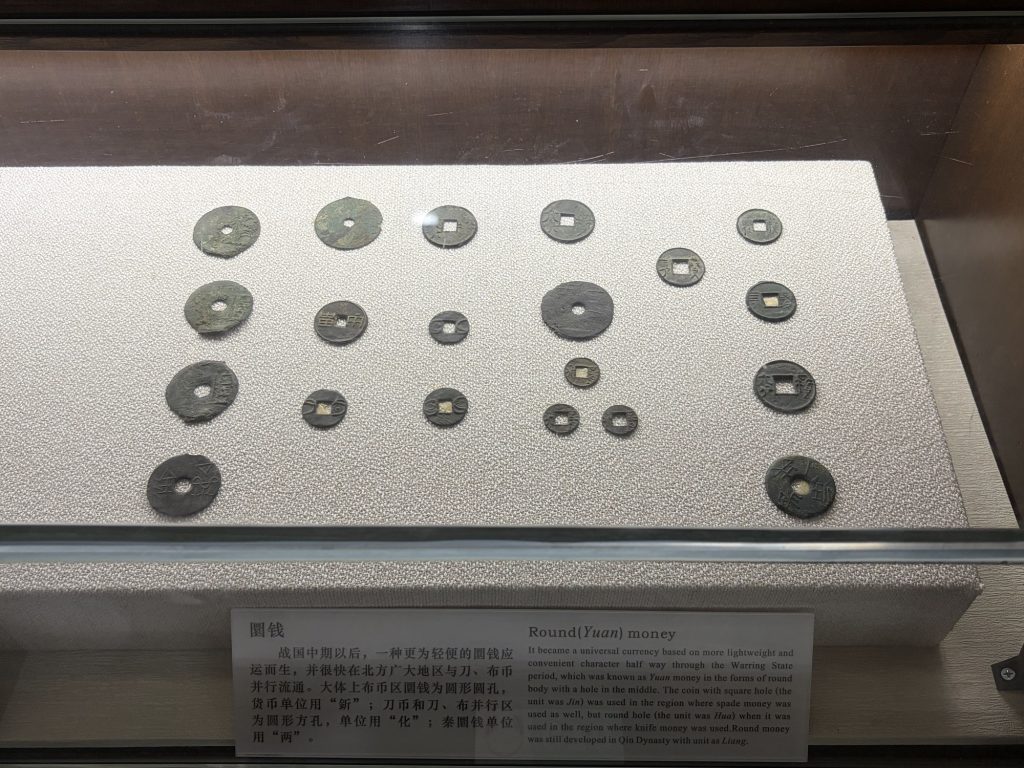
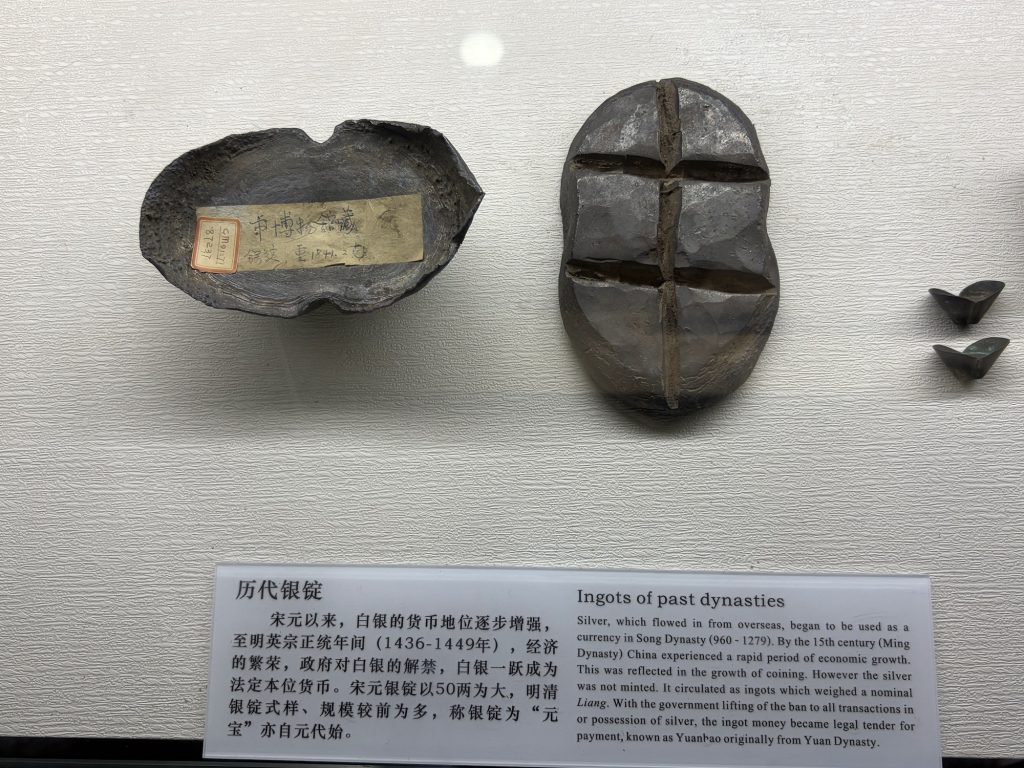
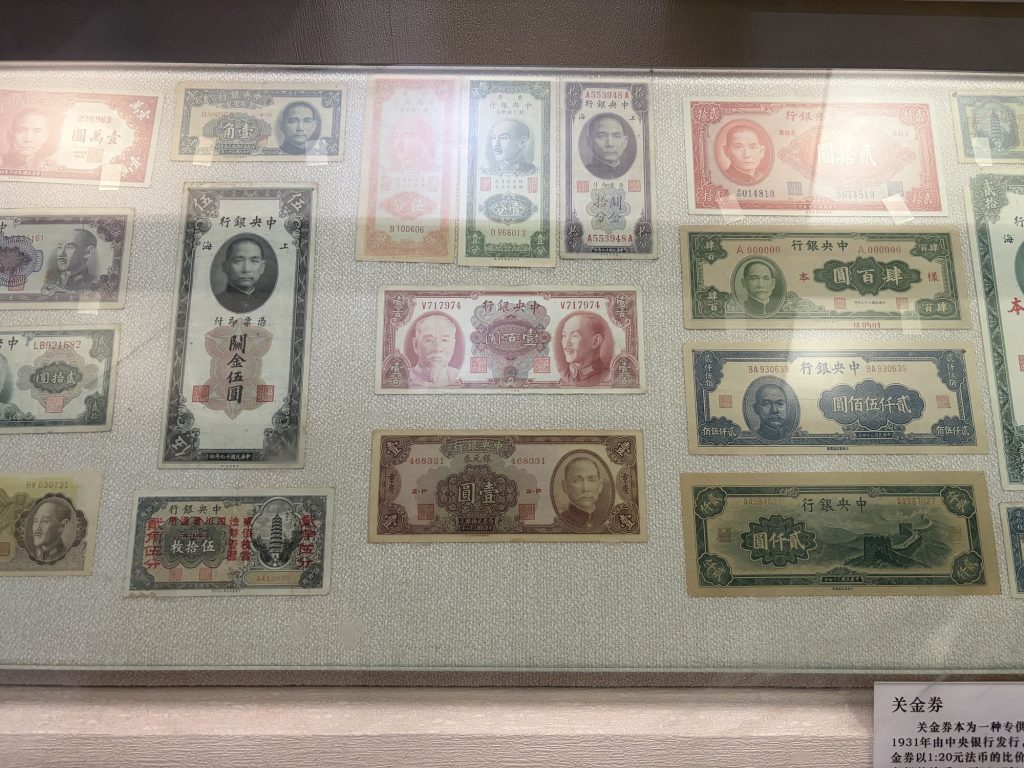
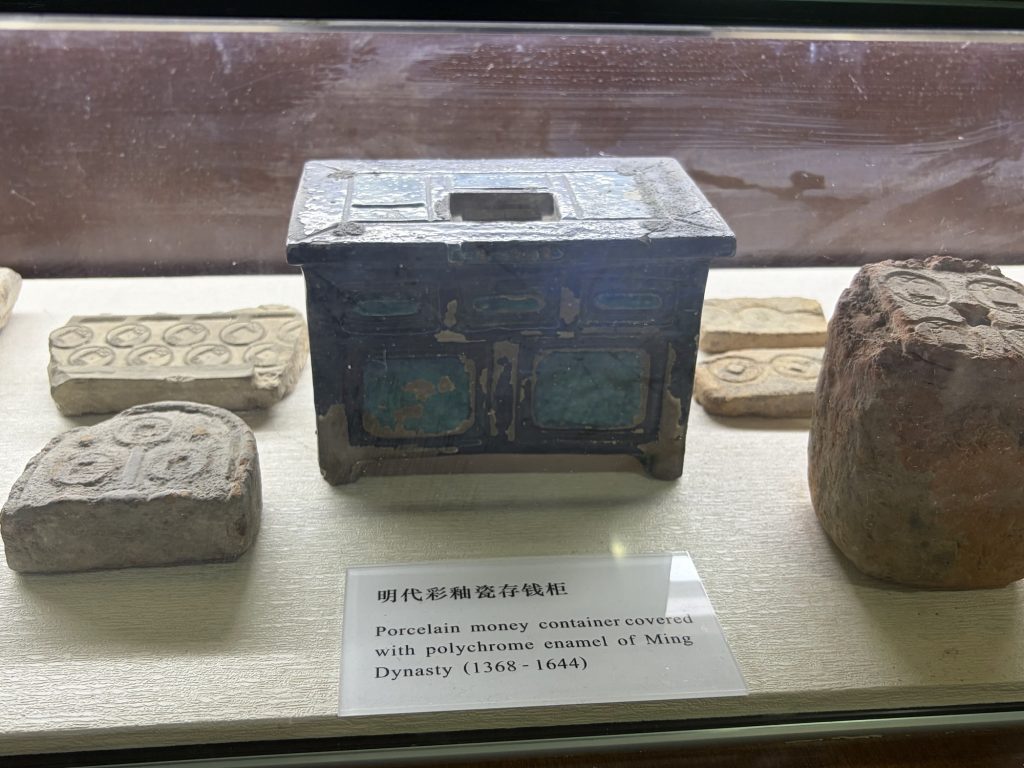
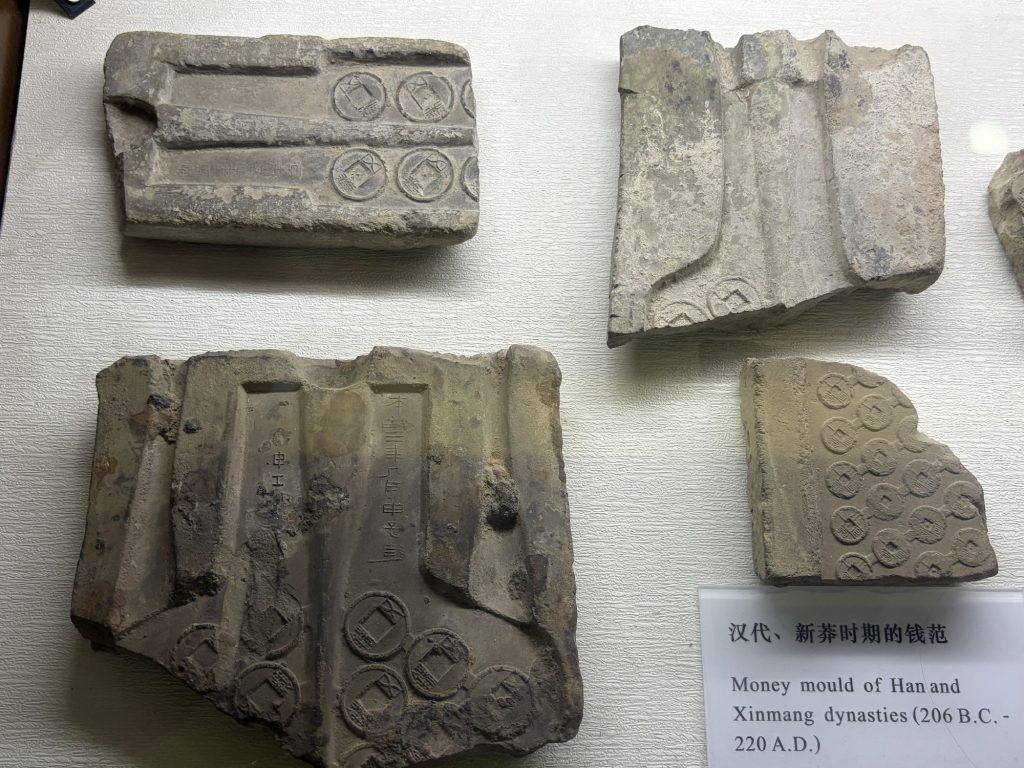
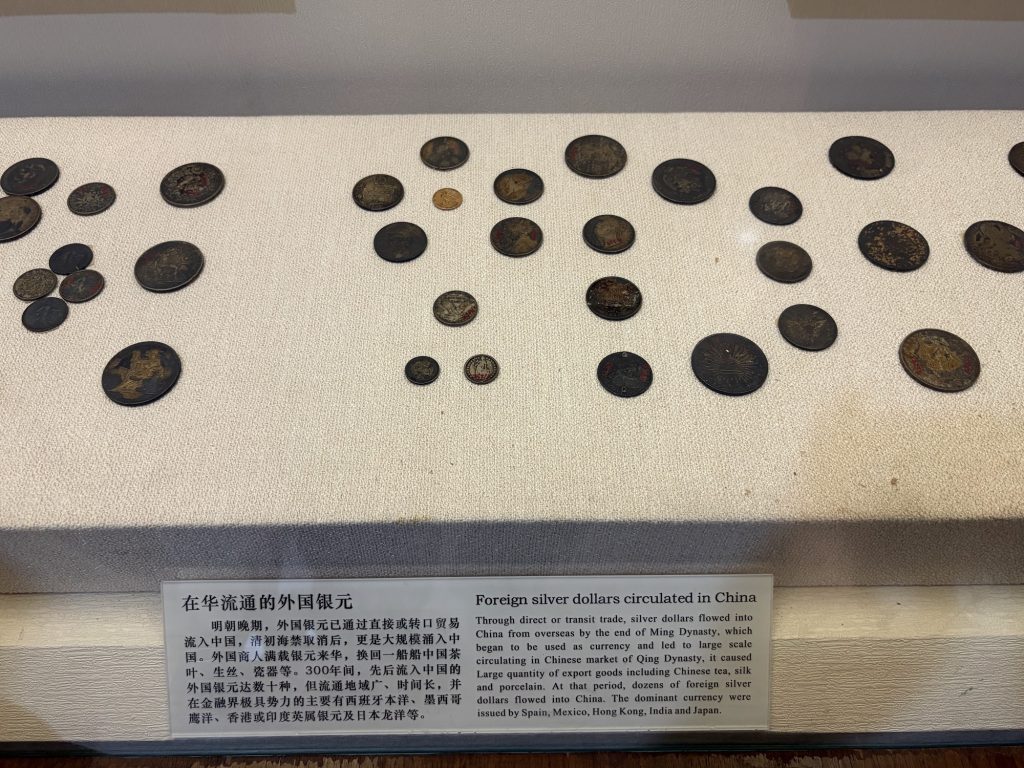
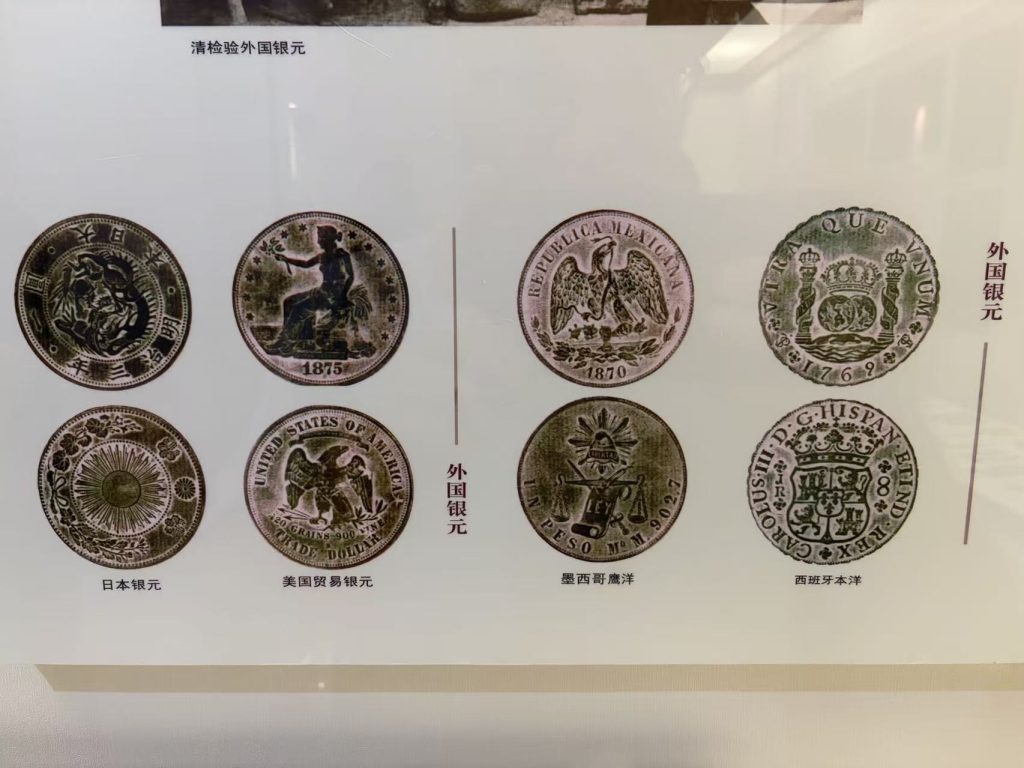
What I found more interesting is that the hall does not just show money itself. You can also see objects related to coin casting, saving money, and the circulation of foreign coins in China. These include Ming dynasty savings jars, Han dynasty coin moulds, and foreign coins that once circulated in China, such as Spanish silver dollars, Mexican eagle dollars, British-issued silver coins from Hong Kong and India, and Japanese dragon dollars.
Sculpture in Bashu During the Han Dynasty
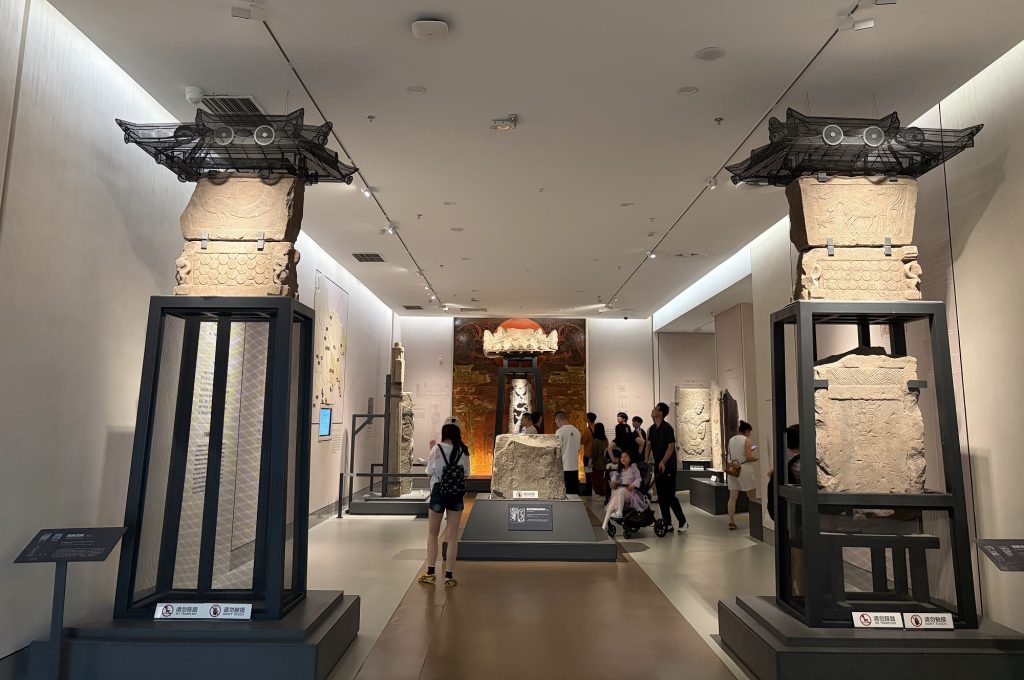
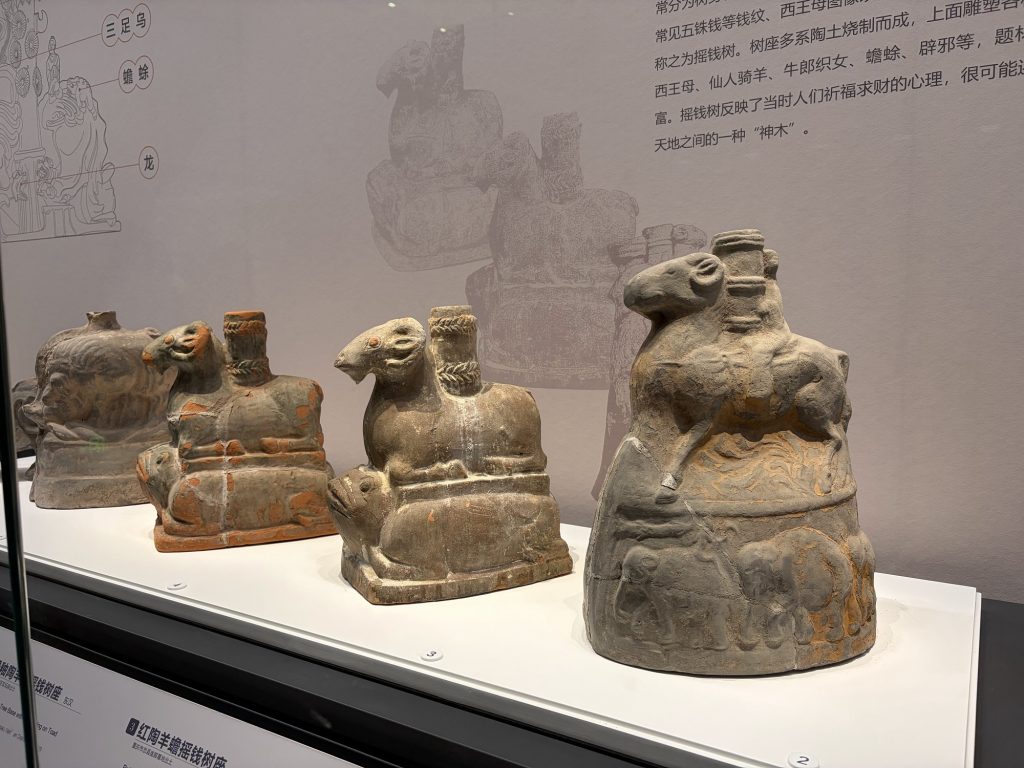
This hall focuses on sculptures connected to Han dynasty tombs.
Like the previous currency exhibition, it is fairly approachable. You don’t need to pore over every label to understand what you’re looking at. The stone carvings, pottery figurines, and pictorial bricks already show you a lot about tomb culture in the Bashu region during the Han dynasty.
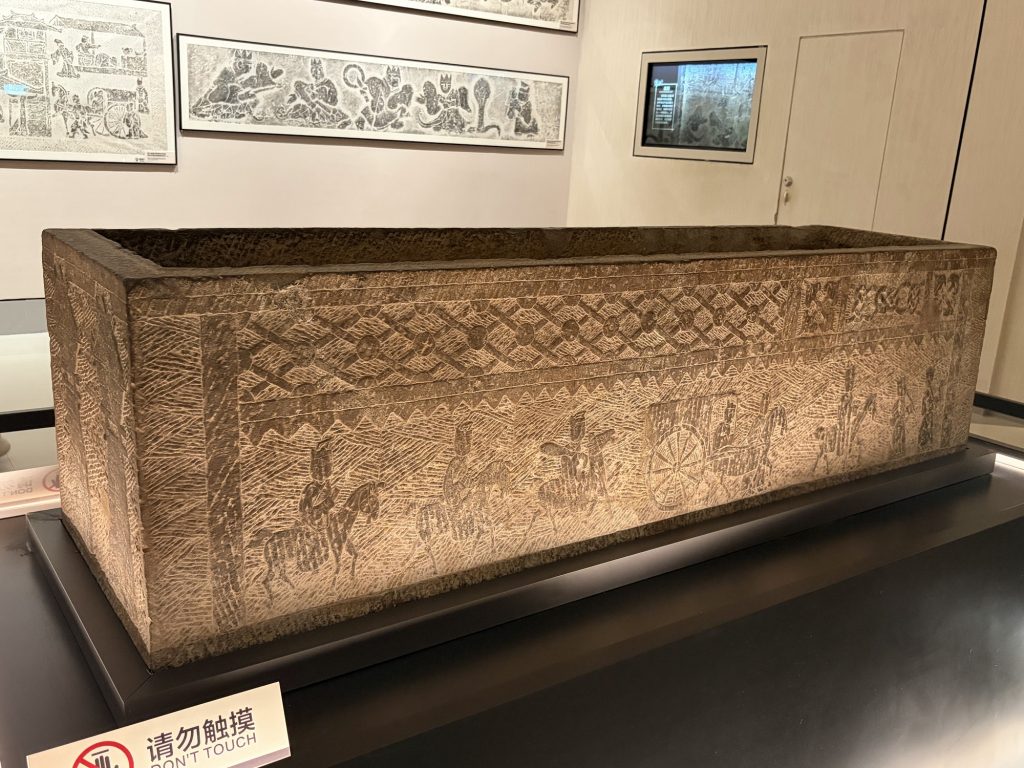
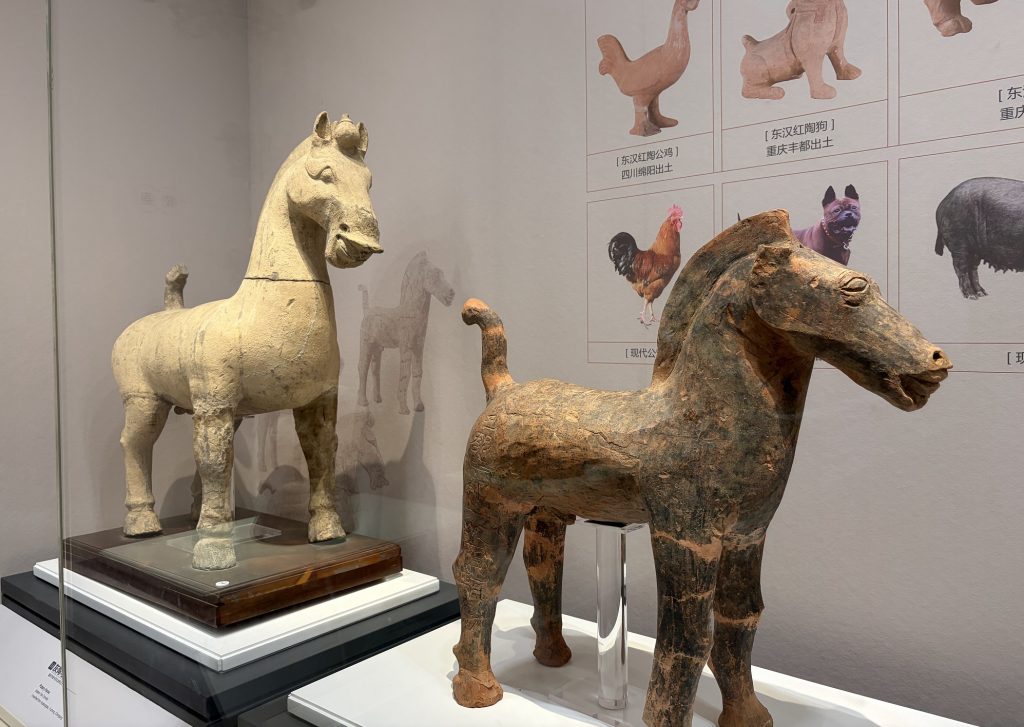
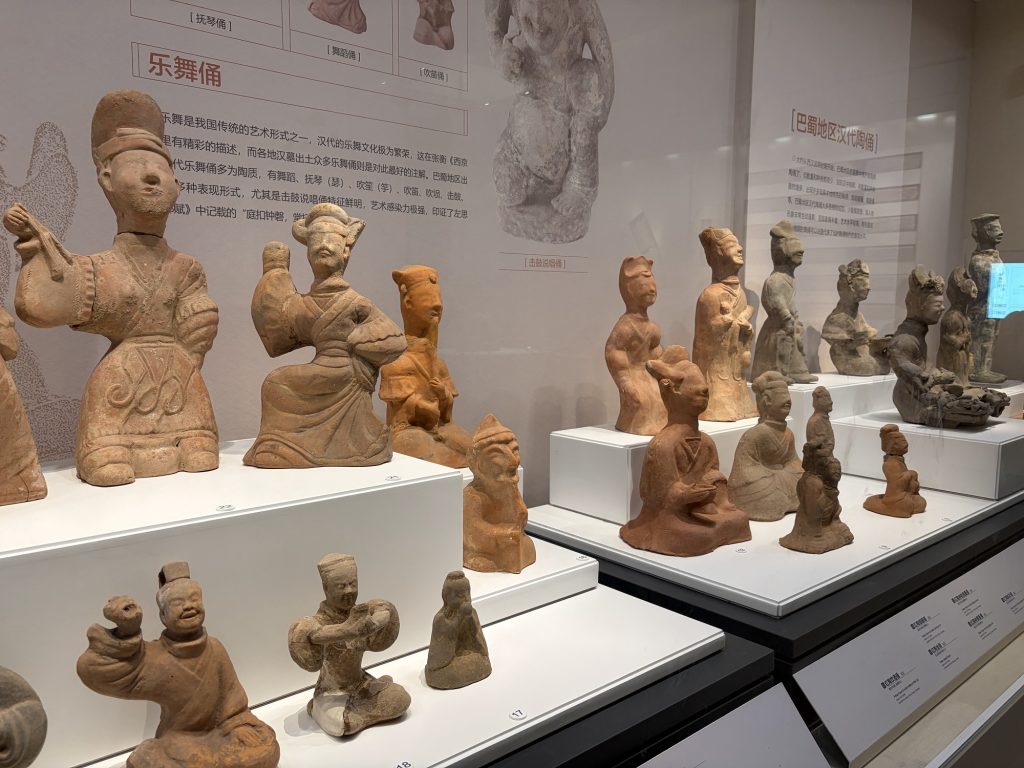
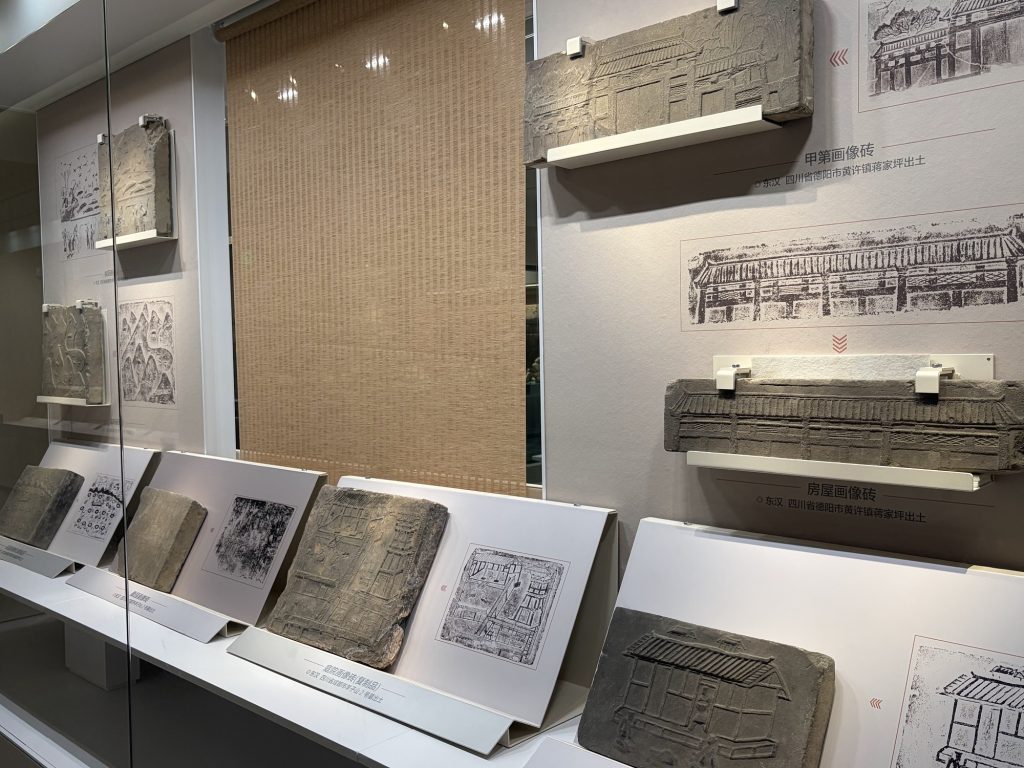
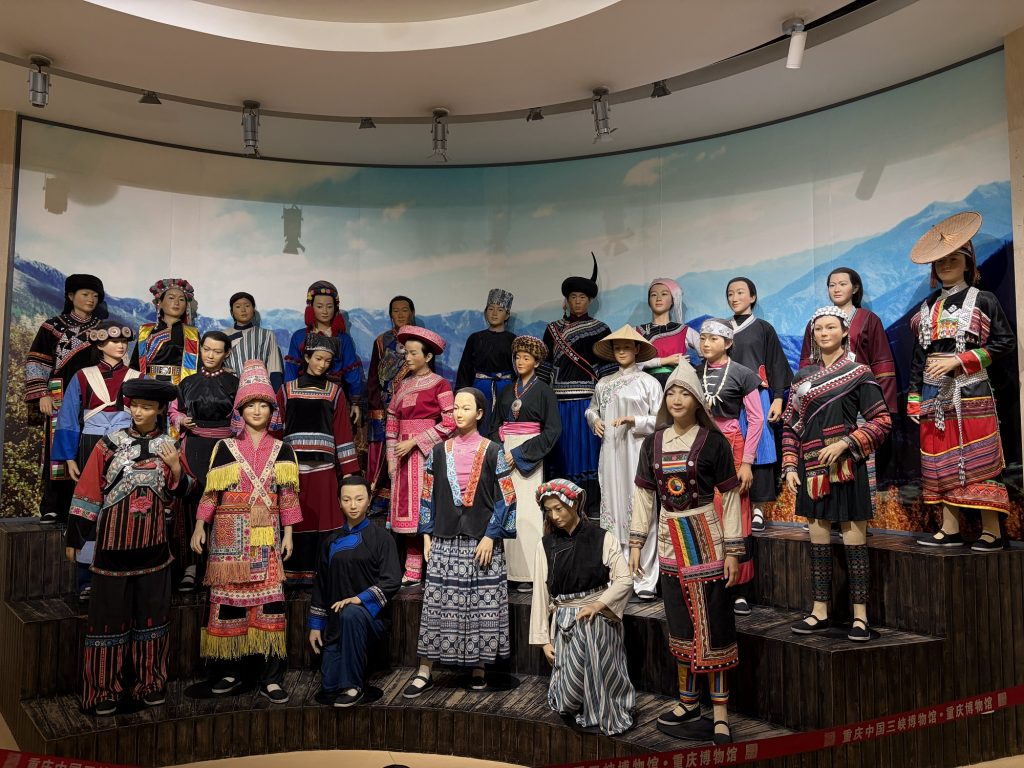
Folk Customs of Ethnic Groups in Southwest China
This hall displays everyday objects and folk art from ethnic groups in Southwest China, including clothing, tools and utensils, musical instruments, wedding-related objects, and local handicrafts.
I’m not especially drawn to this kind of folk culture, so I didn’t linger here.
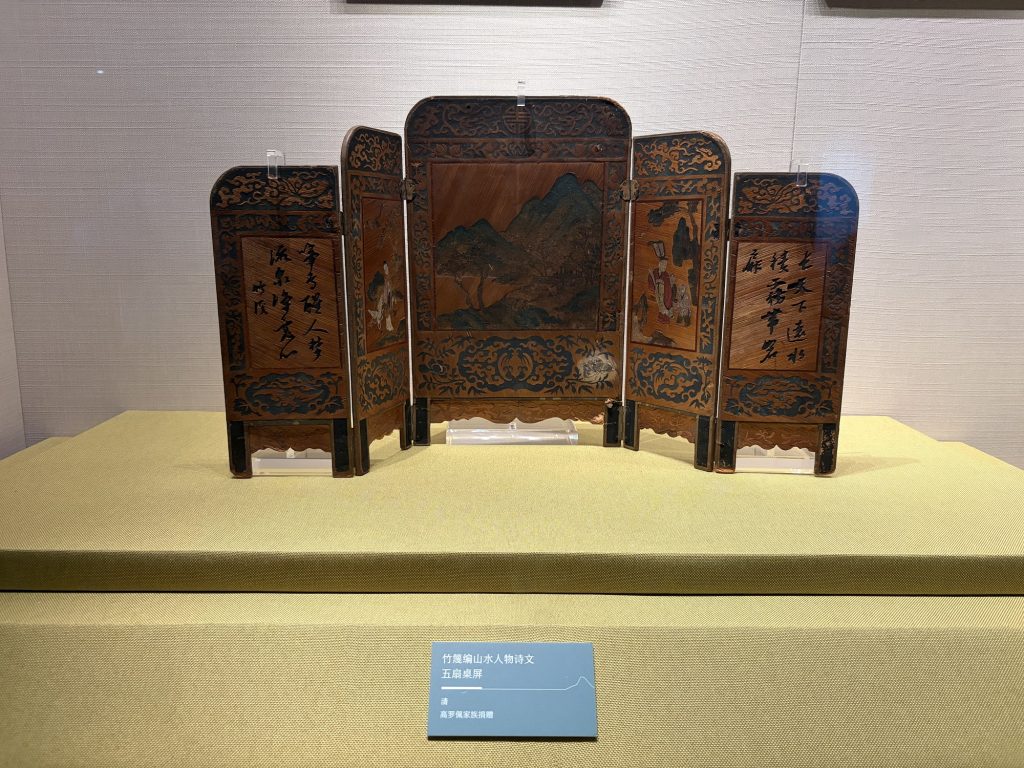
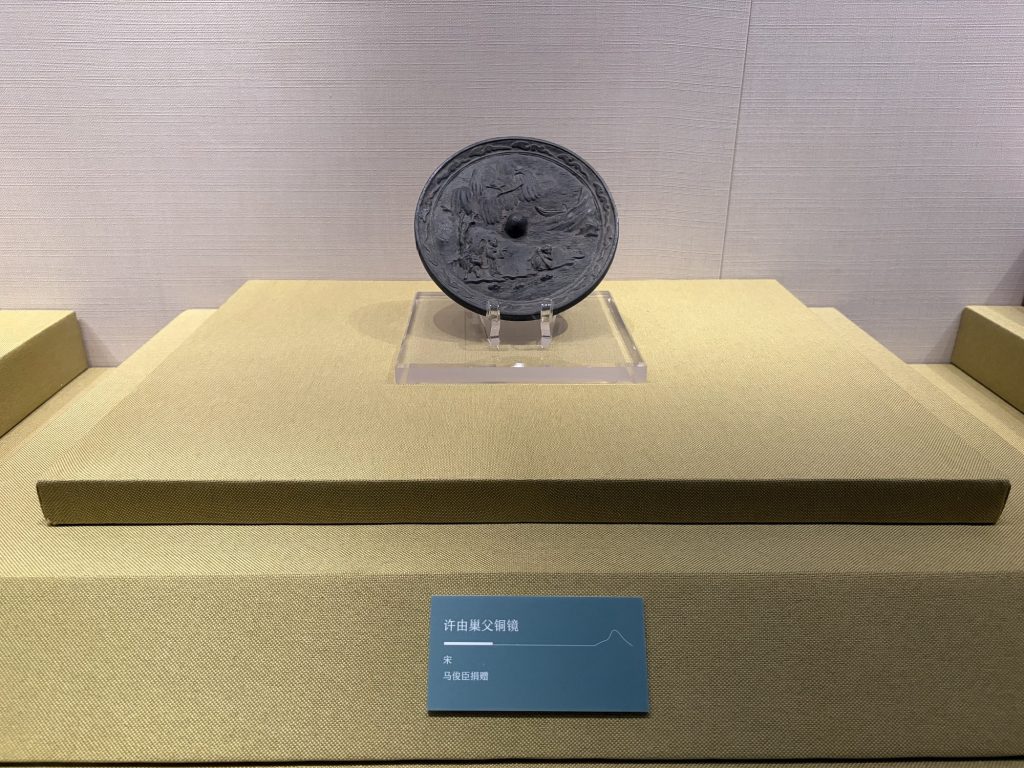
Jingren Huaide
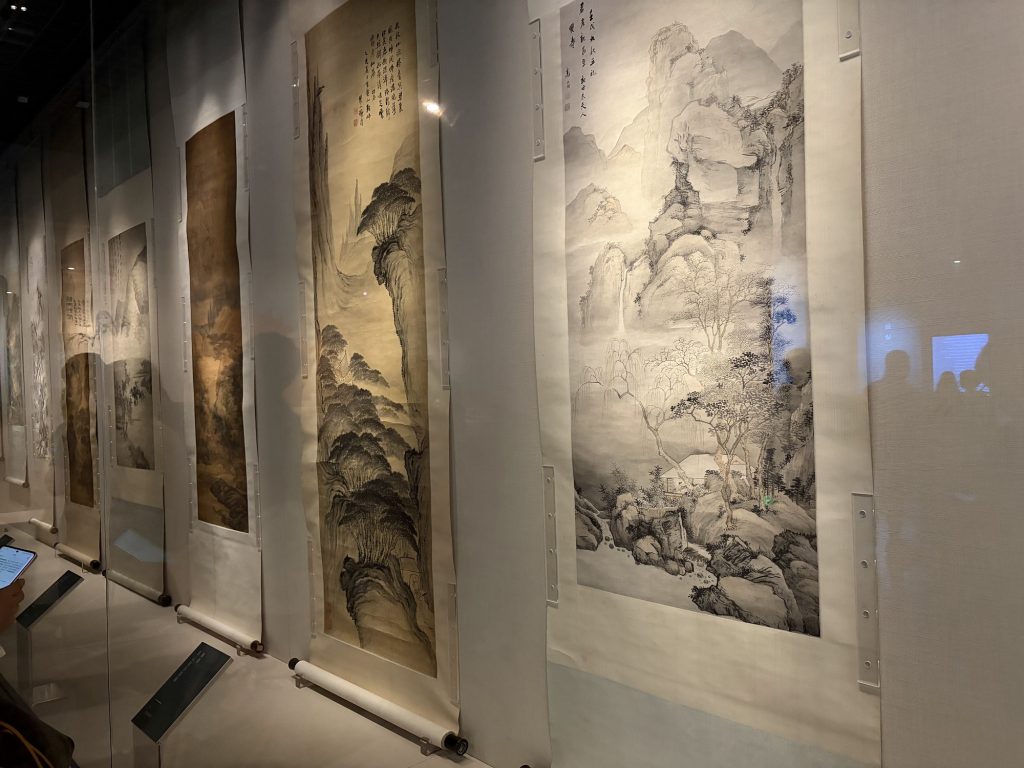
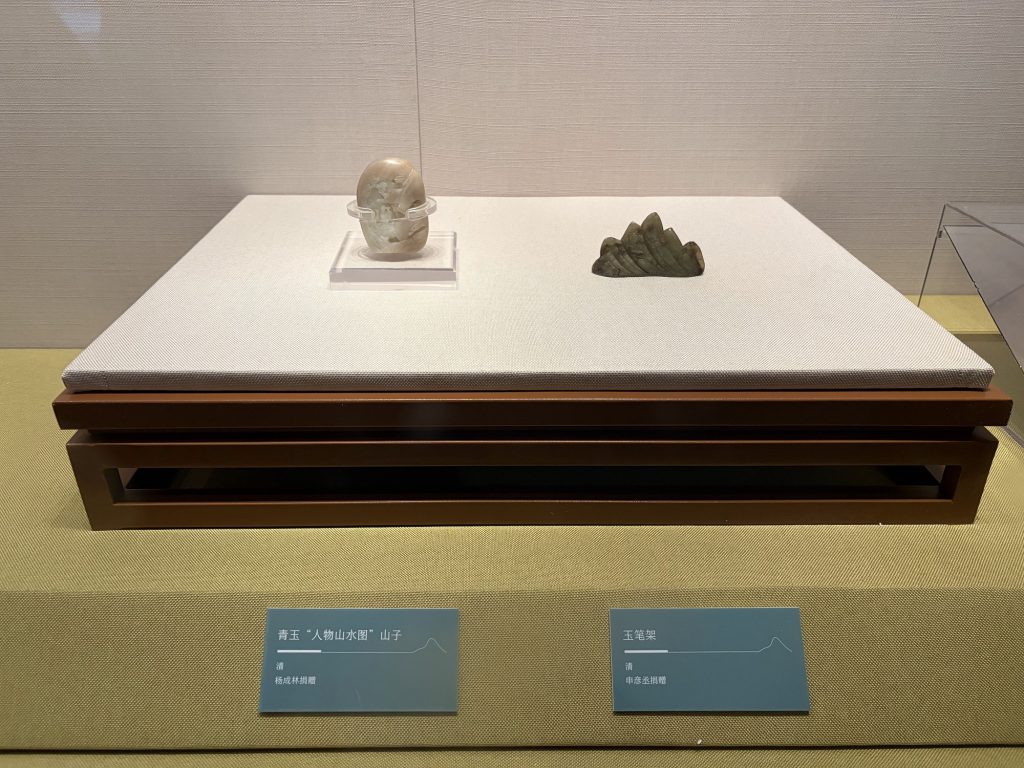
This gallery honors the museum’s donors, and the exhibits change depending on the theme. Occasionally, it may also include works by well-known artists such as Qi Baishi.
Ming and Qing Export Porcelain
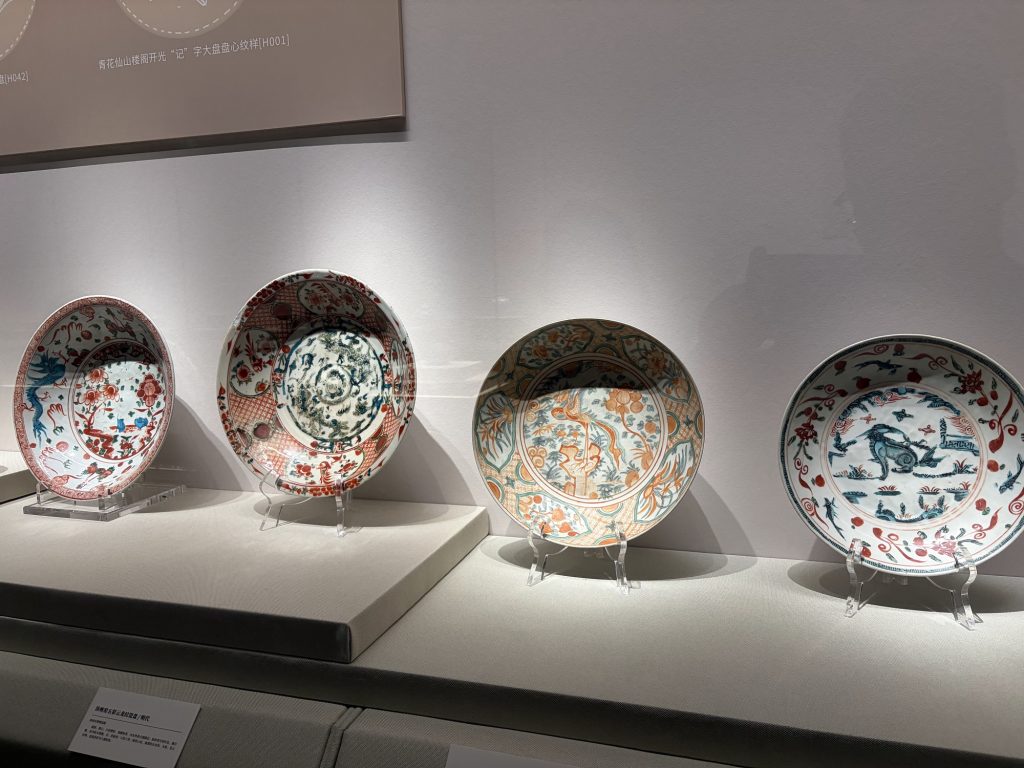
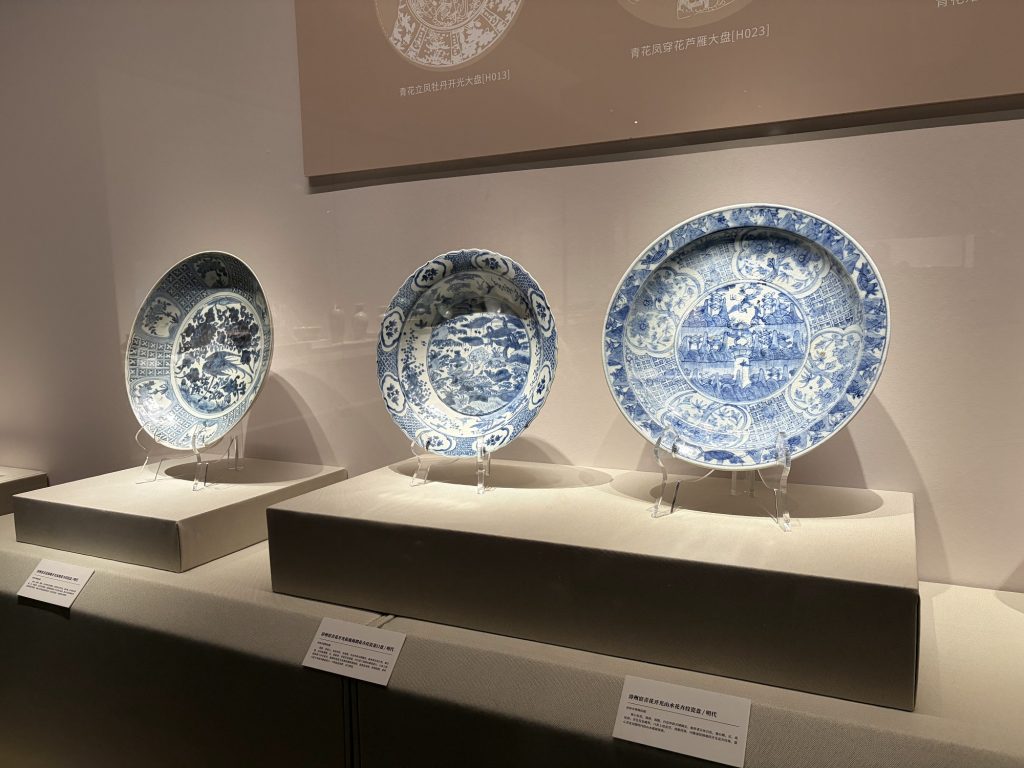
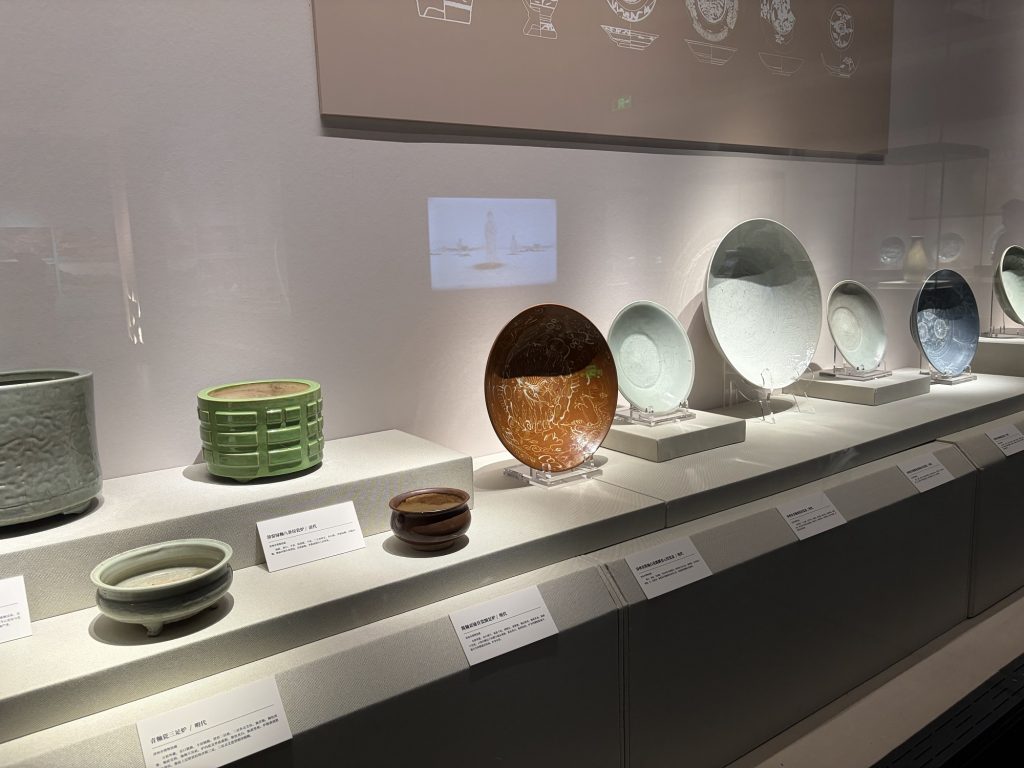
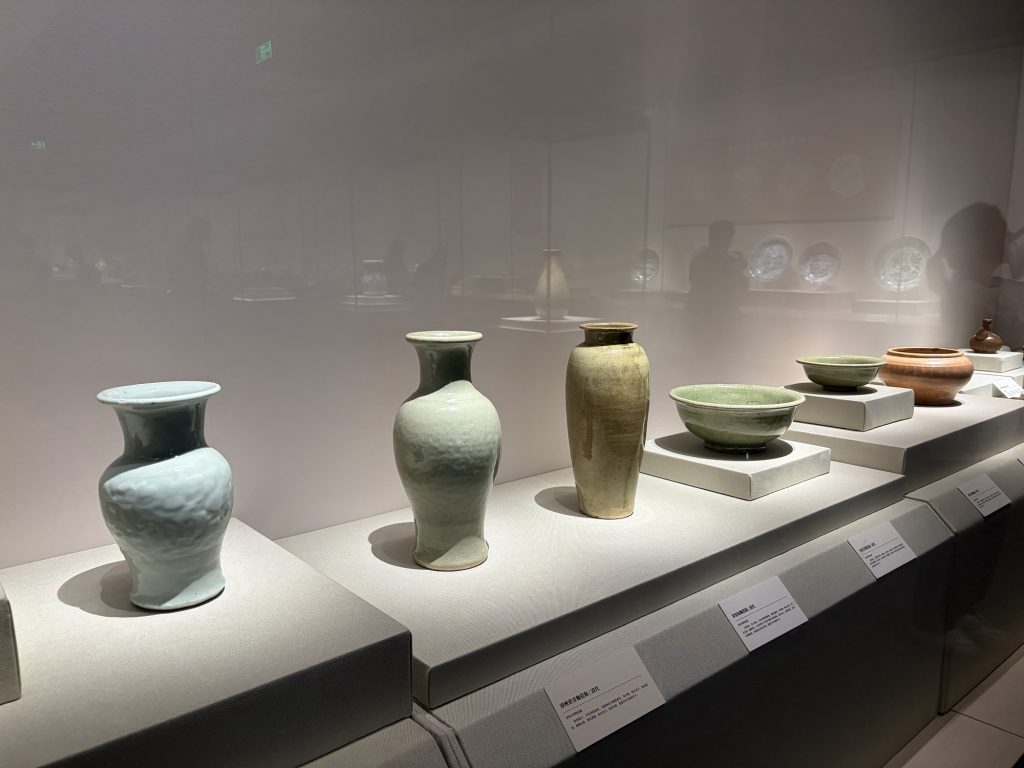
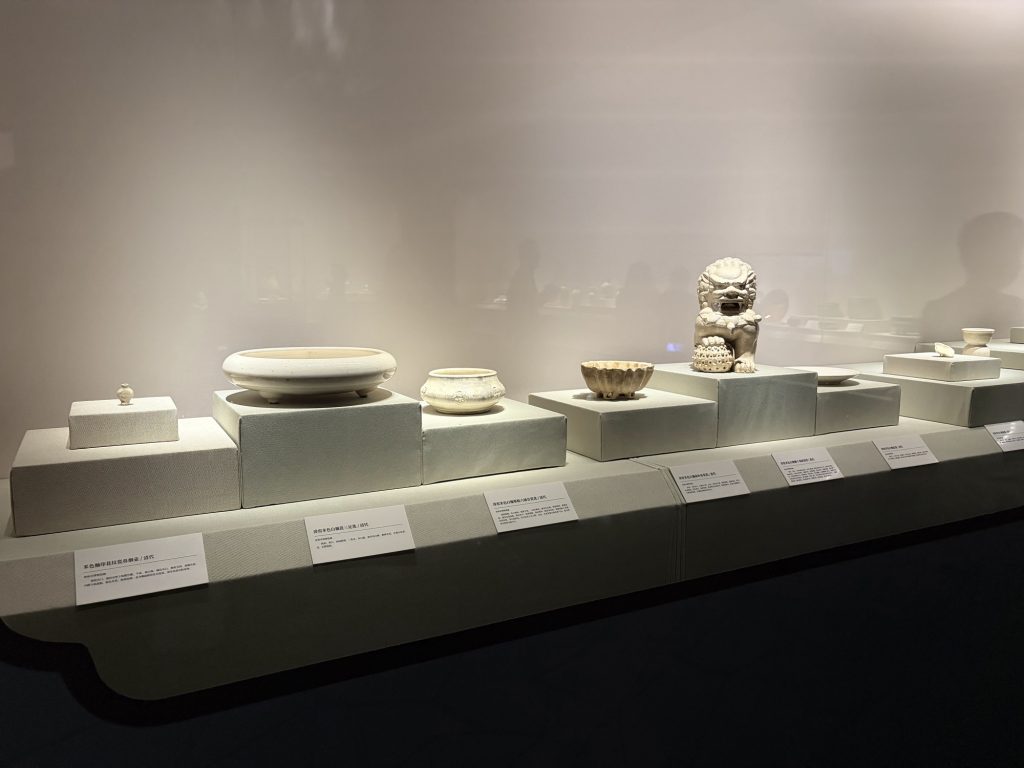
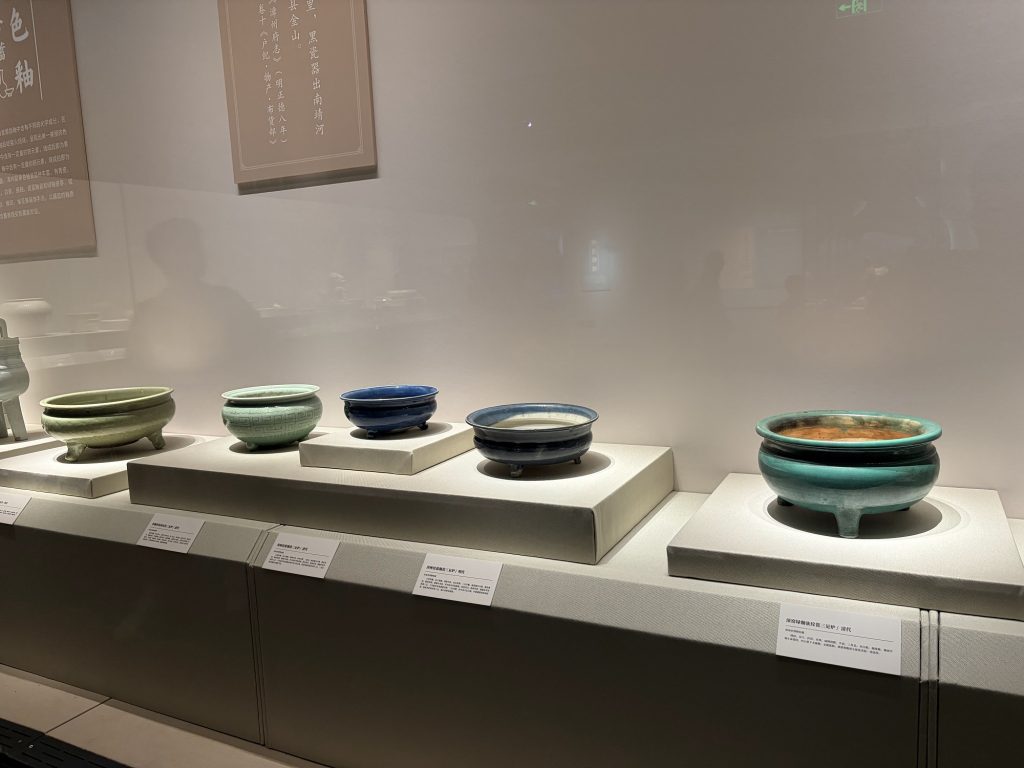
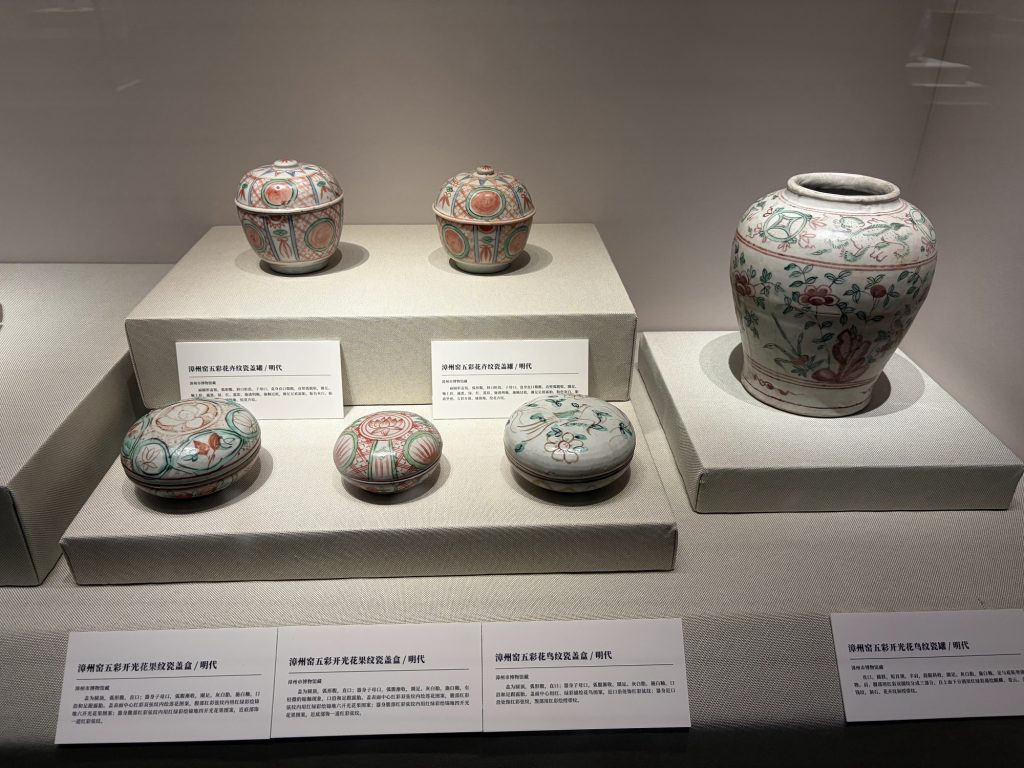
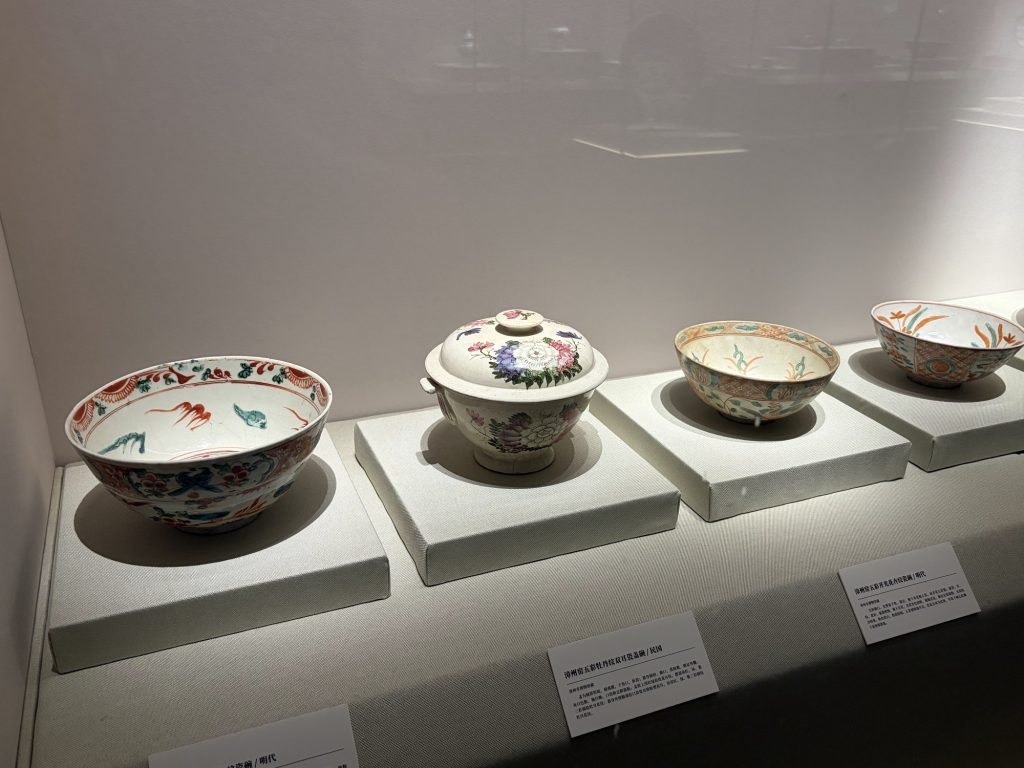
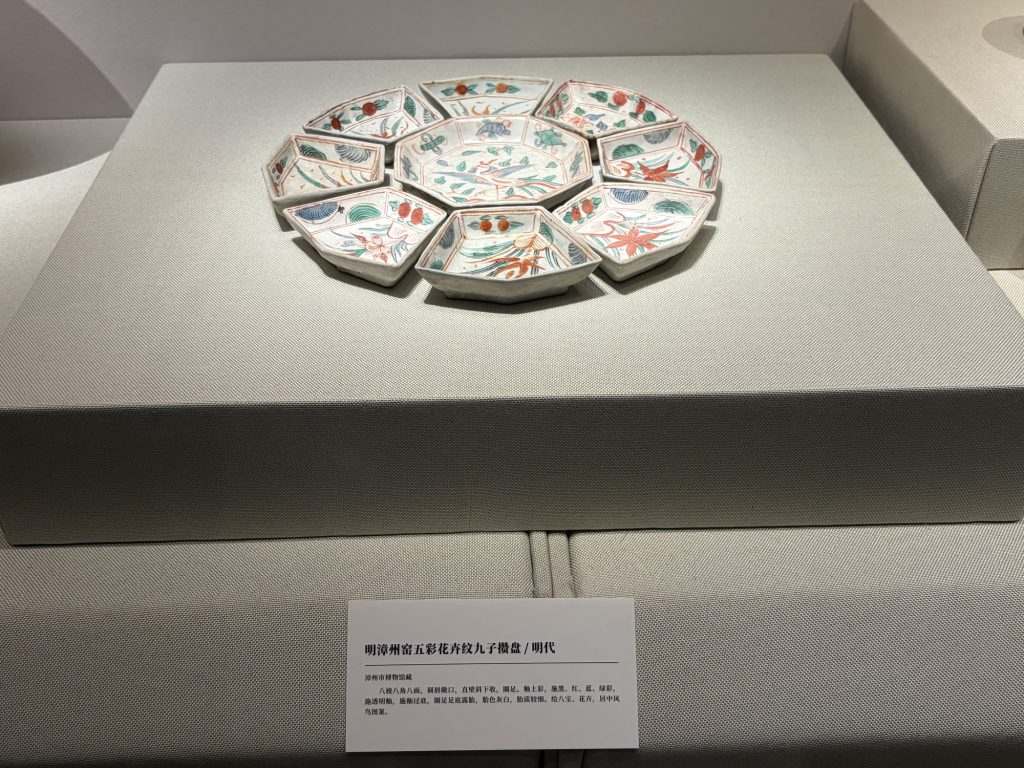
The permanent ceramics hall was closed for display changes during my visit, so I missed out on that. Luckily, there was a temporary exhibition on Ming and Qing export porcelain, which made up for it a little.
I’m no expert on porcelain, so I just walked through at my own pace, looking at the shapes, patterns, and colors for what they were.