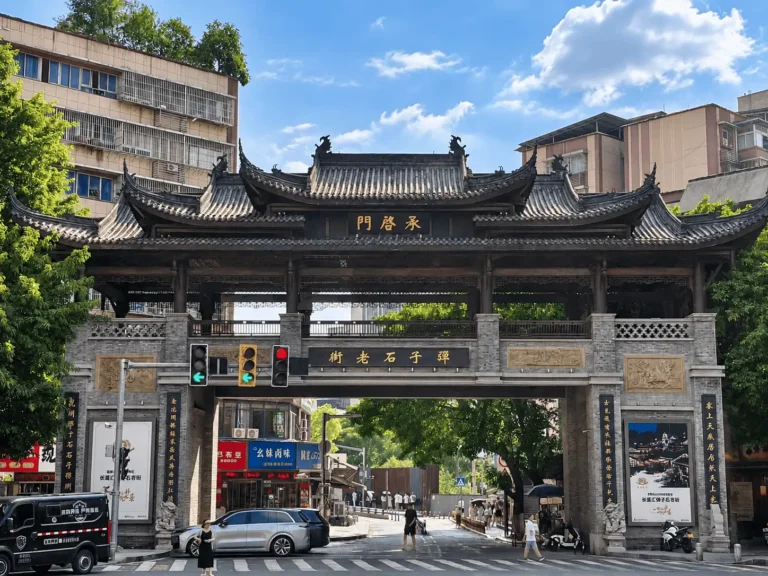
Shibati (18 Steps), Chongqing: What to Expect and How to Visit

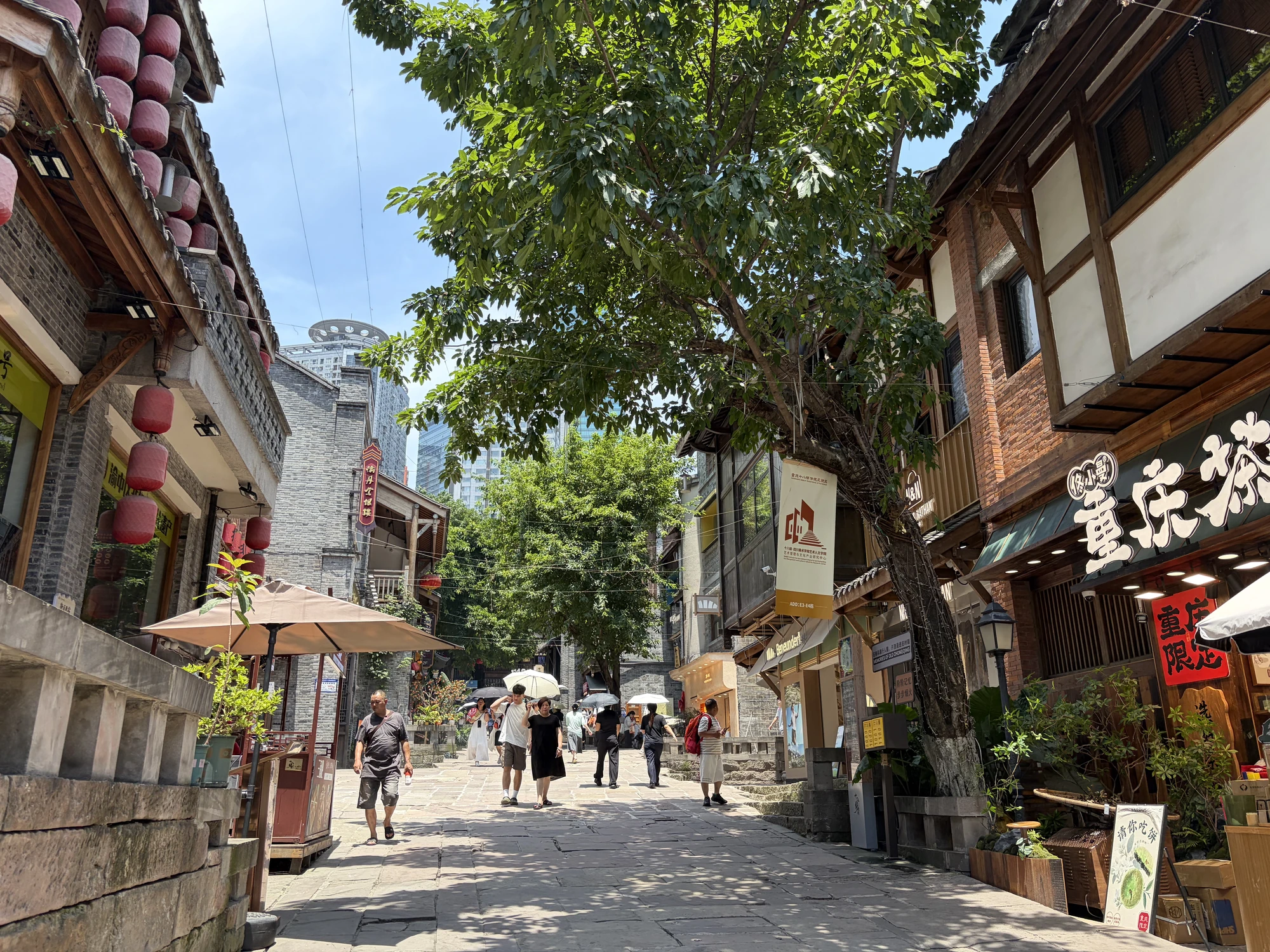
Chongqing developed along its hillsides, with the city historically divided into an upper city and a lower city. Shibati (18 Steps) was an important route between the two.
As road connections between the two parts of the city improved, Shibati’s role as a thoroughfare gradually diminished, and the area developed into a residential neighborhood. As its homes and infrastructure aged, living conditions steadily worsened. Large-scale redevelopment began in 2017, and the area opened to visitors as a tourist district in 2021.
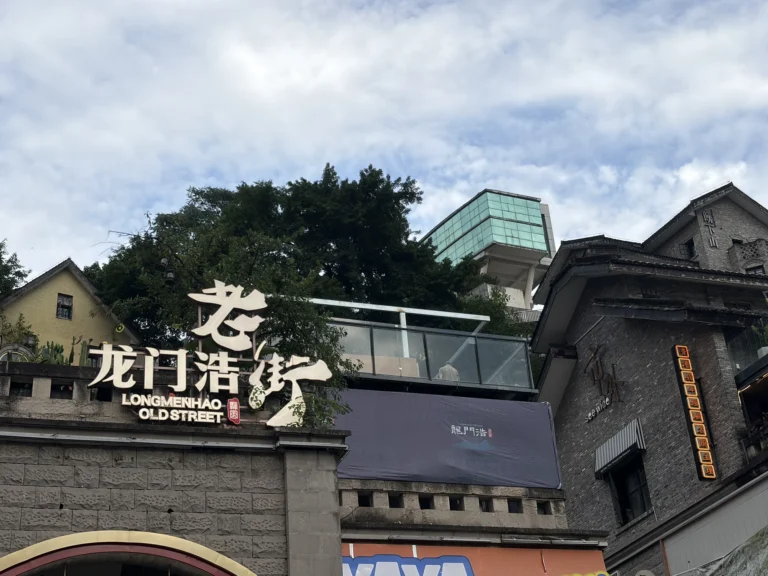
The redevelopment retained the area’s original layout and preserved some of its stone steps, old trees, hillside contours, and historic remains. Most of the traditional-style buildings you see today, however, were newly built as part of the project.
Getting there
Shibati is near Jiaochangkou in Yuzhong District and is easy to reach by metro, on foot, or by taxi.
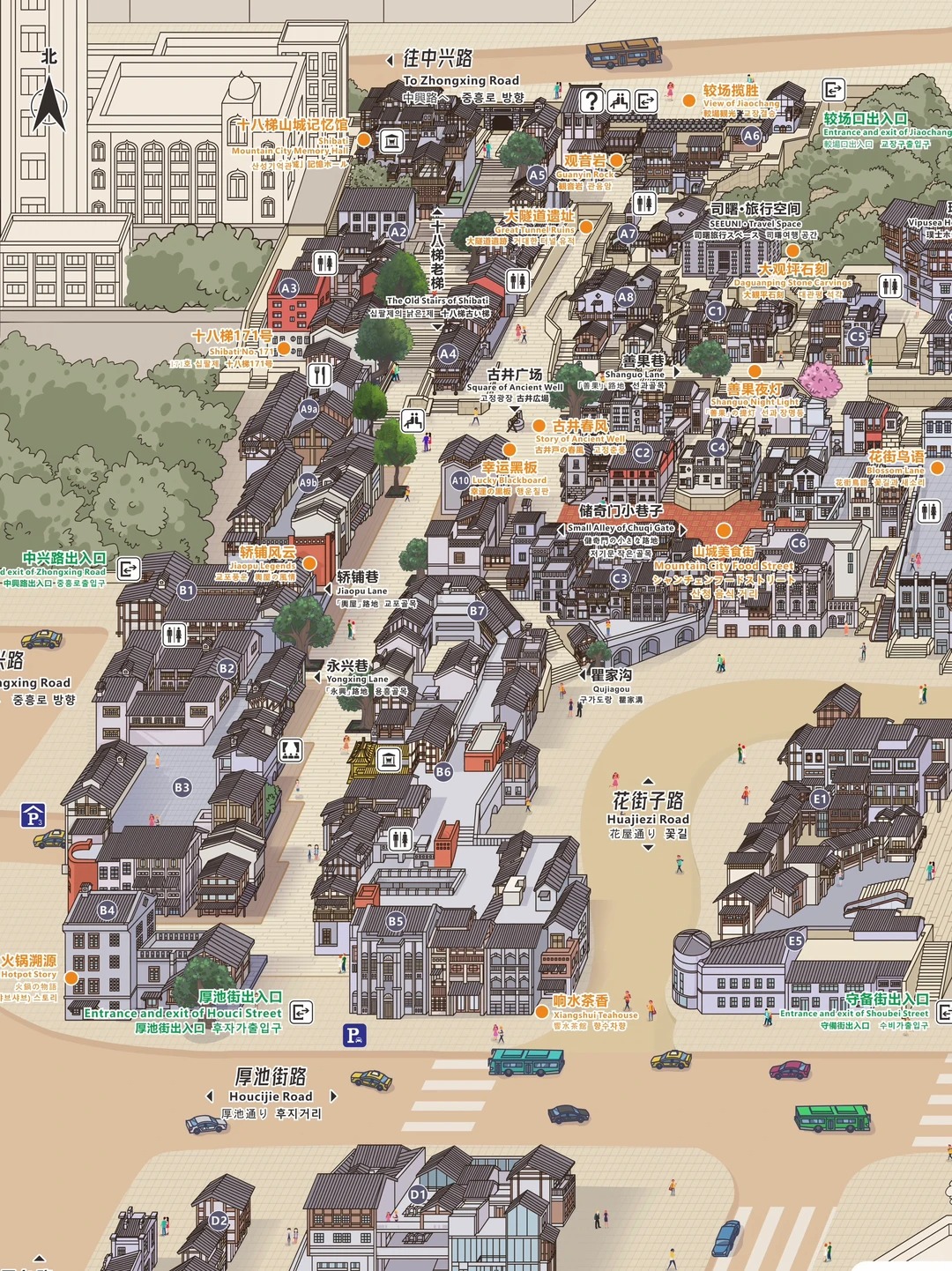
For the easiest route, take Line 1 or Line 2 to Jiaochangkou Station and use Exit 11. From there, the route through Shibati is mostly downhill.
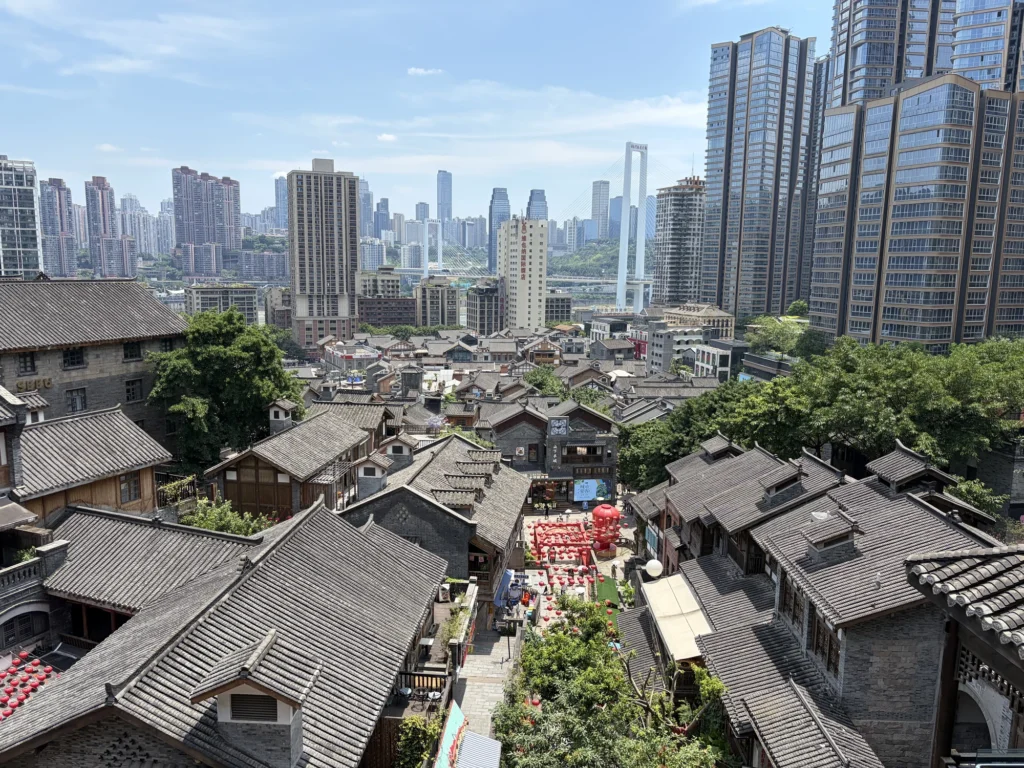
However, when you come out of Exit 11, don’t head downhill just yet. First, walk a short way up the steps to the viewing platform above, where you can look down over Shibati and see the striking contrast between old and new Chongqing.
If you’re walking or taking a taxi, search for “十八梯 A区入口” (Shibati Zone A Entrance) in Amap(Gaode Map, iOS/Android). From this entrance, the route leads downhill along a series of stone steps. This is also the stretch that feels most like Chongqing to me.
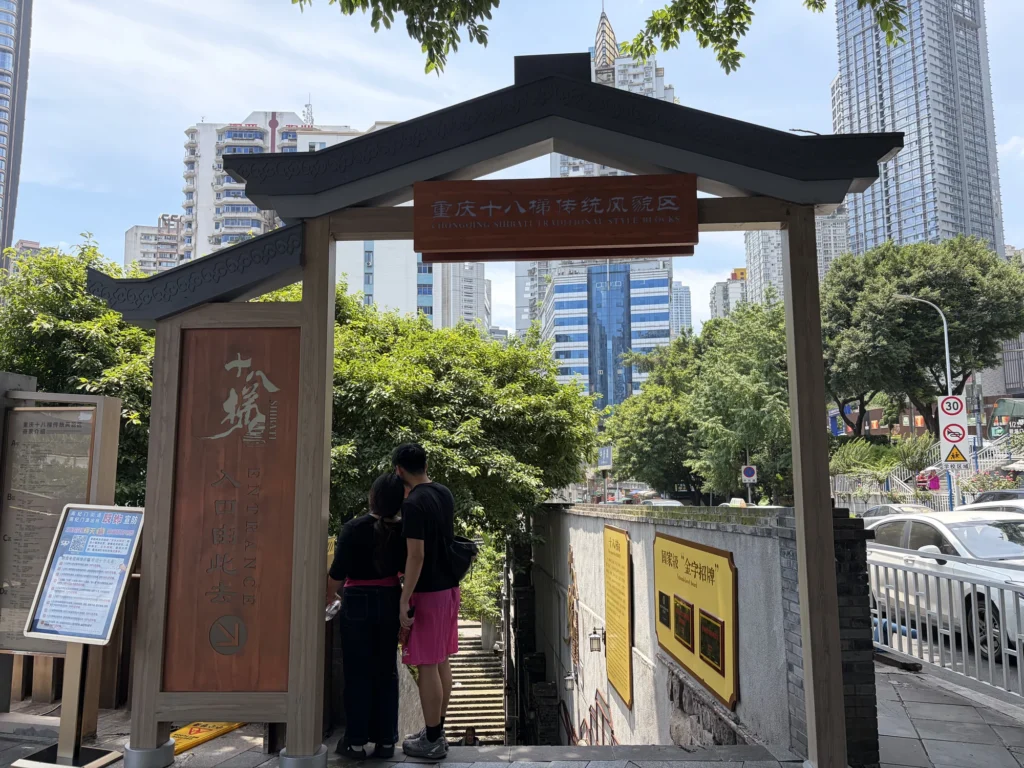
If, like me, you also plan to visit Mountain City Trail, I recommend combining the two in one day. Take Line 1 or Line 10 to Qixinggang Station and use Exit 1, then walk about 700 meters to the entrance to Mountain City Trail.
Once you’ve walked the full length of Mountain City Trail downhill, Shibati is roughly another eight minutes away on foot. You can then start at the bottom and work your way uphill.
Although this route means walking uphill through Shibati, most of the climb is fairly gentle. Only a few short stretches of stone steps near the end, leading up to the viewing platform by the Zone A entrance, are relatively steep. I didn’t find the walk tiring. If you’d rather not climb, you can take the escalator up instead.
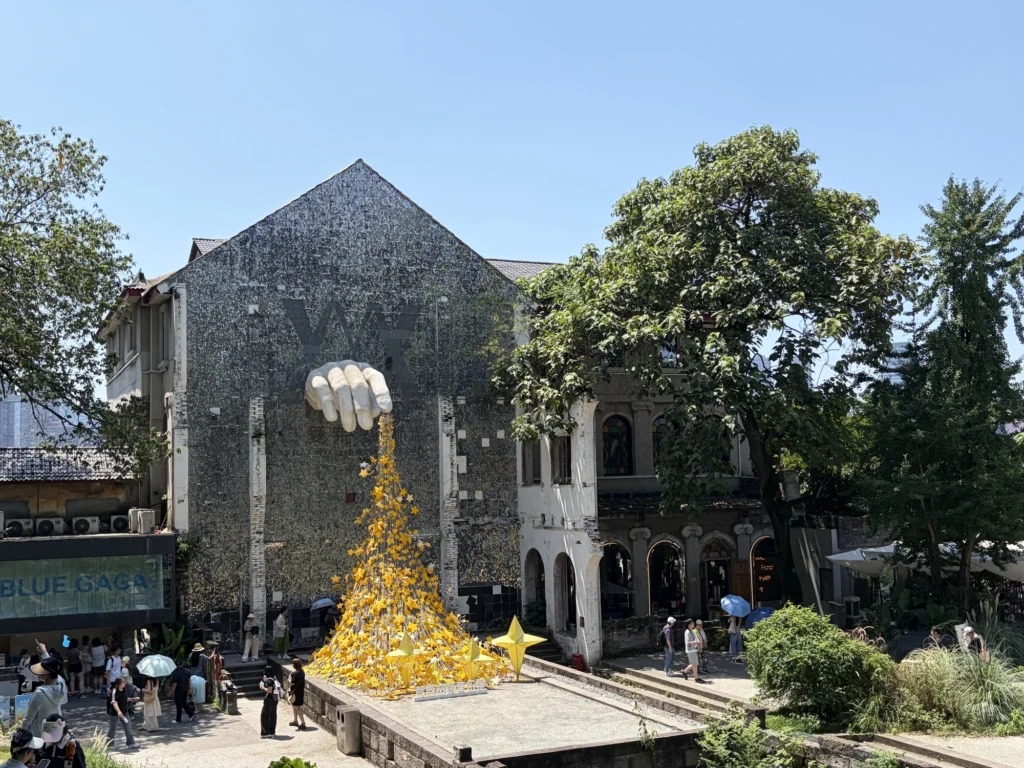
What to expect at Shibati
Since I had visited Mountain City Trail earlier that day, I started at the bottom of Shibati and took my time exploring as I made my way uphill.
Shibati feels much more commercial than Mountain City Trail. The main street is lined almost entirely with snack shops, stores selling local specialties, and gift shops, while the side lanes have plenty of places to sit outdoors over tea. You can hear vendors calling out all along the way, and the area is genuinely lively.
Still, Shibati is essentially a commercial street aimed at tourists. You’ll find much the same mix of businesses in tourist areas across China. The main difference here is what they sell: Chongqing snacks, hot pot soup base, traditional crafts associated with intangible cultural heritage, and Chongqing-themed gifts.
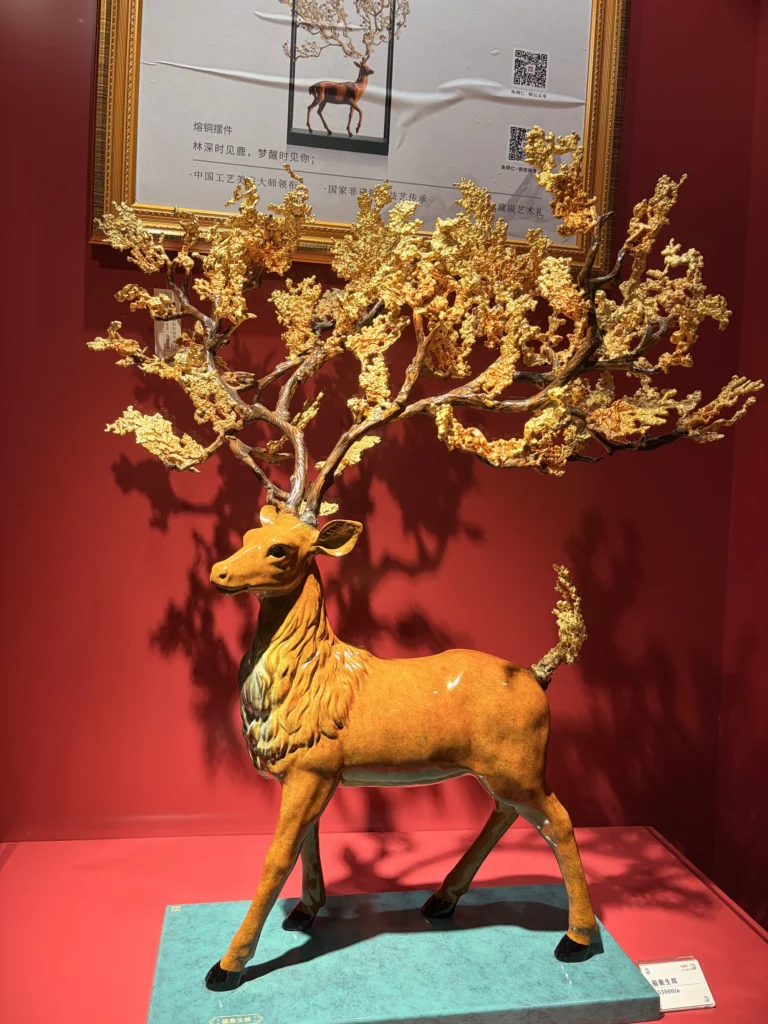
I didn’t think most of the shops were worth stopping to browse, so I mainly looked around as I walked and took in the lively street scene. One exception was the Zhu Bingren Art Museum.
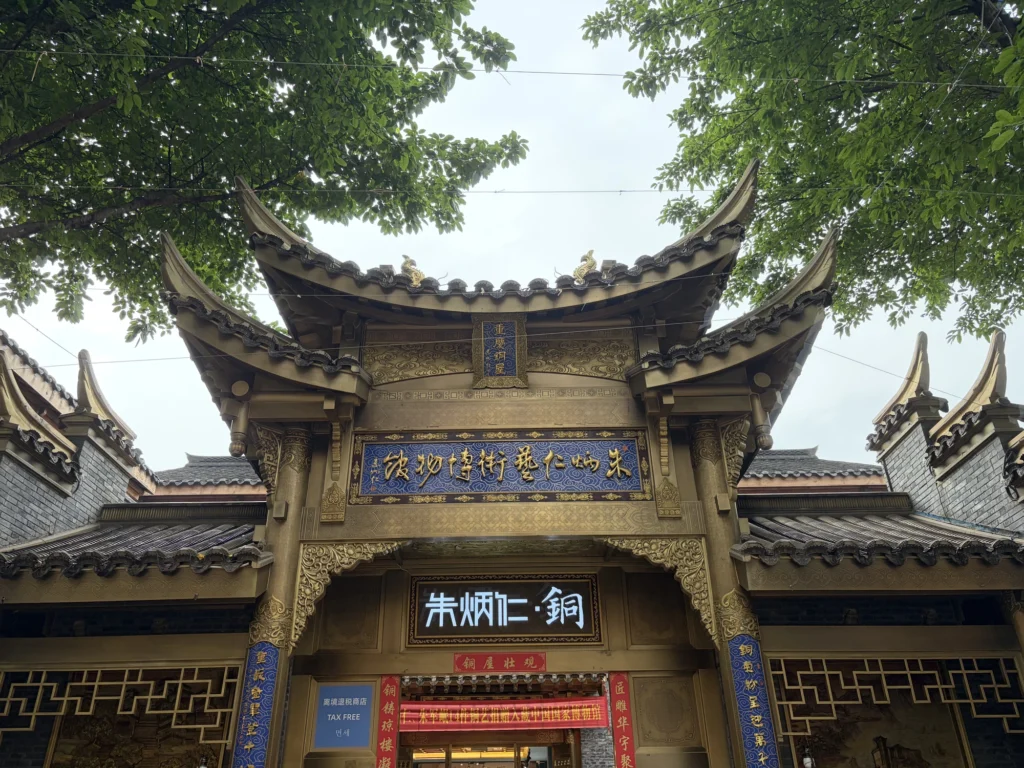
I had only meant to pop in for a quick look, but I ended up staying for quite a while.
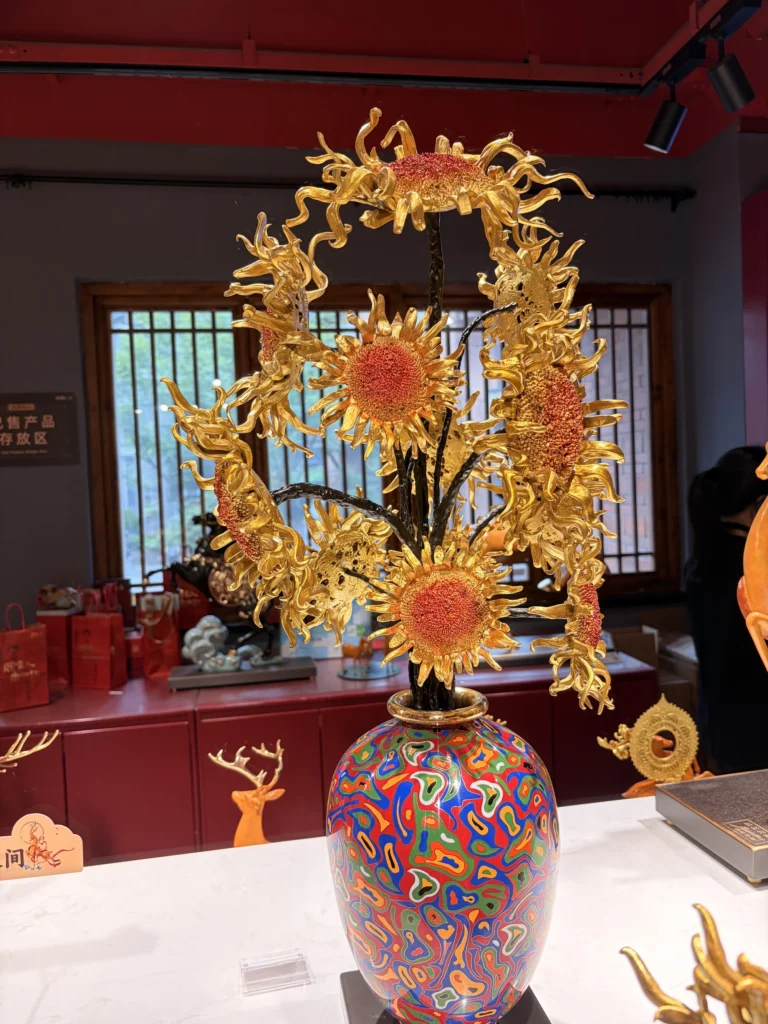
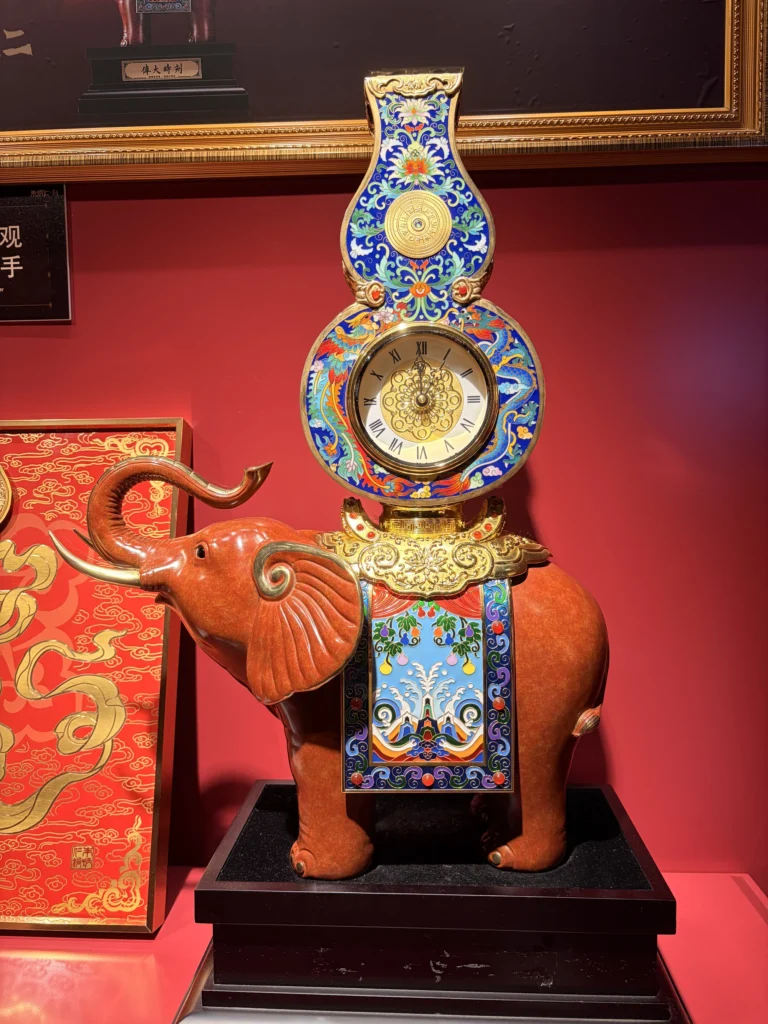
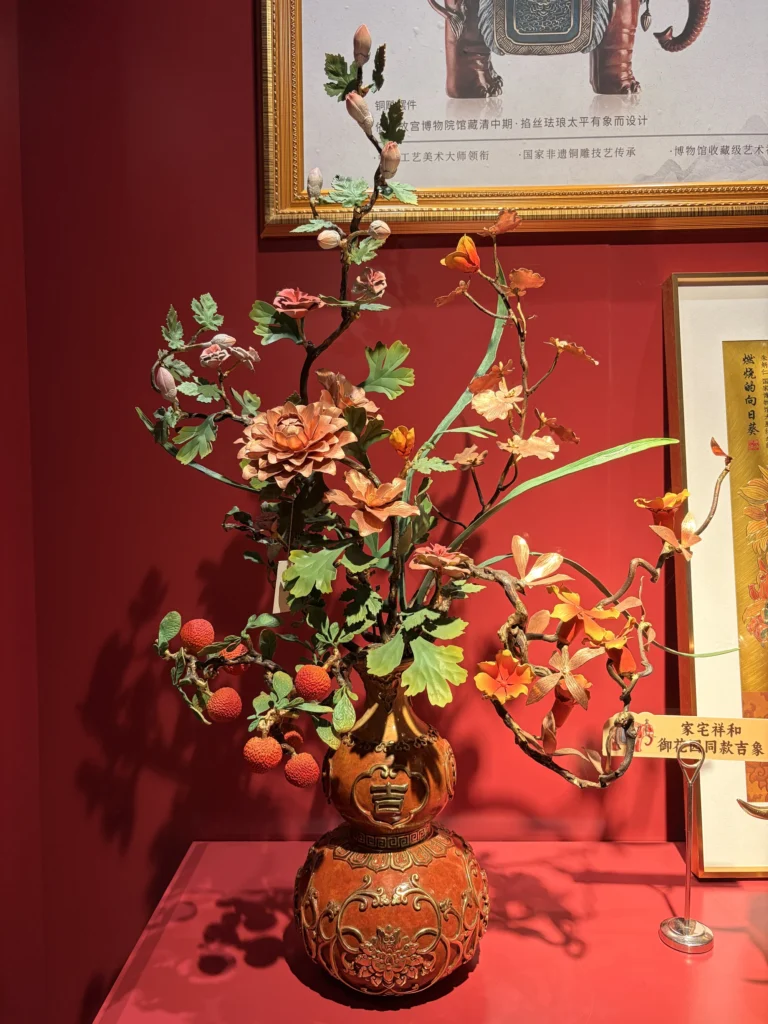
The museum isn’t very large, but it has plenty of copper art on display, from animals and flowers to ornaments and other decorative pieces. I had expected most of the pieces to have an antique bronze finish, but gold-toned and multicolored works were actually more common and more eye-catching.
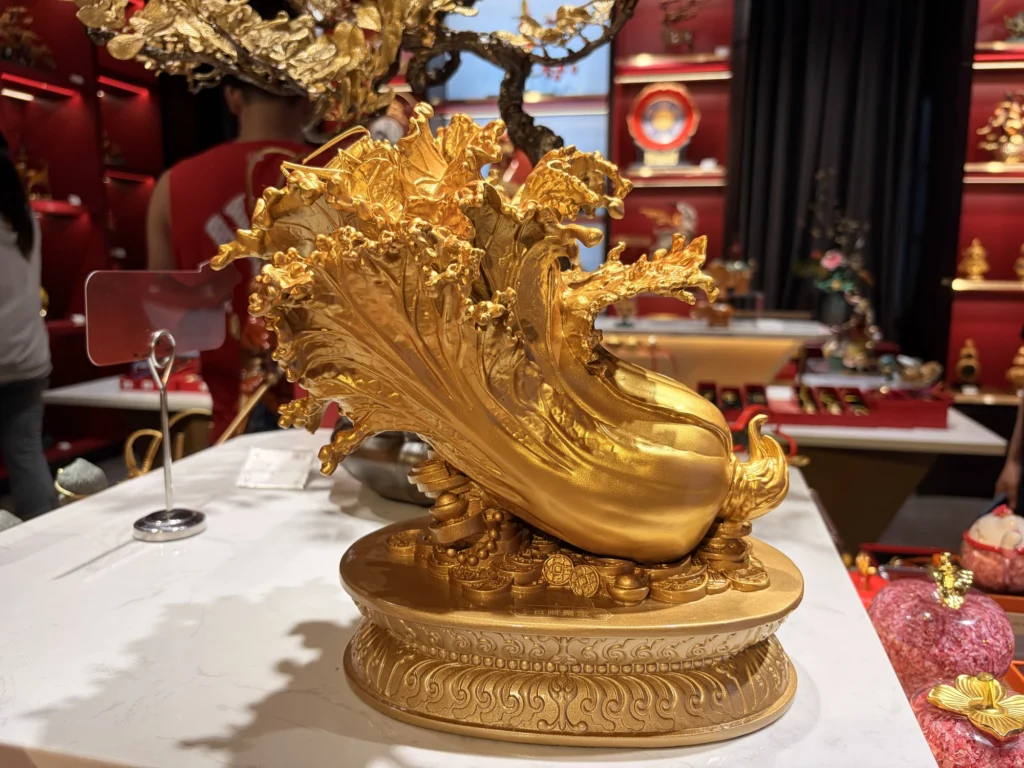
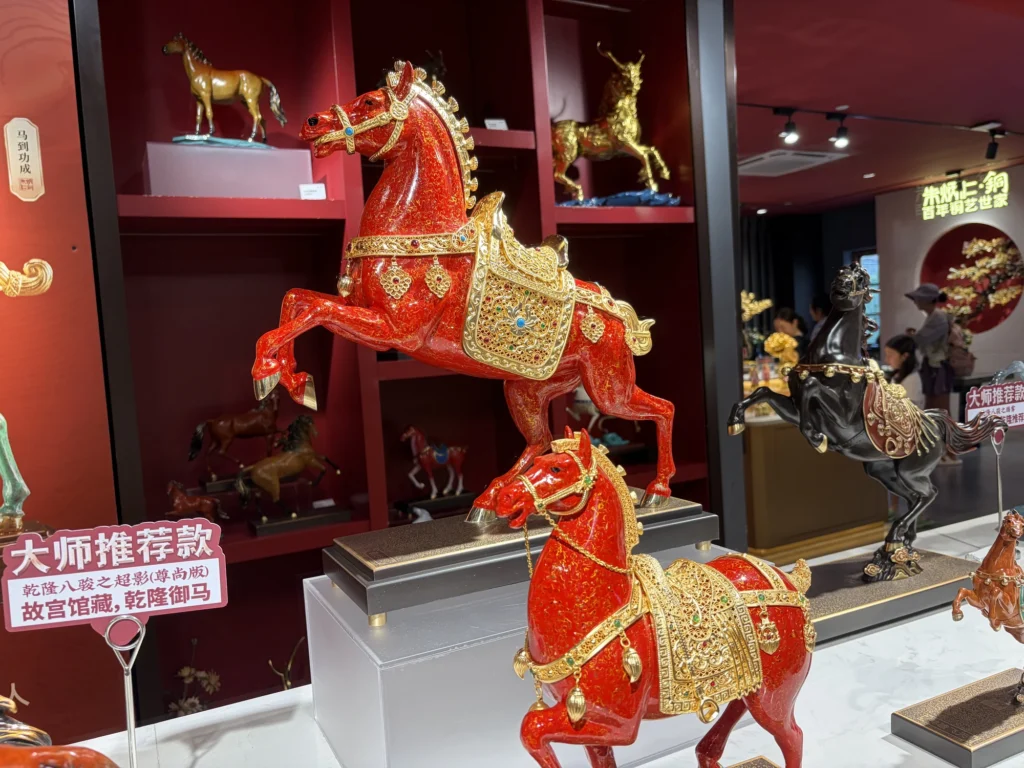
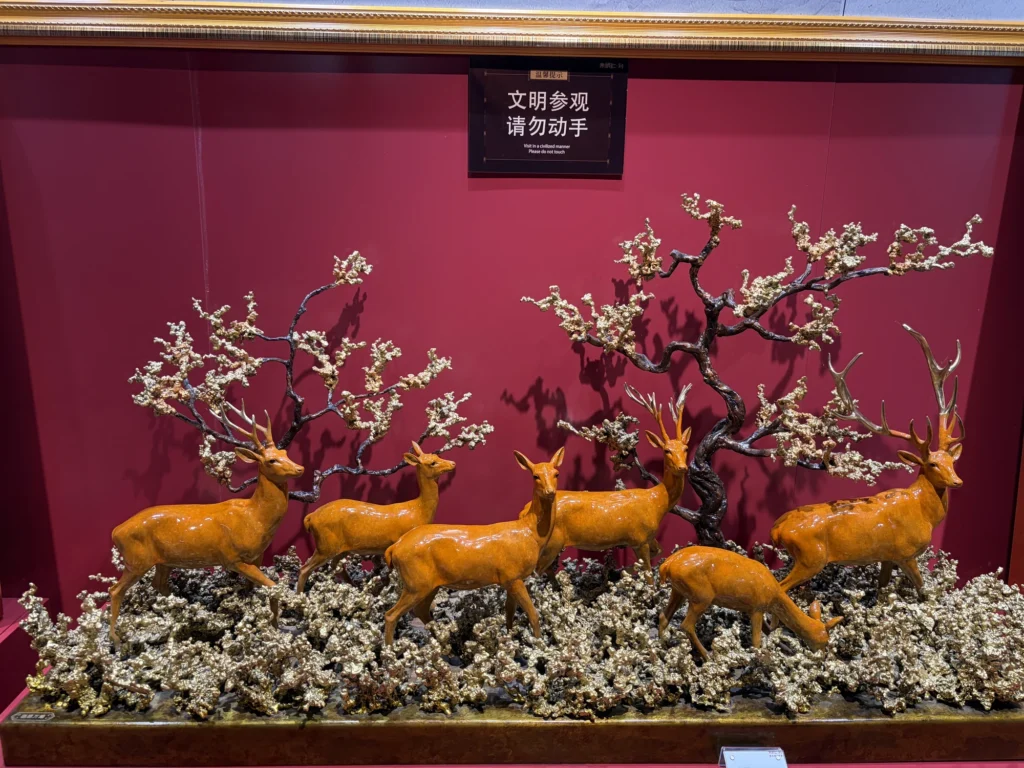
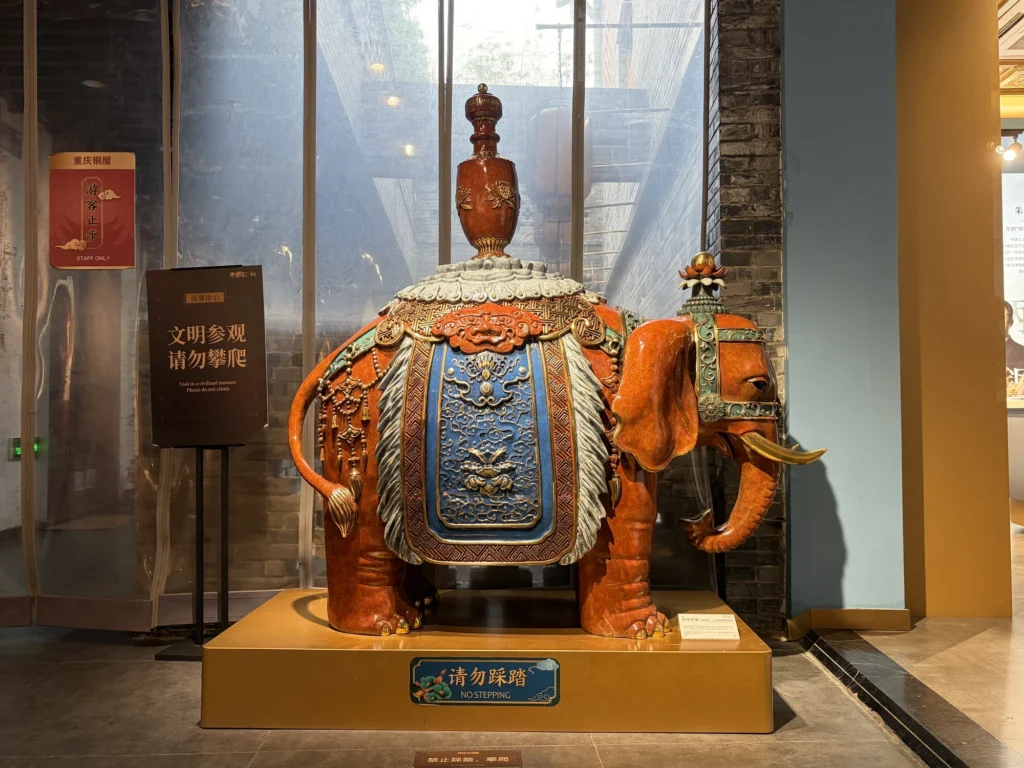
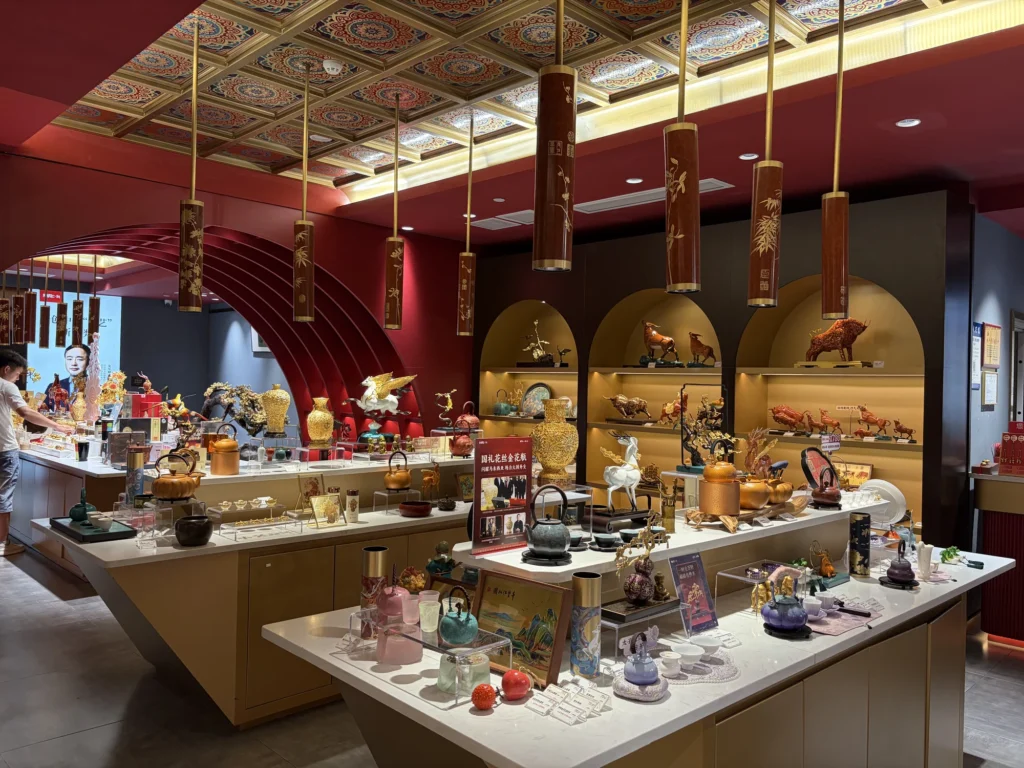
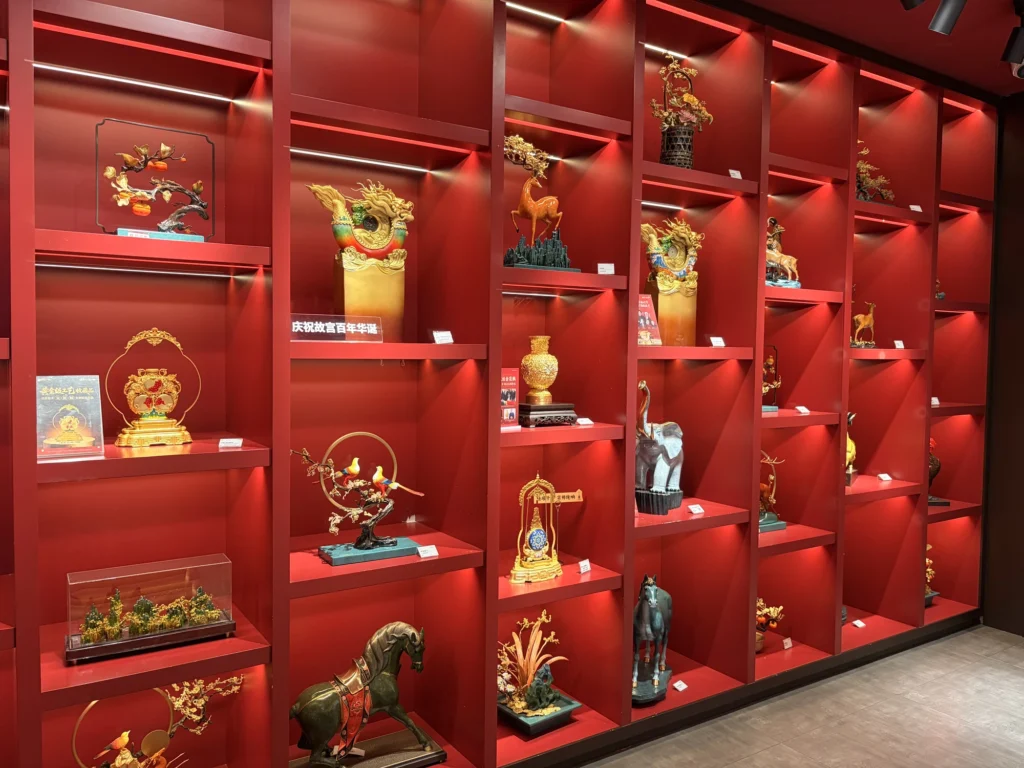
Even if you don’t know much about copper sculpture, you can still enjoy wandering around and taking in the pieces. I was happy to linger here longer than at many of the ordinary shops elsewhere in Shibati.
Continue uphill and you’ll come to Ancient Well Square. According to one widely circulated account, nearby residents once had to take an eighteen-step stone staircase to fetch water from the old well here. This is said to be how Shibati got its name.
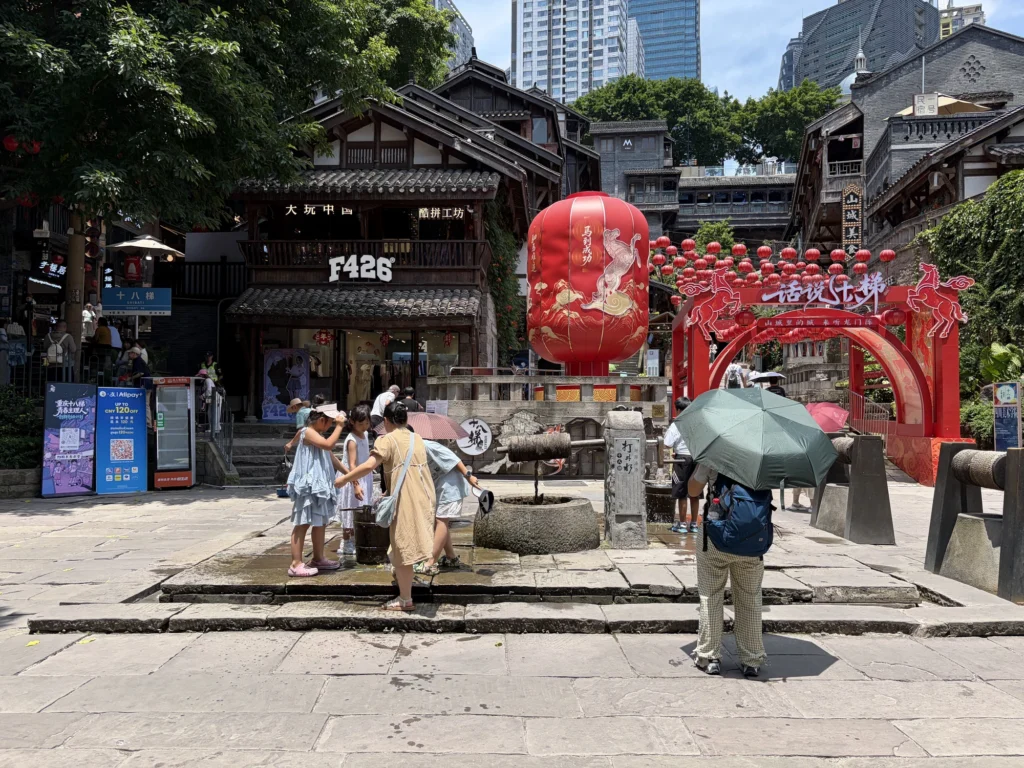
From Ancient Well Square, there are two ways up, and both lead to the viewing platform at the top.
Left: This route is all stone steps, and it is the one I prefer. To me, this stretch gives a better sense of Chongqing’s hillside terrain.
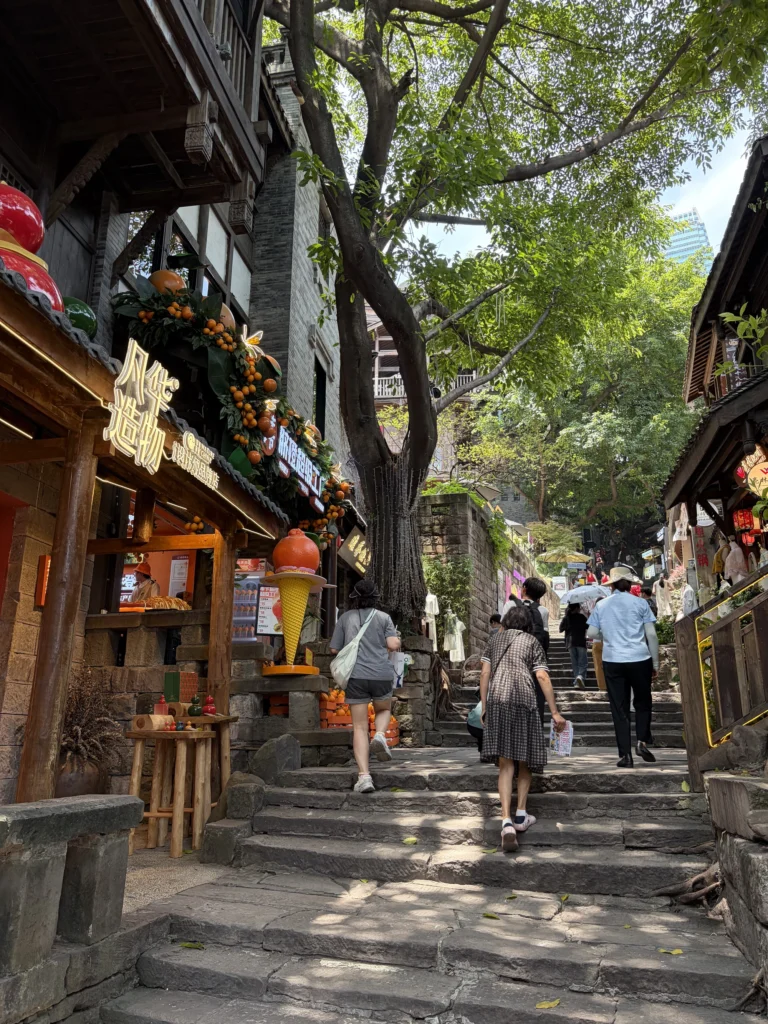
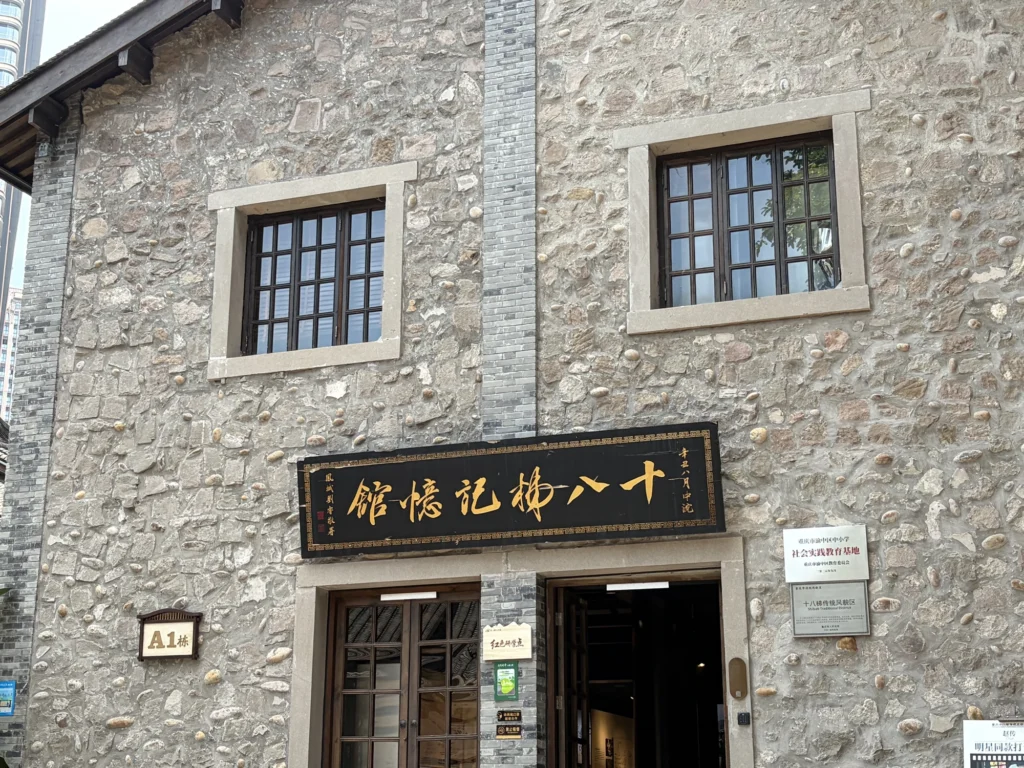
The Mountain City Memory Museum is also along this route. You can stop in to learn about Shibati’s old streets and lanes, how residents once lived, and how the area gradually became what it is today.
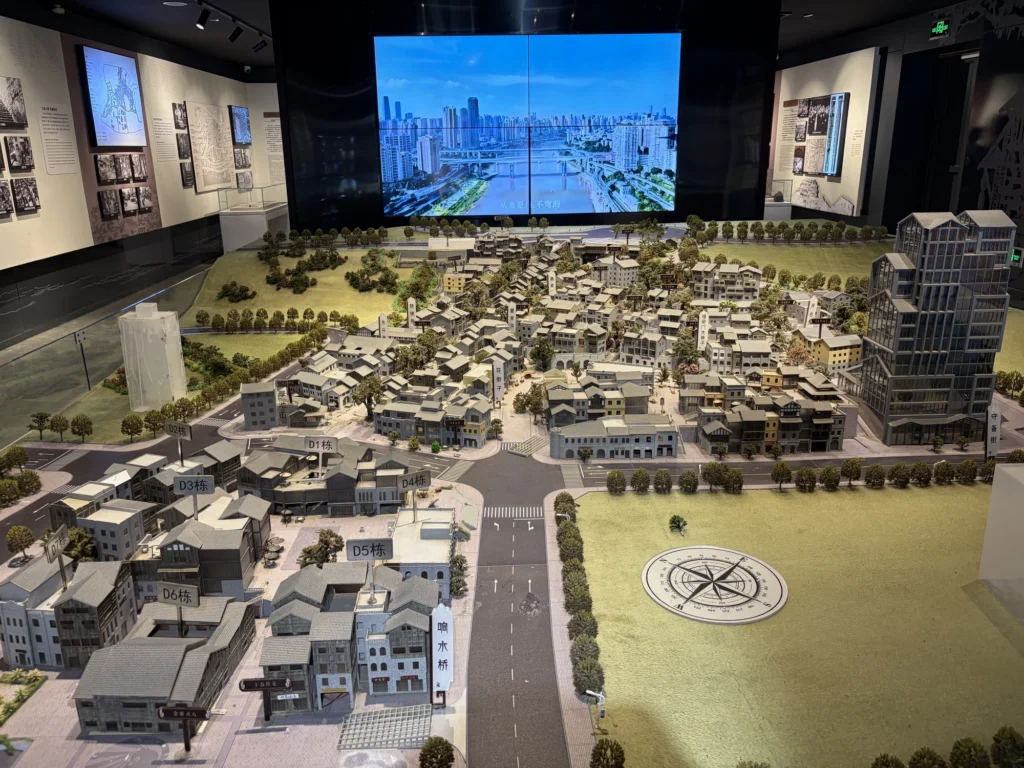
Right: This route passes the Shibati Tunnel Site. The exhibition hall was built at the original tunnel site and mainly covers the construction of Chongqing’s air-raid shelters during the Second Sino-Japanese War. After leaving the tunnel, continue uphill for a short distance to an escalator that leads to the viewing platform at the top.
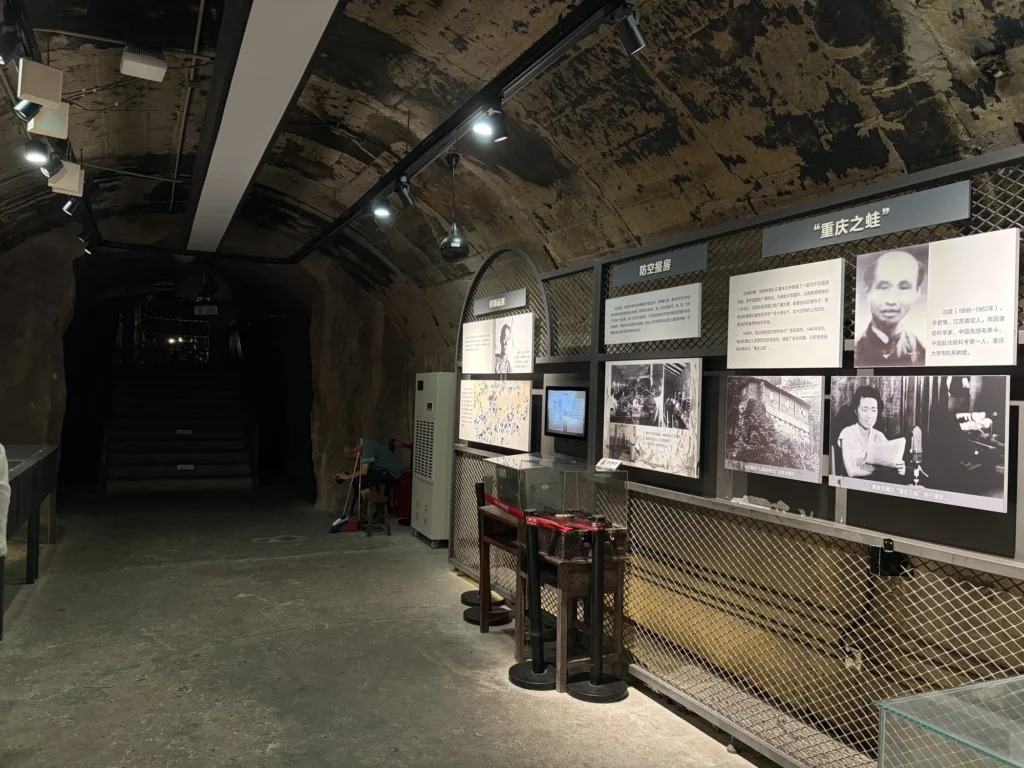
About an hour is enough to explore Shibati’s main street. But if you’re simply looking for somewhere to get a feel for old Chongqing, I would recommend Mountain City Trail instead.
At Shibati, most of the buildings you see today were built as part of the redevelopment, and the area feels more like a traditional-style district geared mainly toward shopping and tourism. There are relatively few places worth exploring in depth, and there isn’t much variety in the scenery along the way.
By comparison, Mountain City Trail has retained more of its old lanes and buildings. Along the way, you’ll also see the old city wall, stilt houses, a cliffside walkway, a church, and river views, so the walk feels more varied overall.·
If you only have time for one, I would choose Mountain City Trail. If you have more time, I’d suggest combining Shibati with Jiefangbei, Mountain City Trail, or Bayi Road Food Street in the same outing.