Guide to Ciqikou Ancient Town

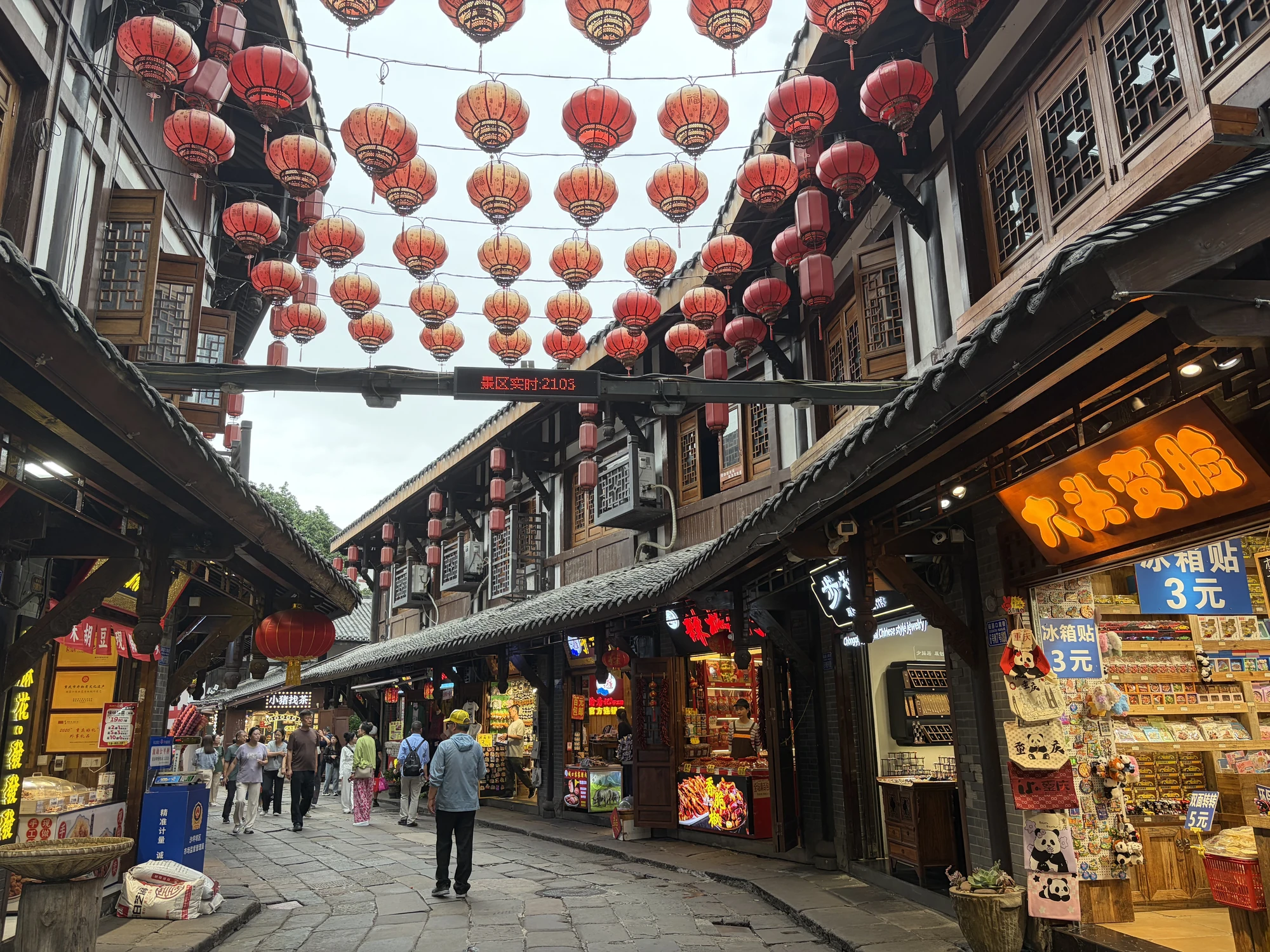
Ciqikou takes its name from the porcelain trade. Founded more than 1,000 years ago during the Song Dynasty, it is the largest, best-preserved, and most visited ancient town in Chongqing’s main urban area.
I first visited Ciqikou in 2017. It feels noticeably more commercial now, and a large new district has been built around the old town. The main street itself, however, has changed very little and still largely retains its old-town appearance. I’d set aside 2 to 3 hours for Ciqikou.
Getting there
The easiest way to get there is to take Metro Line 1 to Ciqikou Station.
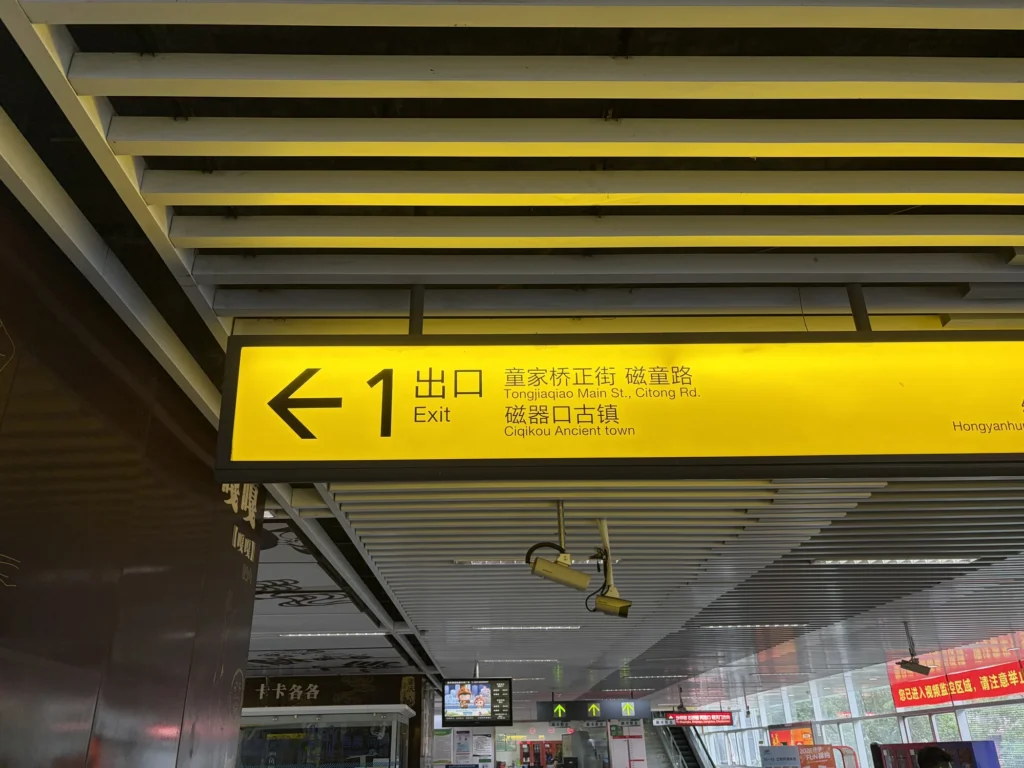
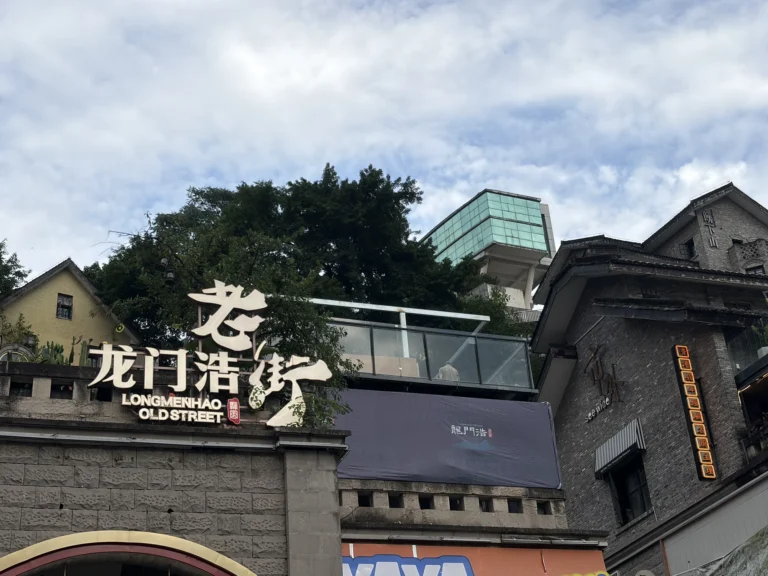
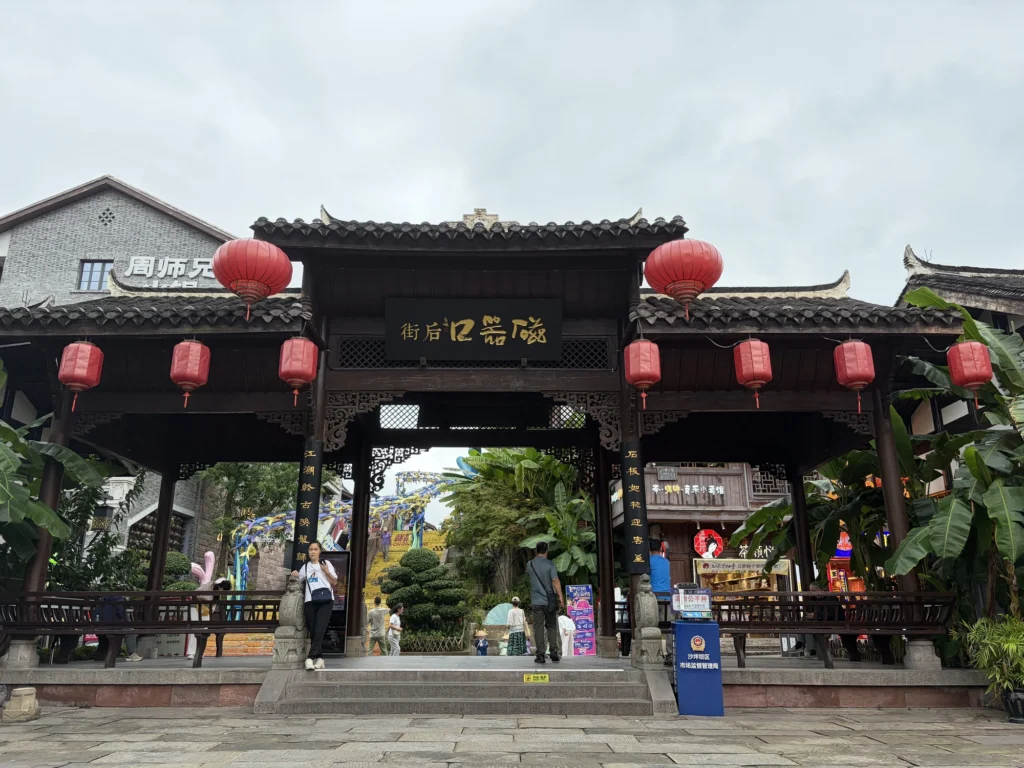
Leave through Exit 1, and after about 200 meters you will reach the entrance to Ciqikou Houjie (磁器口后街). This is part of the newer district built during the expansion.
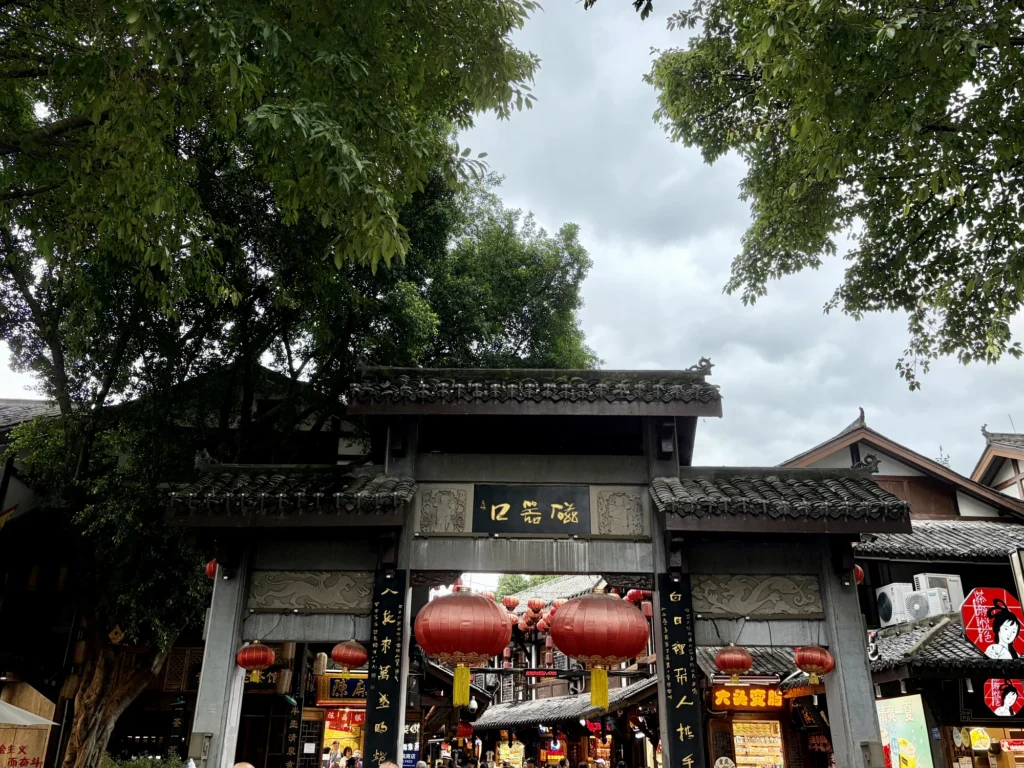
For the old main street, keep walking for another 500 meters or so to the Huangjueping archway (黄桷坪牌坊).
How to explore Ciqikou
Ciqikou has two main areas: the old main street and the newer Houjie area.
Houjie opened to the public after an expansion in 2021. Its streets are wider, flatter, and less crowded, but it does not have the same historic character as the main street. I only had a quick look around before heading to the main street.
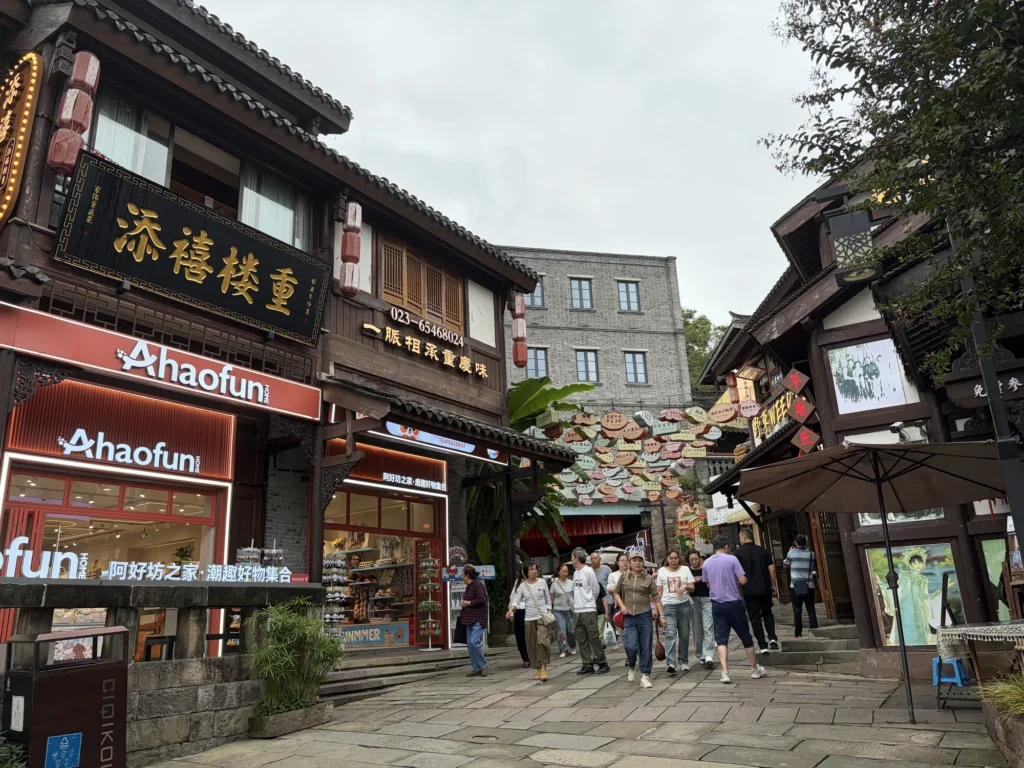
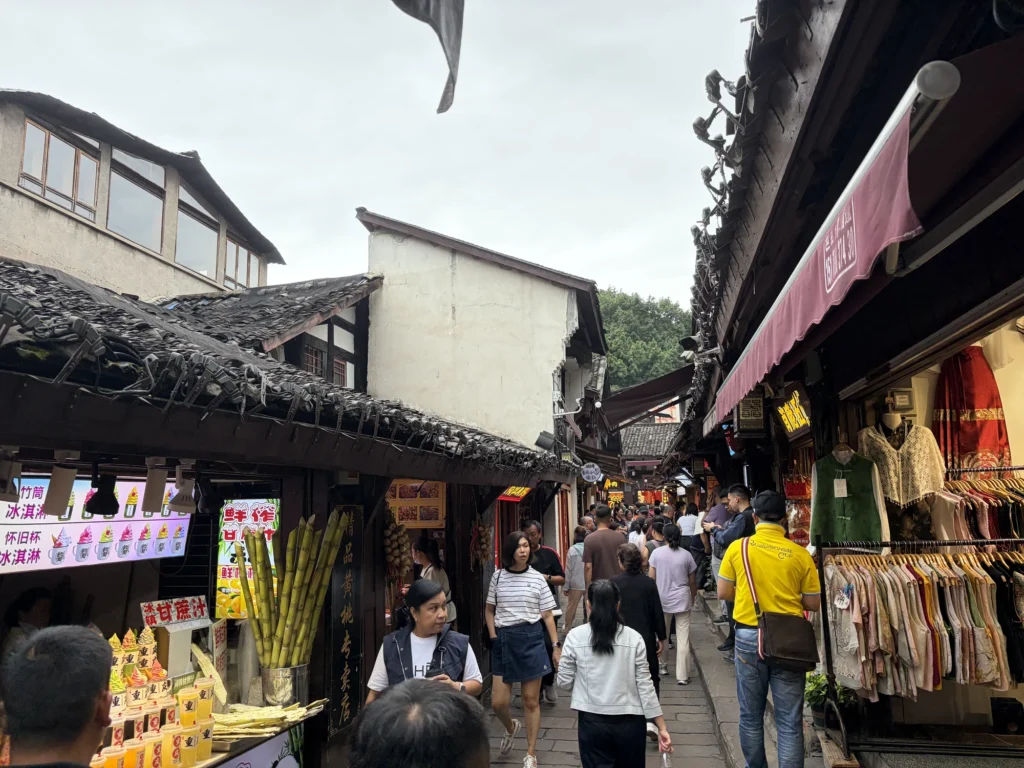
The main street is much busier, filled with conversations, vendors calling out, and music from the shops. If you do not want to come away with the impression that Ciqikou is too commercialized, you can follow my route and deliberately look for traces of the old Ciqikou.
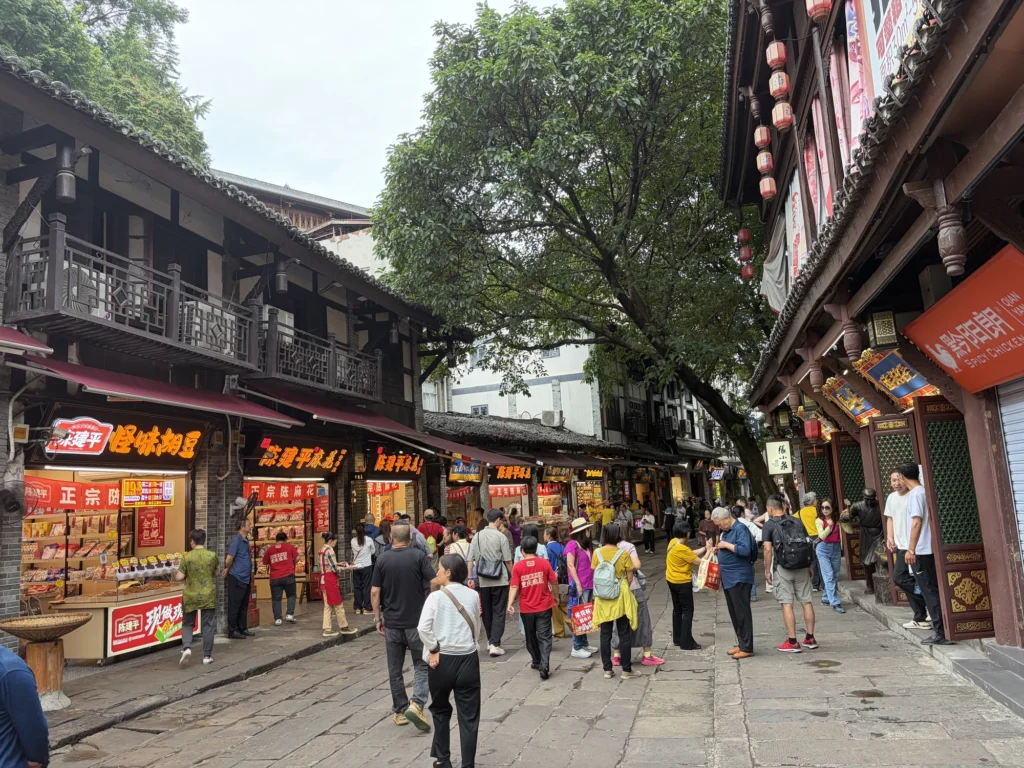
Houjie connects directly with the main street, but I deliberately walked back out and entered through the Huangjueping archway instead.
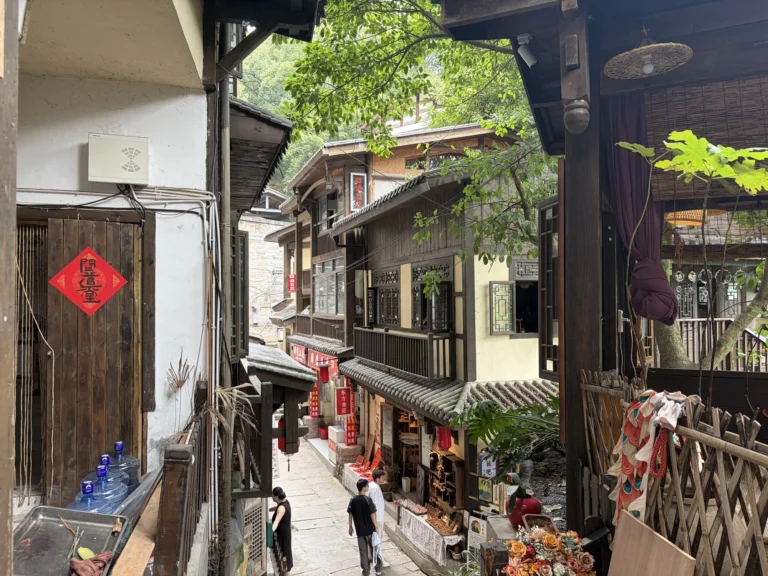
One reason is simply habit. Every time I visited Ciqikou in the past, this was where I started. The other reason is that this entrance leads straight into a narrow lane lined with old houses. The eaves hang low enough to touch, and even the stones used as foundations have been rounded by years of wind and rain. Together, these details make the age of Ciqikou impossible to miss.
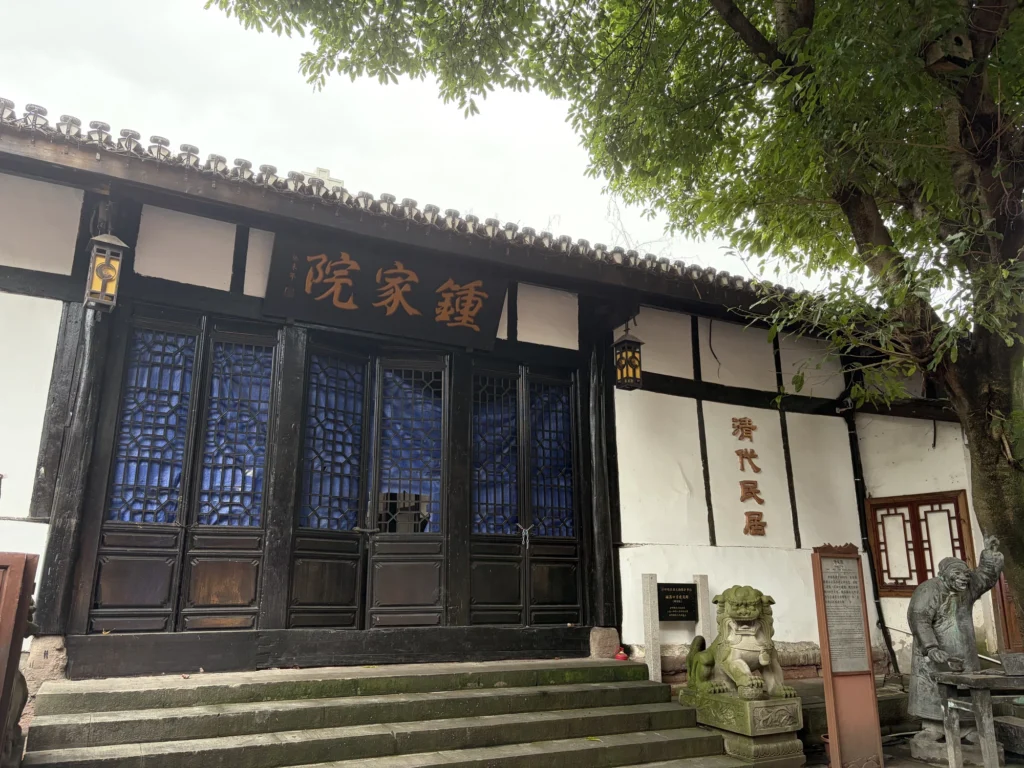
Near the beginning of the lane is Zhongjia Yuan (钟家院), a Qing Dynasty residence that once belonged to Zhong Yunting, who handled external purchasing for Empress Dowager Cixi. Unfortunately, it was not open when I visited.
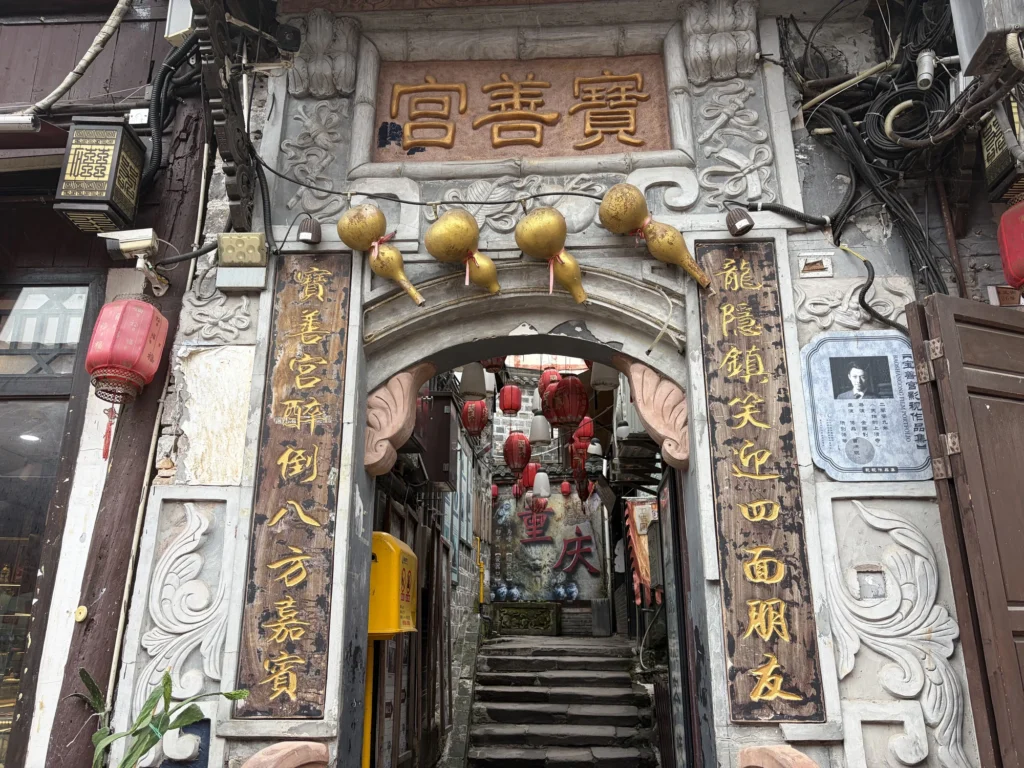
At the end of the lane, head a short distance ahead and to the left, and you will find a rather easy-to-miss stone gate marked “宝善宫” (Baoshan Gong). It was originally a Taoist temple before being converted into a school in the 1940s. Nobel Prize-winning physicist Samuel C. C. Ting once studied here.
There is a Samuel C. C. Ting exhibition hall inside, but that was closed as well. I could see part of the courtyard through a gap in the gate. It looked somewhat untidy and gave the impression that the site had not been open regularly for some time.
Back on the main street, be sure to pick up some Chen mahua (陈麻花) to try, the crisp fried dough twists Ciqikou is known for. They are nothing like the very hard kind of mahua that takes some effort to bite through. I do not normally like mahua at all, yet I buy some every time I come here.
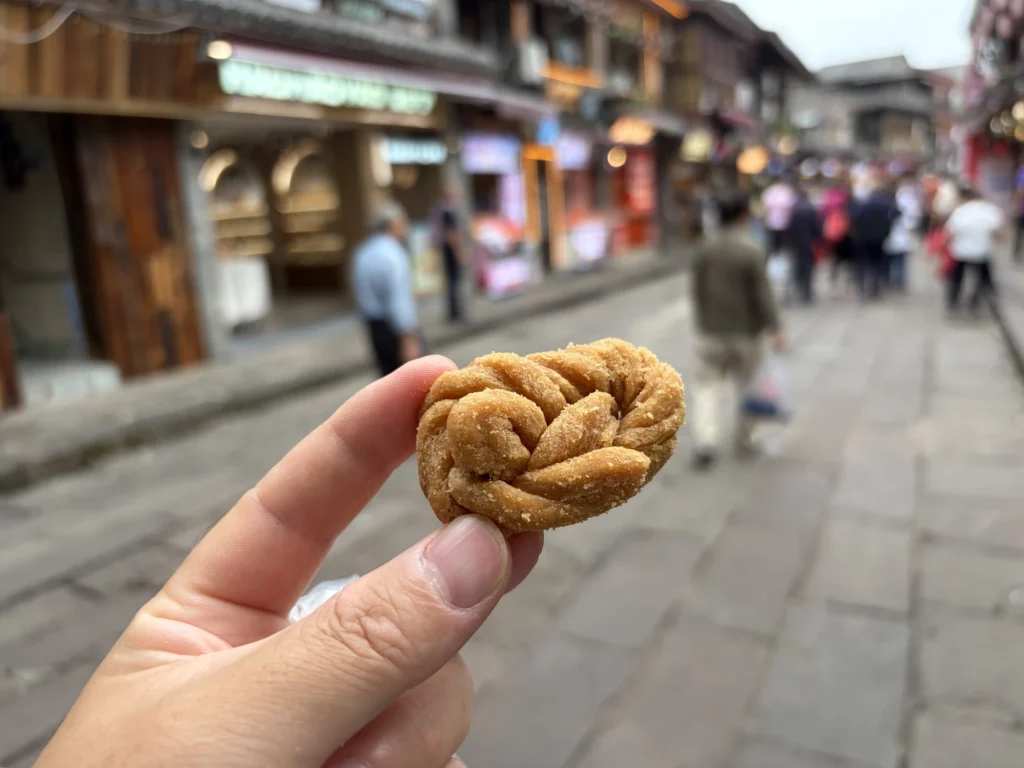
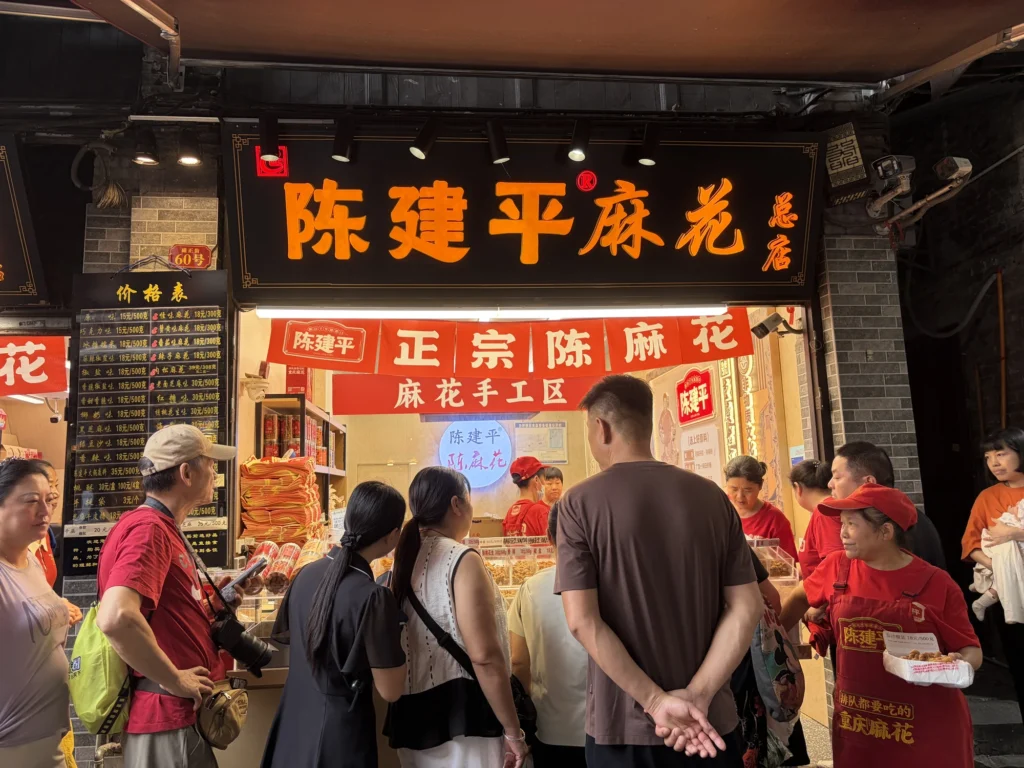
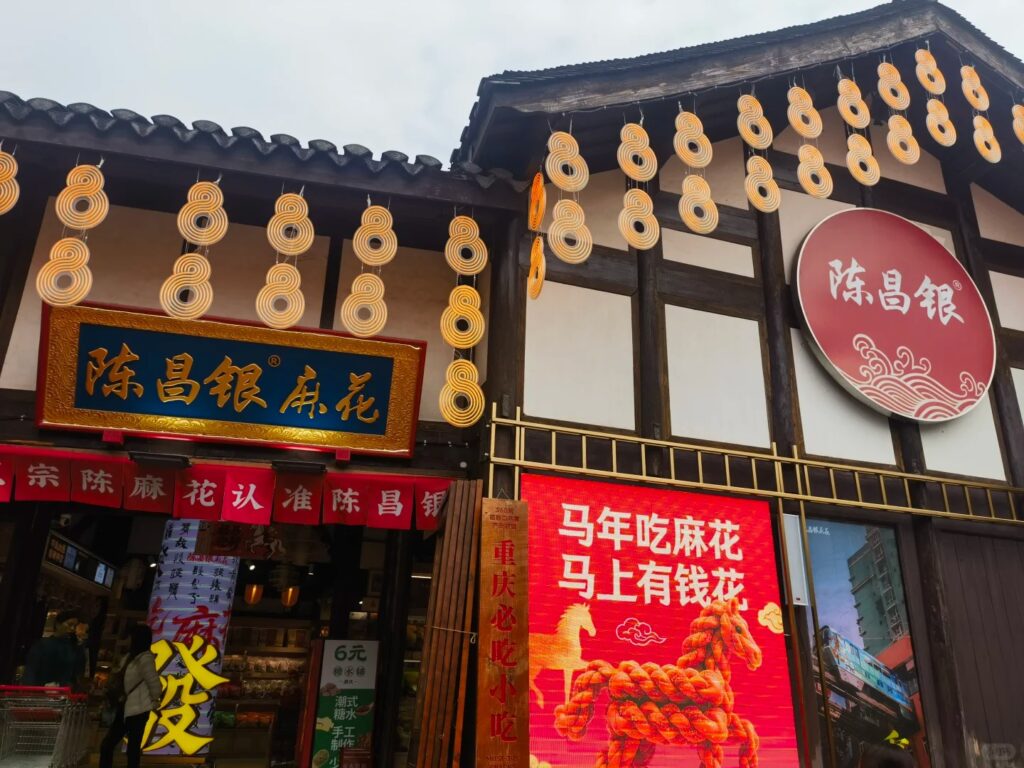
There are, however, plenty of shops selling their mahua as “Chen mahua”. The most authentic is Chen Changyin (陈昌银), whose history dates back to 1907, and I buy from them every time I visit Ciqikou. These days, Chen Jianping (陈建平) shops are more common. I was not paying attention this time and ended up buying from Chen Jianping instead. Fortunately, the two tasted much the same.
 陳建平 Chen Jianping
- 陳昌銀 Chen Changyin
Keep going along the main street and you will soon reach Baolun Temple (宝轮寺). According to tradition, it was founded more than 1,300 years ago during the Tang Dynasty.
Zhu Yunwen, the second emperor of the Ming Dynasty, is said to have lived here in hiding after his uncle Zhu Di seized the throne. This is why the temple is also known as Longyin Temple, or “Dragon Hidden Temple”. In imperial China, emperors regarded themselves as incarnations of the dragon, and Ciqikou itself was once known as Longyin Town.
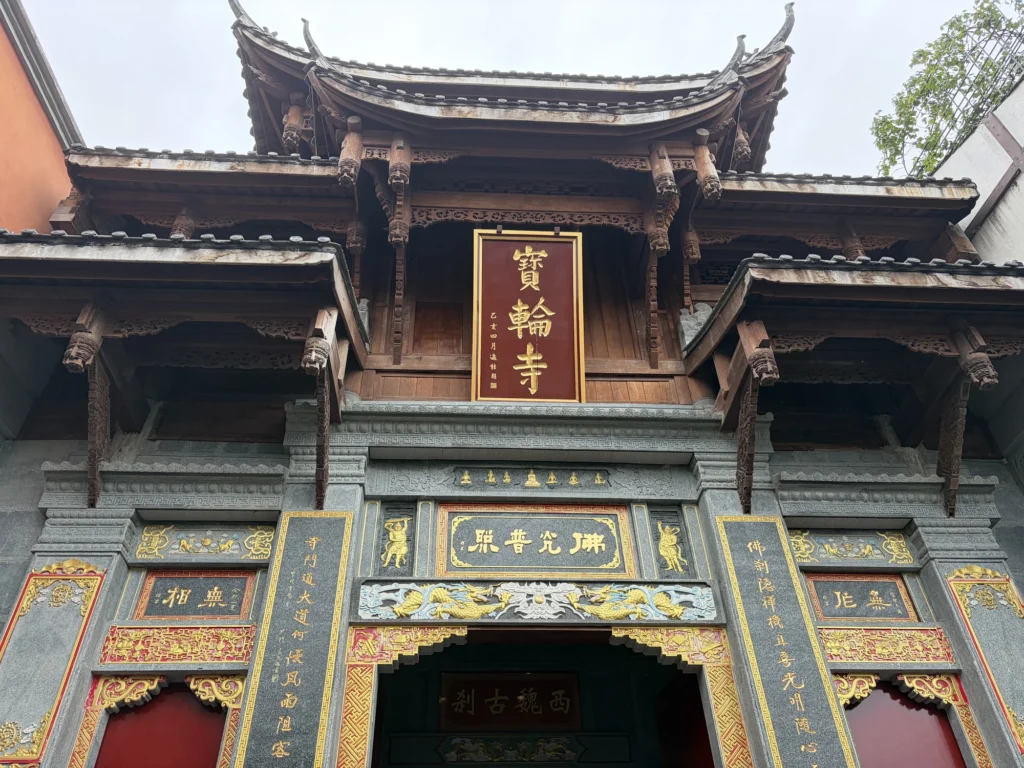
The street was packed with visitors, but inside the temple there were only a handful of worshippers burning incense, paying their respects to the Buddha, and praying for peace and safety.
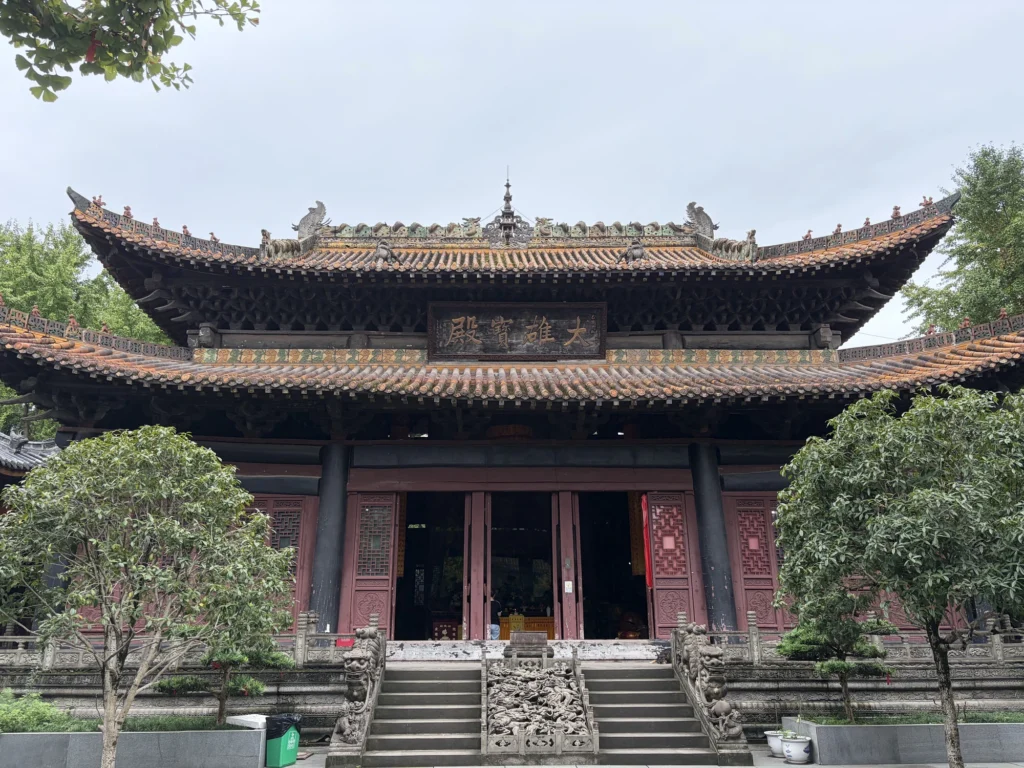
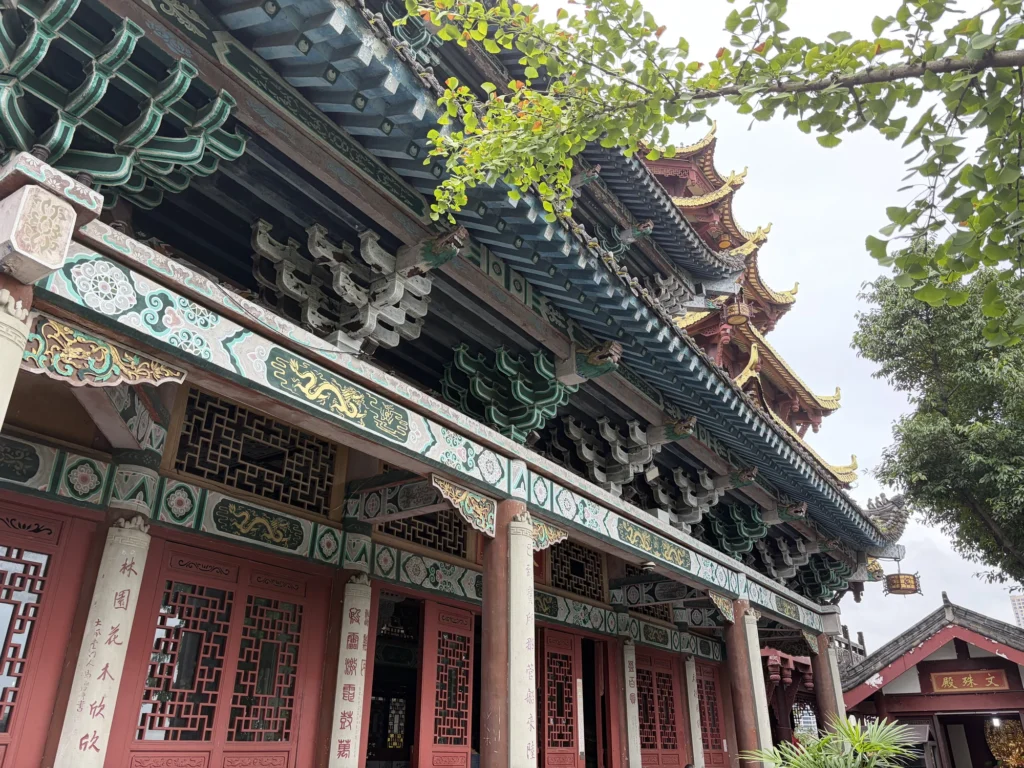
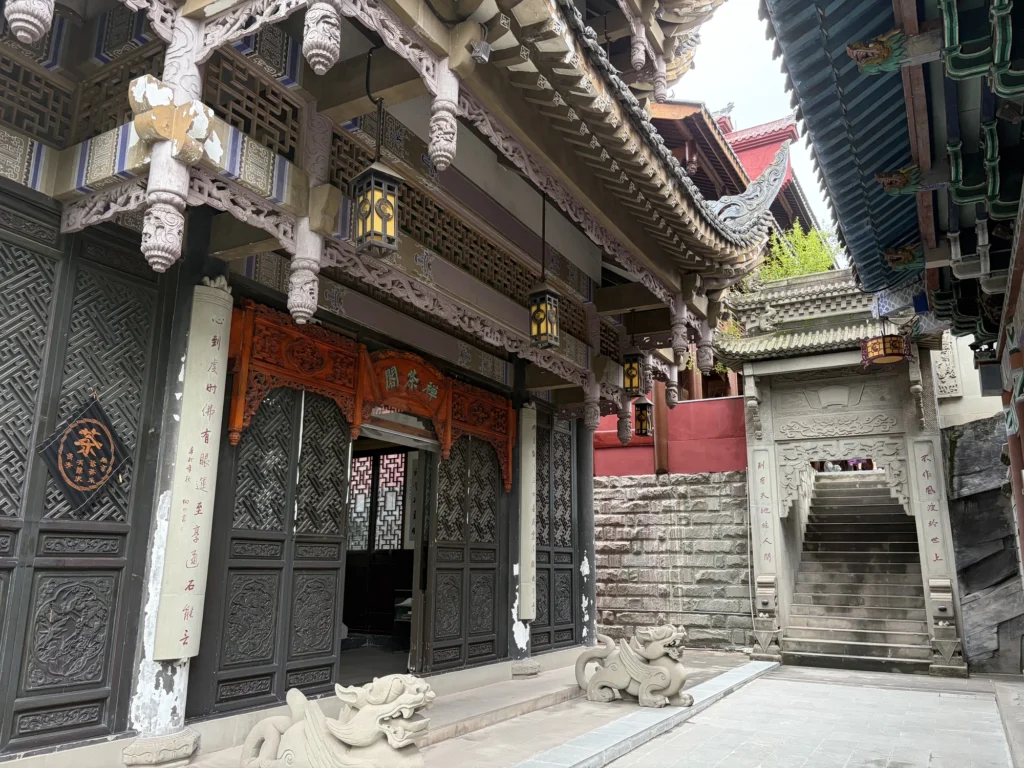
As a Buddhist myself, I went in to pay my respects. What I hadn’t expected was a free vegetarian meal, and I happened to arrive just in time for it. You serve yourself as much as you want, then wash your own bowl and chopsticks when you are finished. The meal is served beside the main hall at around 11:30 every day.
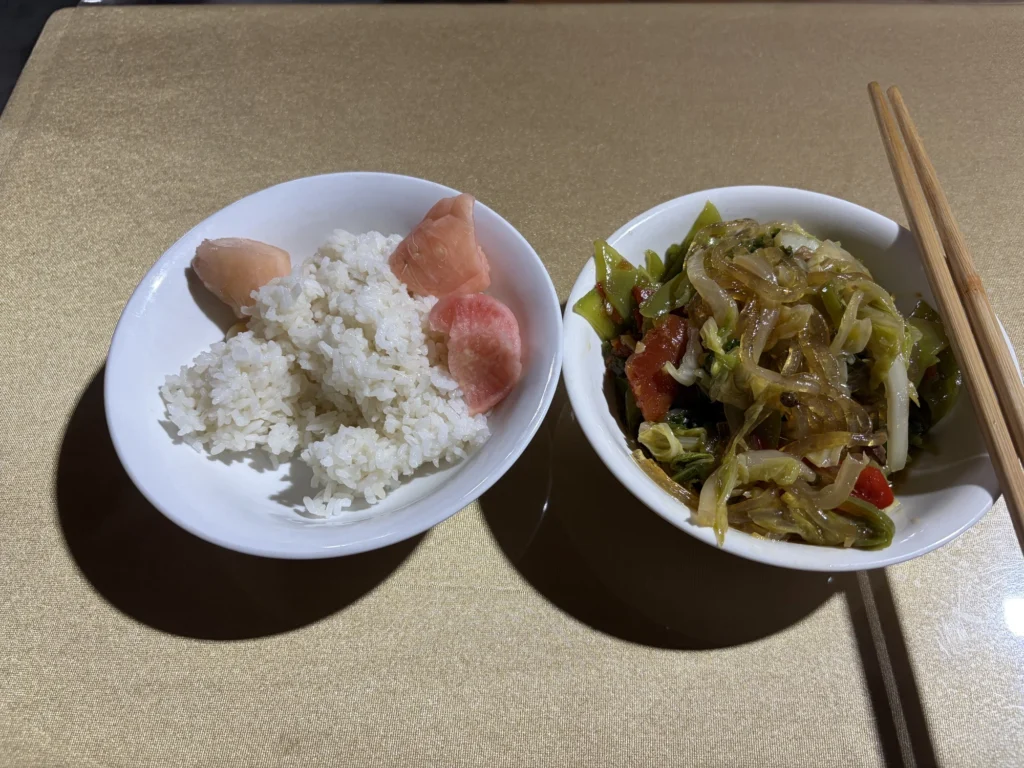
Baolun Temple is close to the end of the main street, and Ciqikou Wharf (磁器口码头) is only a short walk beyond it.
At the wharf, you can catch a sightseeing boat running between Ciqikou and Hongyadong. A one-way ticket costs RMB 30, and you can buy one through WeChat or directly at the wharf. The trip takes about one hour. Boats operate from 10:00 to 17:00 daily, with departures roughly every one to one and a half hours.
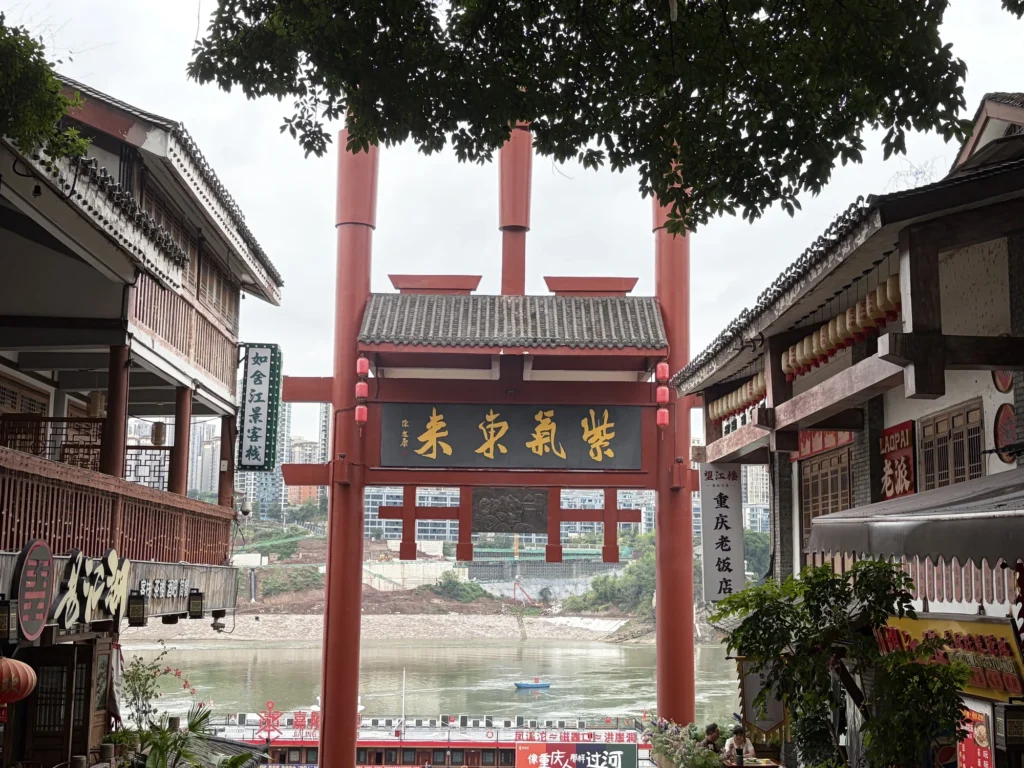
I happened to be heading to Jiefangbei that day, so I bought a ticket and tried the boat while I was at it.
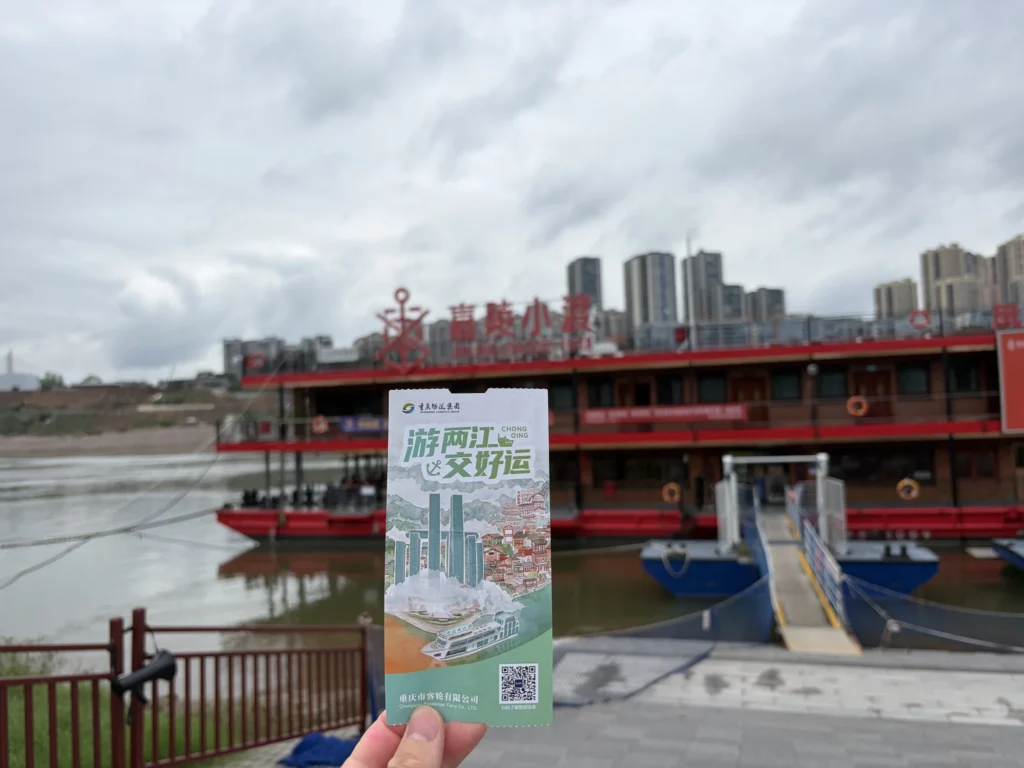
The boat has two levels. The lower deck is enclosed, while the upper deck is open to the air. When the sun is not too strong, sitting outside with the river breeze is far more comfortable than staying inside the cabin.
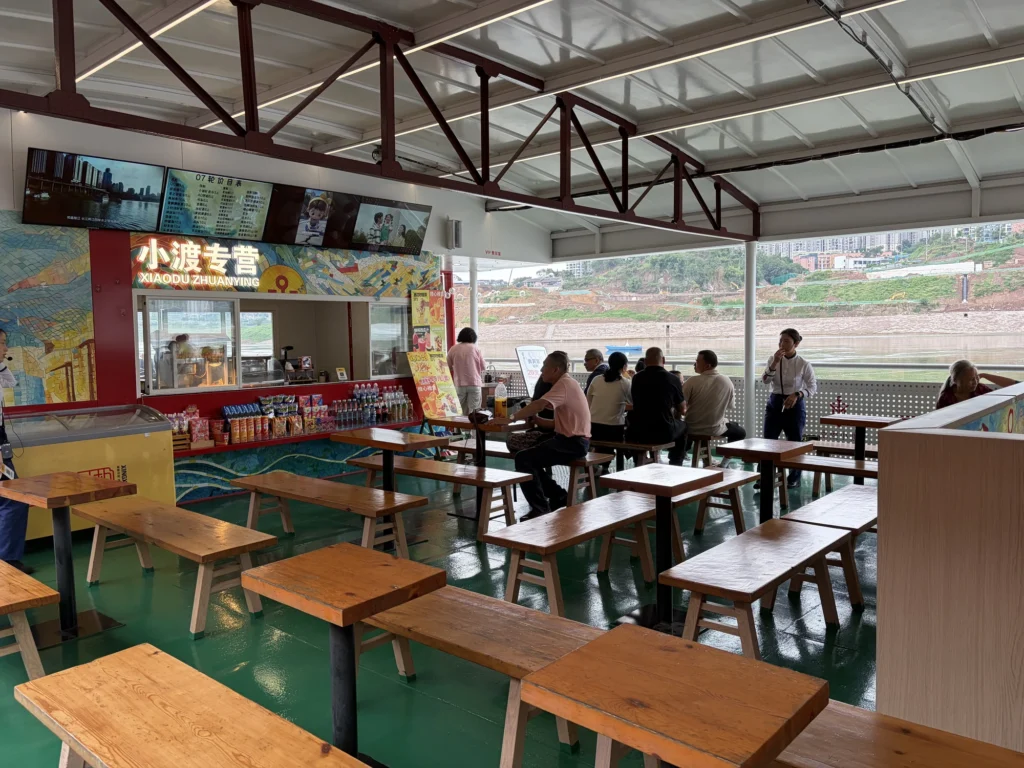
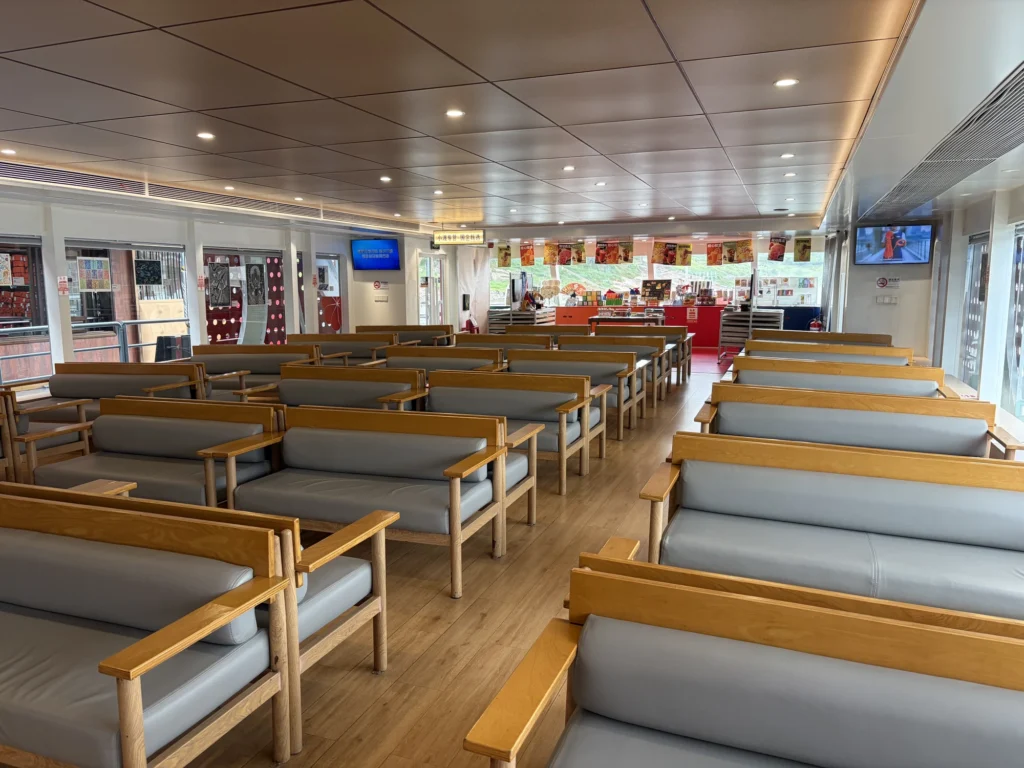
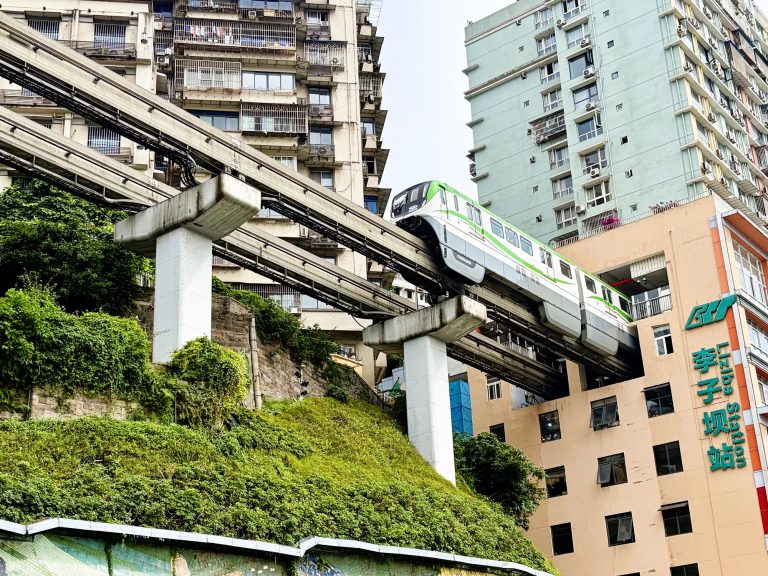
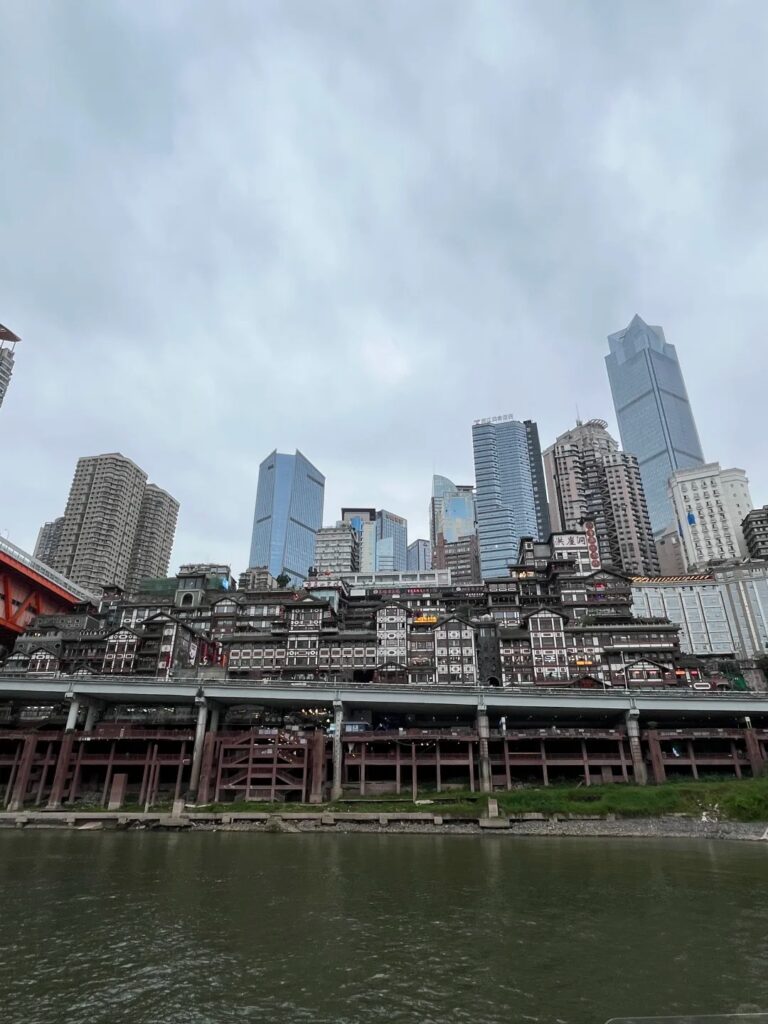
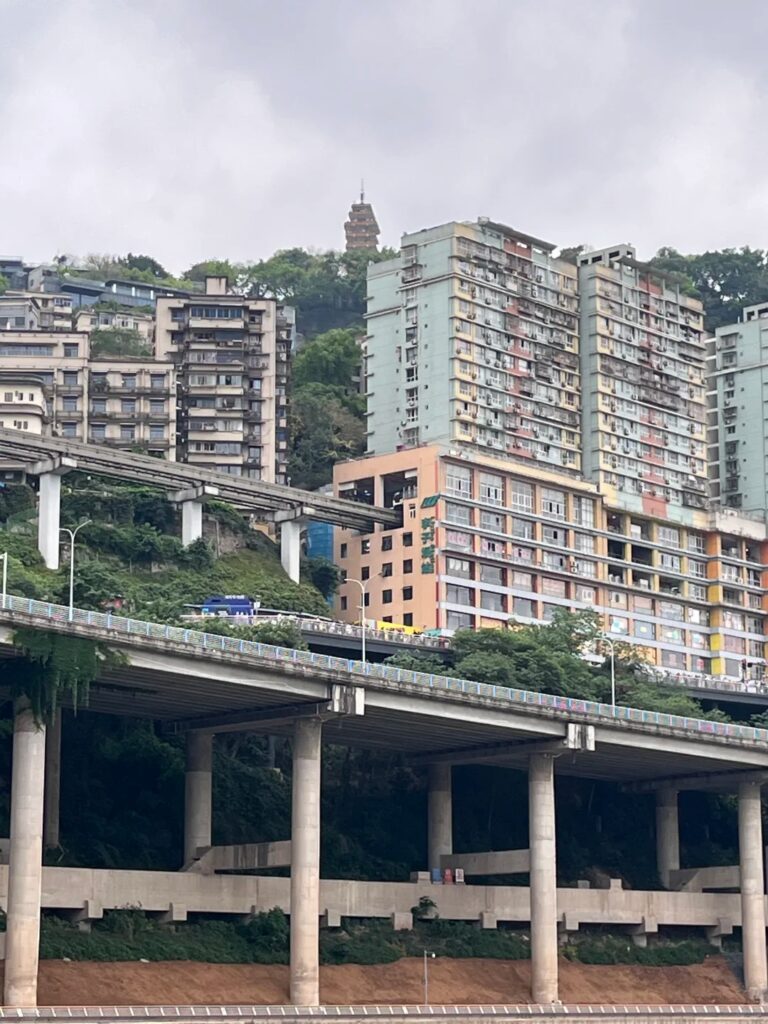
Along the way, the boat passes Chongqing University, Chongqing International Land-Sea Center, the tallest building in Chongqing, Liziba, Jiangbeizui CBD, and Hongyadong. For RMB 30, I thought the ride was well worth it.
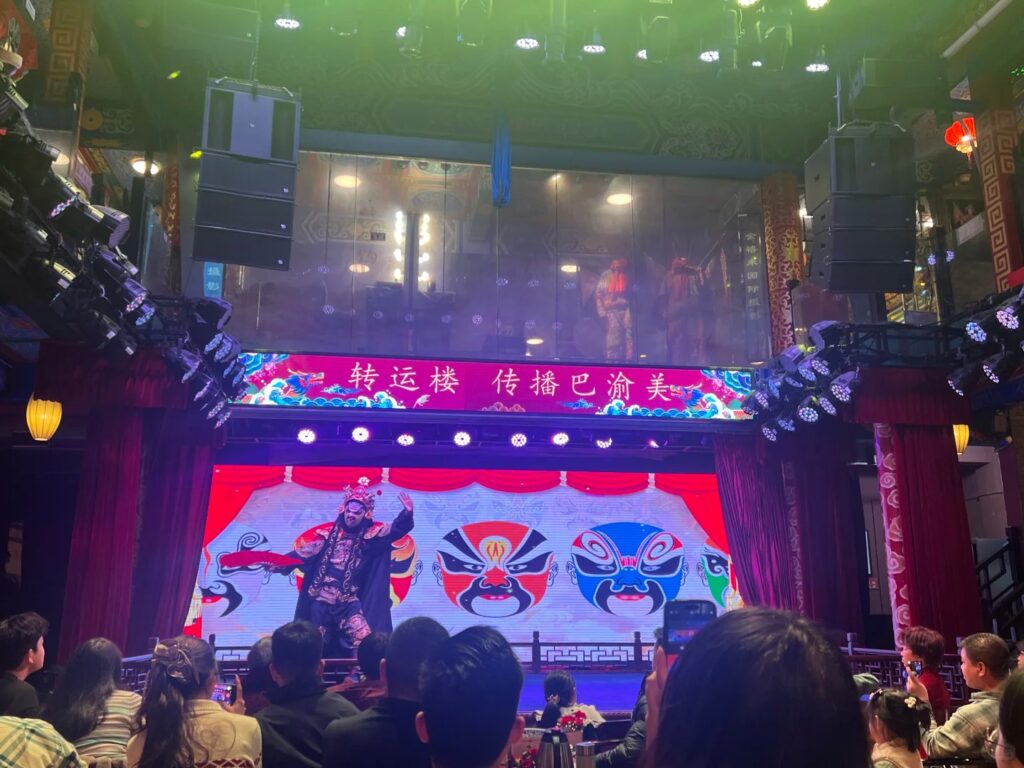
There are also plenty of teahouses along the main street, some with Sichuan Opera face-changing performances. If your legs need a rest, or you want to experience a traditional Chongqing teahouse, you can pick one and sit for a while.
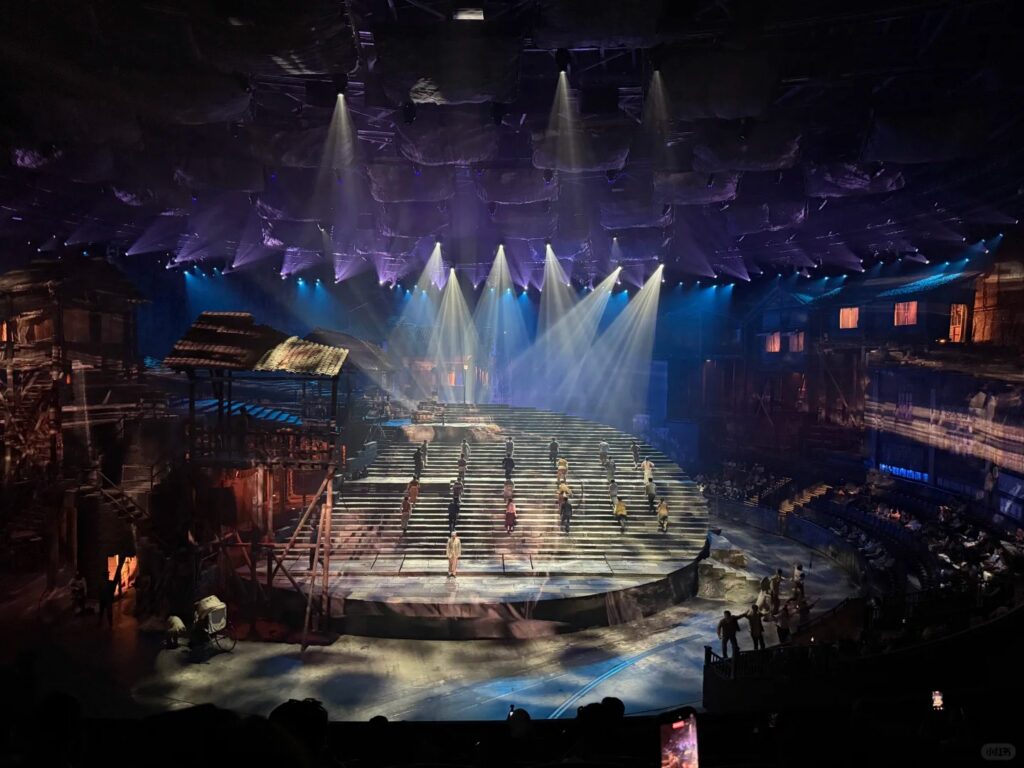
Another option is Chongqing 1949, a large-scale stage show in Ciqikou. It gets plenty of positive reviews, but I did not have enough time to see it on this visit.
The story is set in Chongqing in late 1949, during the final stage of the Chinese Civil War. Zhazidong and Baigongguan were prisons where Communist Party members and other political prisoners were held, and many were executed shortly before Communist forces took the city.
Using a rotating stage and moving audience sections, the show recreates this period of Chongqing’s history. The performance lasts 75 minutes.