Stilwell Museum Chongqing: What to See, Admission & Getting There

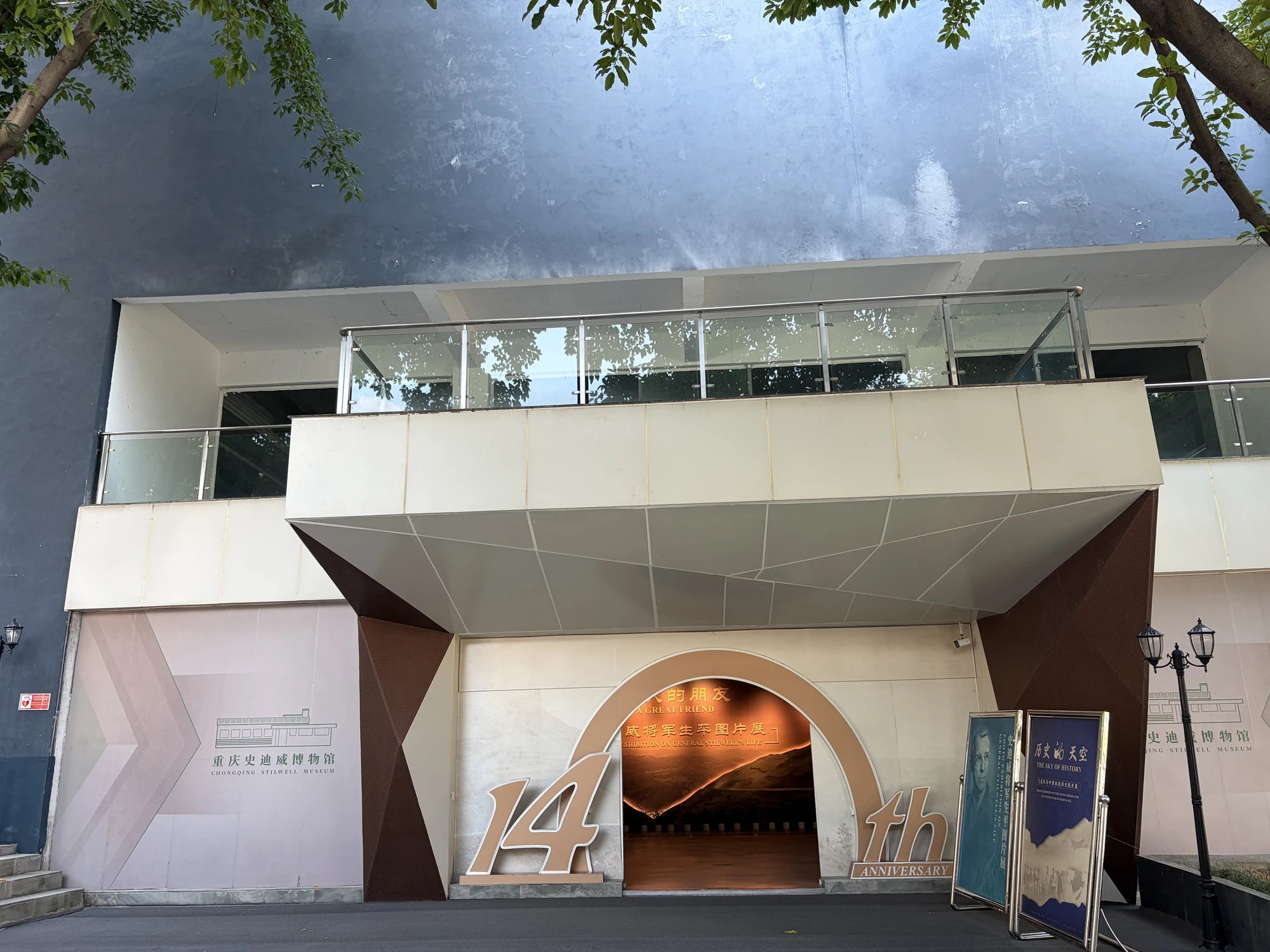
During World War II, Joseph Stilwell served as Chief of Staff of the China Theater and commander of U.S. forces in the China-Burma-India Theater, among other roles. The present-day Stilwell Museum was created around the house where he lived and worked in Chongqing.
If you are interested in Sino-American military cooperation during World War II, the Flying Tigers, or the China-Burma-India Theater, allow one hour for your visit.
Getting there
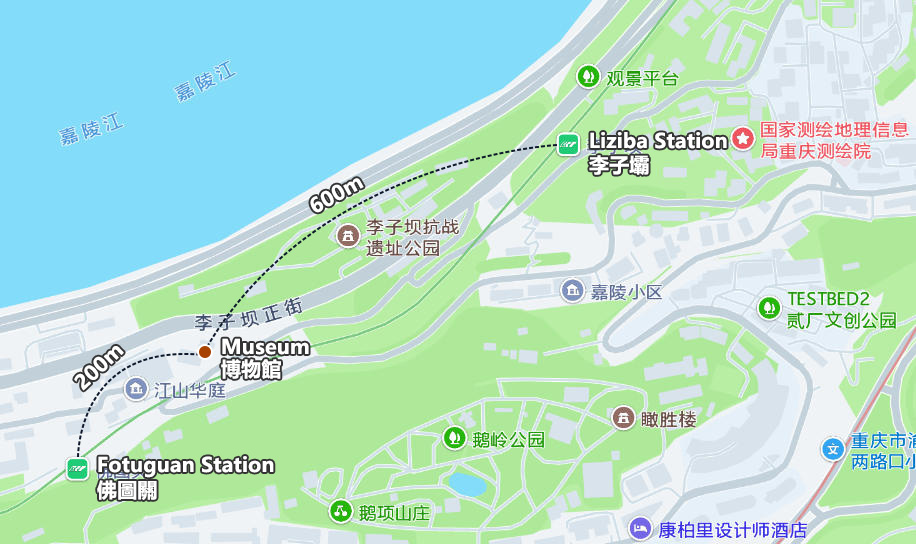
I recommend combining the Stilwell Museum with Liziba, which is only 600 meters away. Visit Liziba first, then continue to the museum.
For less walking, take Metro Line 2 to Fotuguan Station and use Exit 1. From there, it is about a 200-meter walk to the museum.
Admission & opening hours
Admission is free, and no advance reservation is required. You normally just need to show a valid ID at the entrance.
I forgot to bring mine when I visited. The staff asked me to enter my details in a registration book and still let me in.
Opening hours: 9:00 to 17:00,Closed on Mondays
What to see
Just inside the entrance is a small plaza with a statue of Stilwell. Nearby is an open stone “book” engraved with a letter President Roosevelt wrote to the people of Chongqing in 1944, praising the resilience and courage they had shown during years of Japanese bombing.
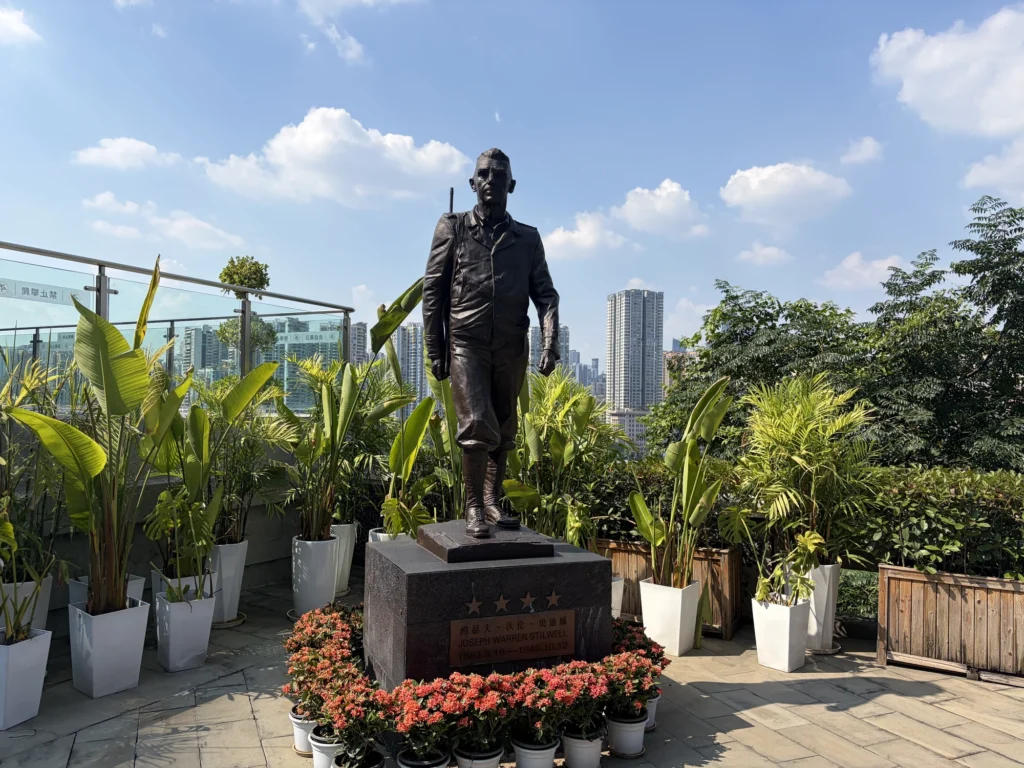
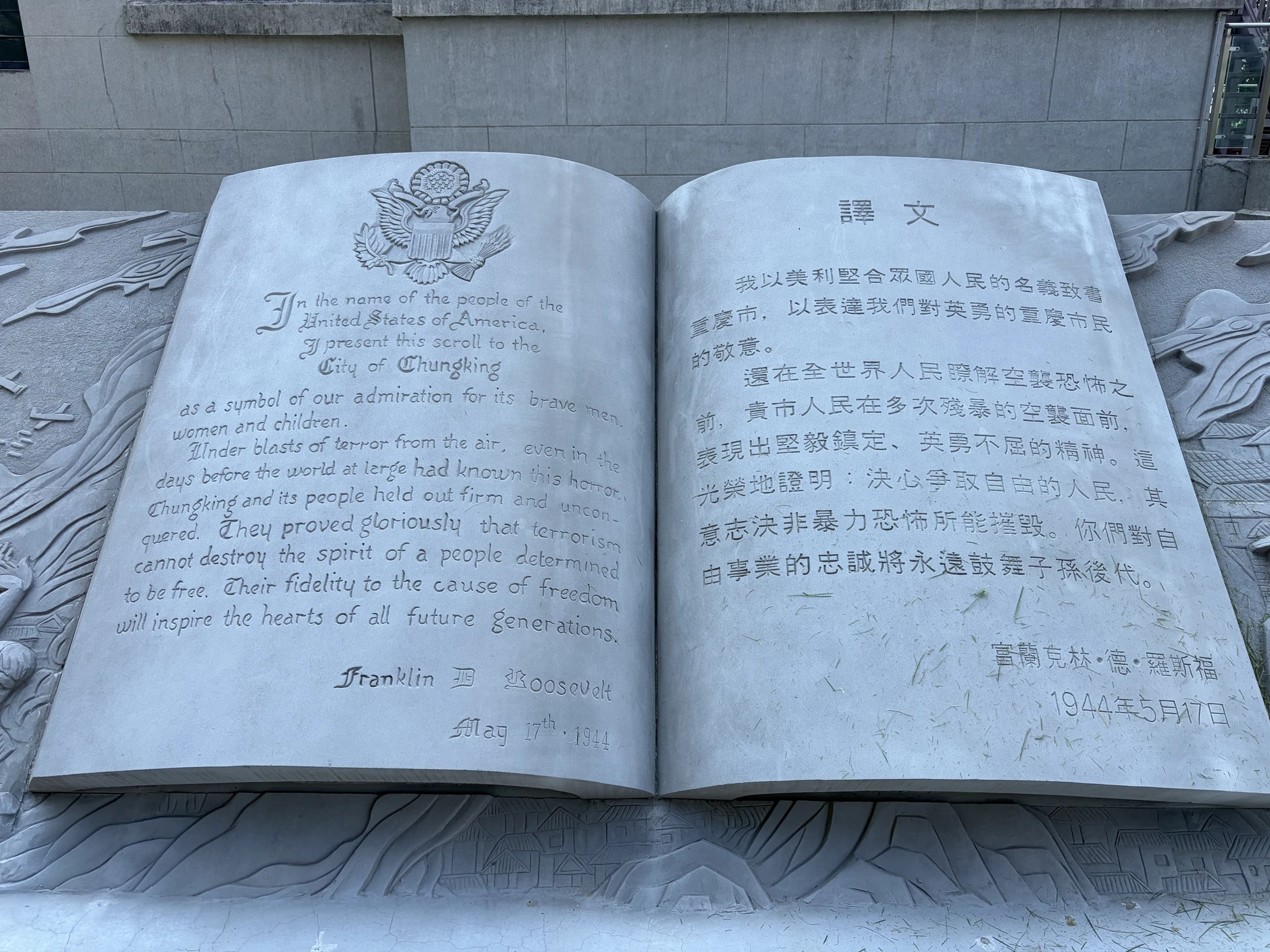
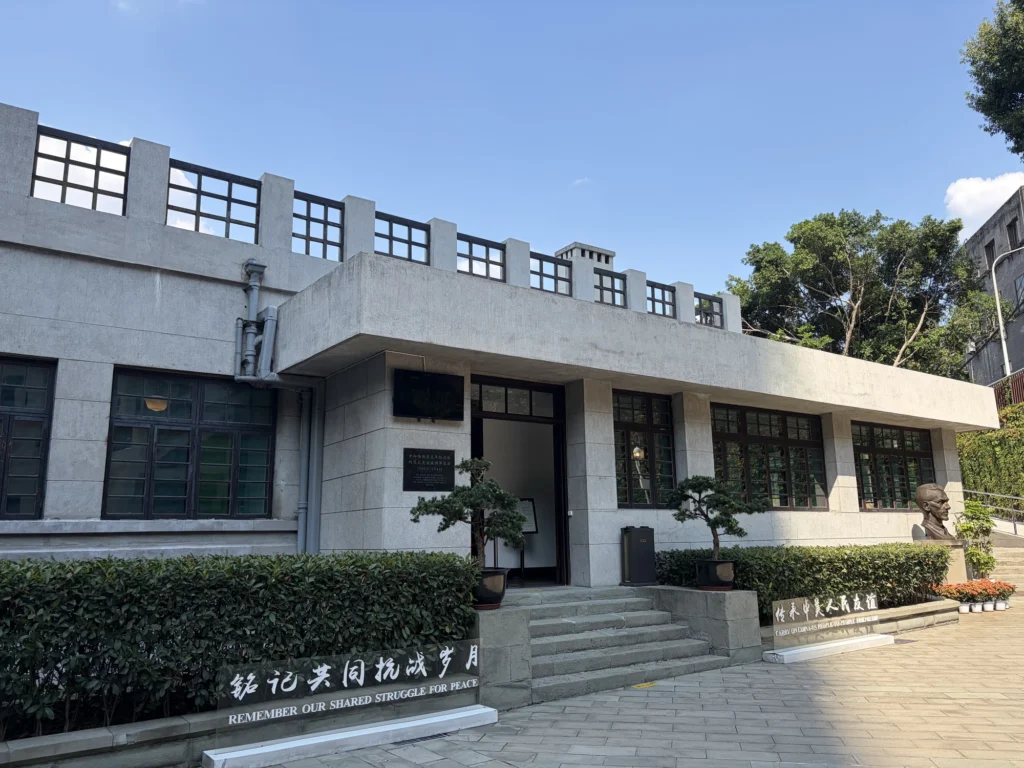
Head downhill from the plaza and you will reach Stilwell’s former residence.
The house was built in the 1930s by Chongqing builder Tao Guilin. It was later used as a residence by T. V. Soong and as accommodation for important guests of the Nationalist government.
After the China Theater was established in 1942, Stilwell came to China and often stayed and worked here until he was recalled to the United States in October 1944. The house later became known as the Stilwell Residence.
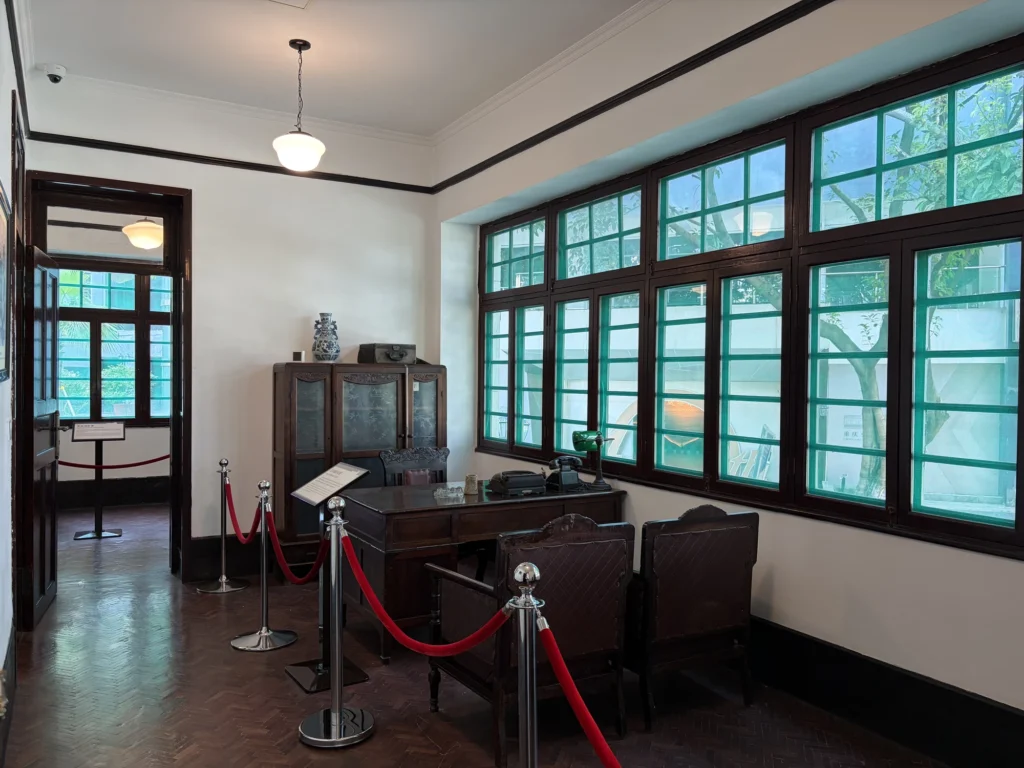
The furniture and furnishings inside the residence were not arranged at random. They were recreated based on original records and the recollections of people who were there at the time, including Stilwell’s aide Yang Mengdong.
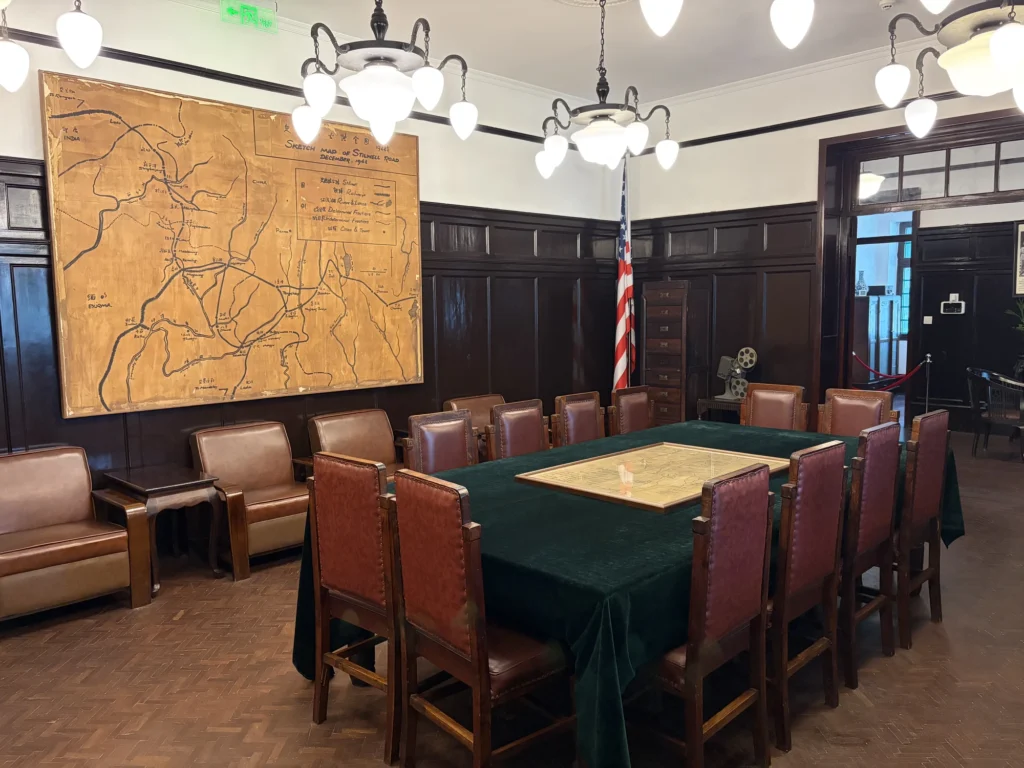
My favorite room was the operations room. I had seen wartime command rooms like this on screen before, but this was the first time I had actually stepped inside one. A long table sits in the center of the room, surrounded by wooden chairs, while a map of the Stilwell Road hangs on the wall. The room immediately feels like a step back into the war years.
The exhibition on Stilwell’s life begins after you leave the residence.
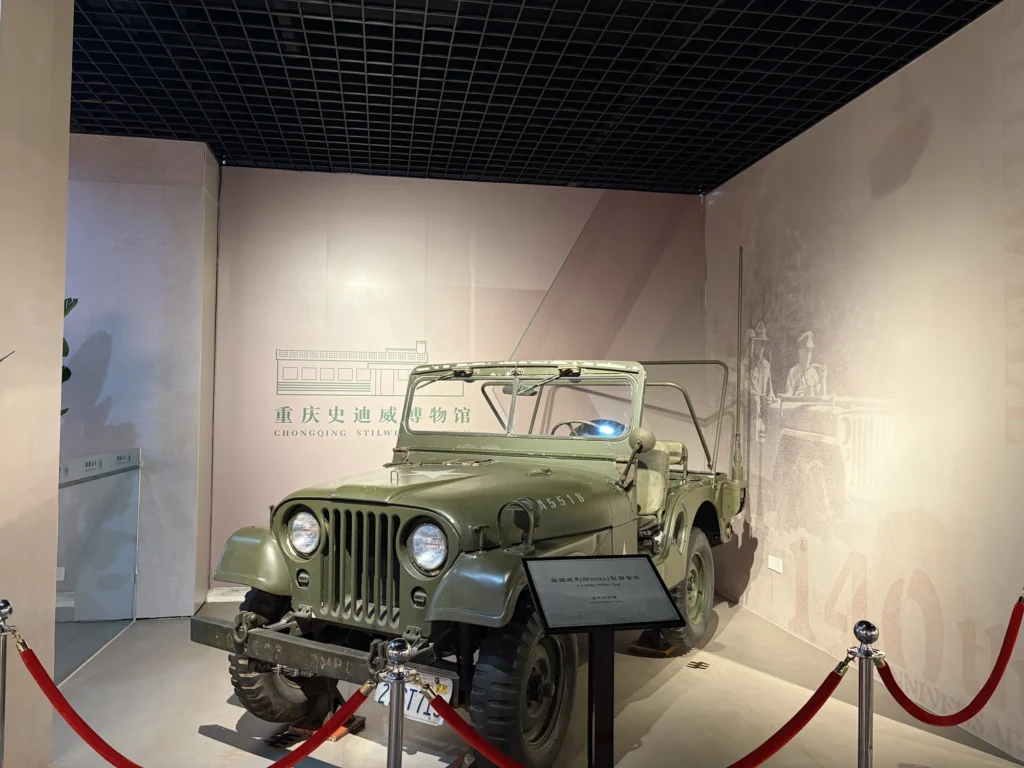
Right at the entrance is a Willys M38A1 Jeep, donated by Chinese American Tan Yongzhao. At first glance, it looks like a World War II military jeep. The M38A1, however, did not enter production until 1952, several years after the war ended. I am not sure why this particular model is displayed here.
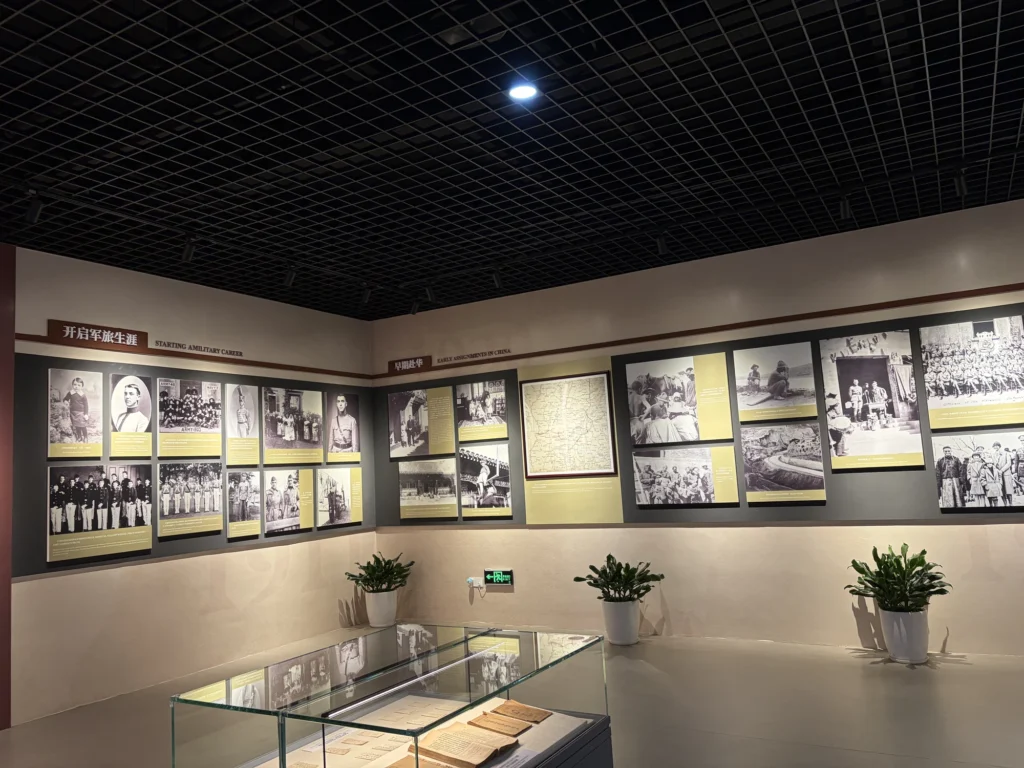
Farther inside, the main exhibition follows Stilwell’s life chronologically. It begins with his childhood and continues through West Point, his early military career, his several periods in China, and finally his experiences in China and the China-Burma-India Theater during World War II.
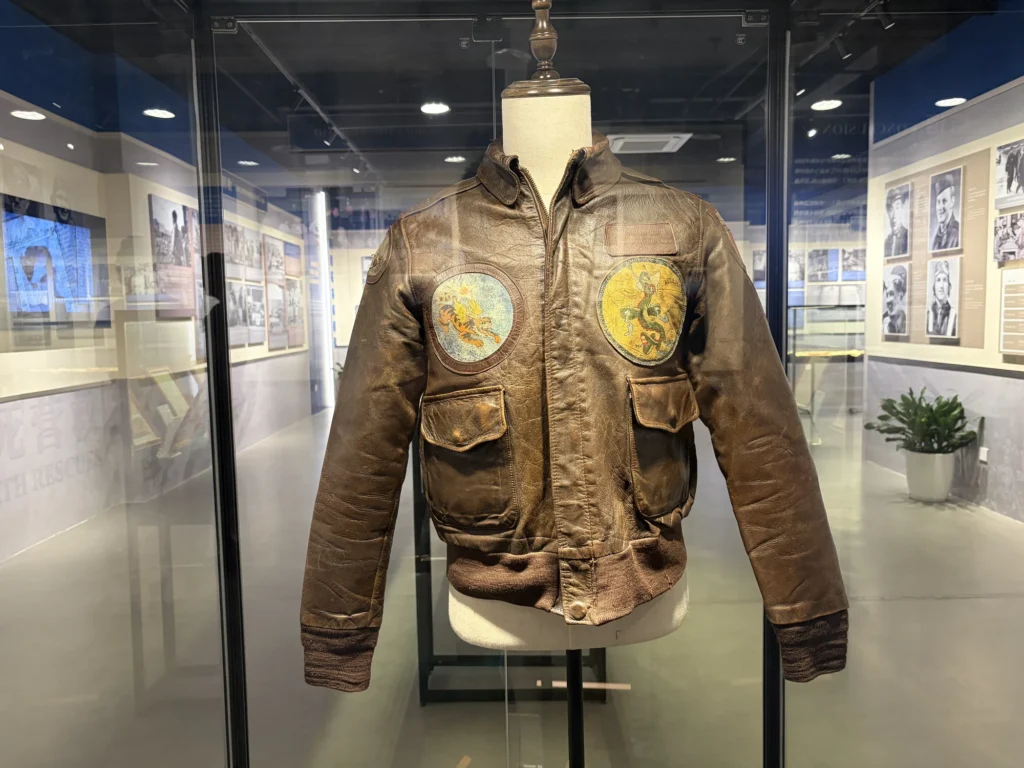
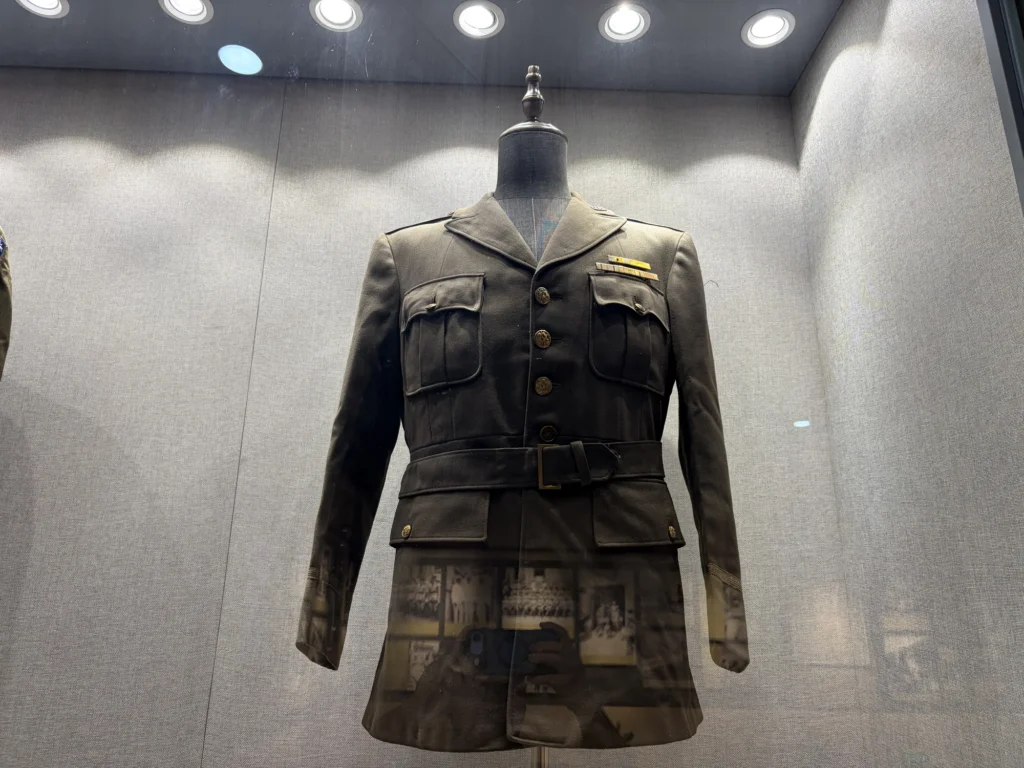
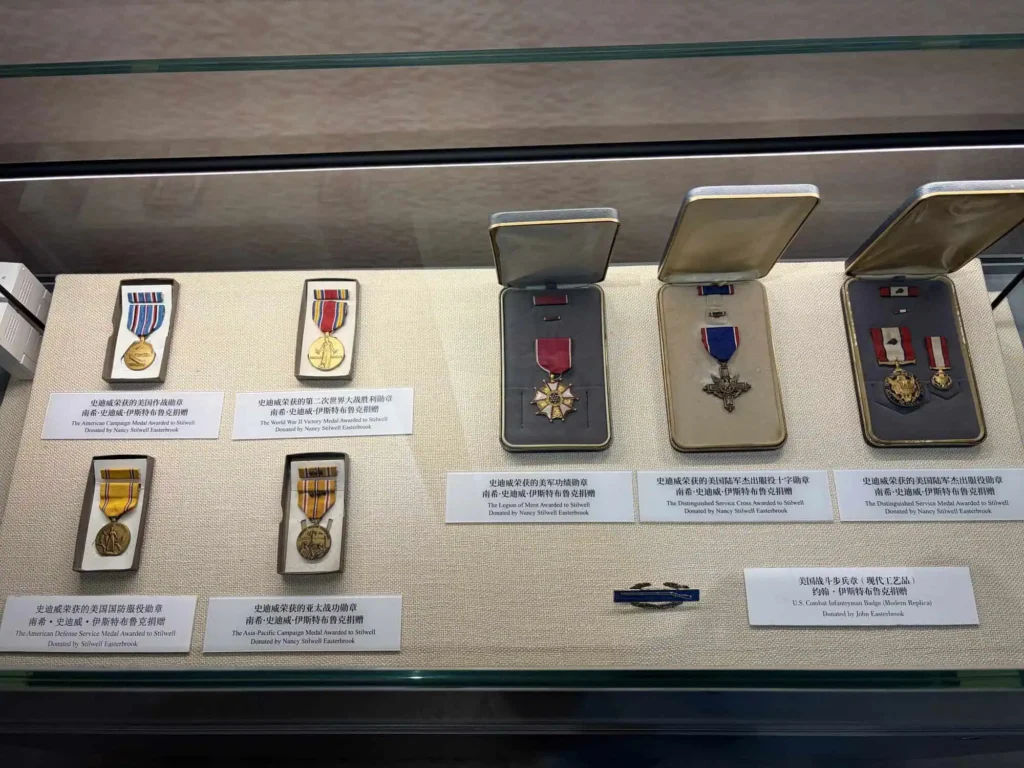
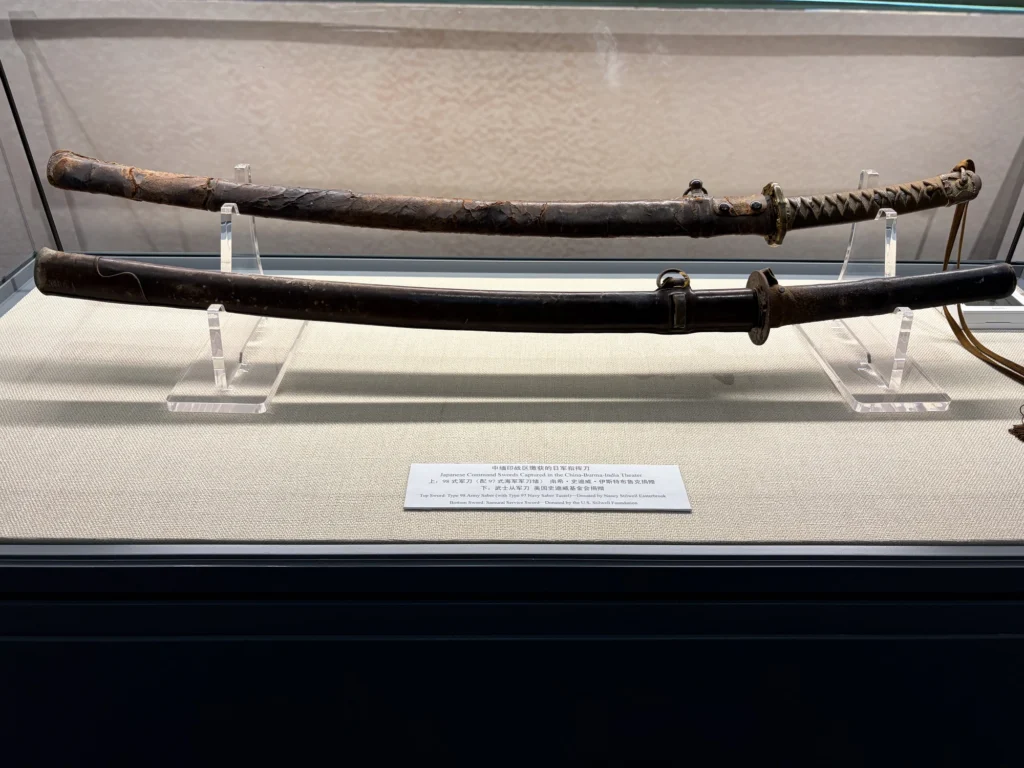
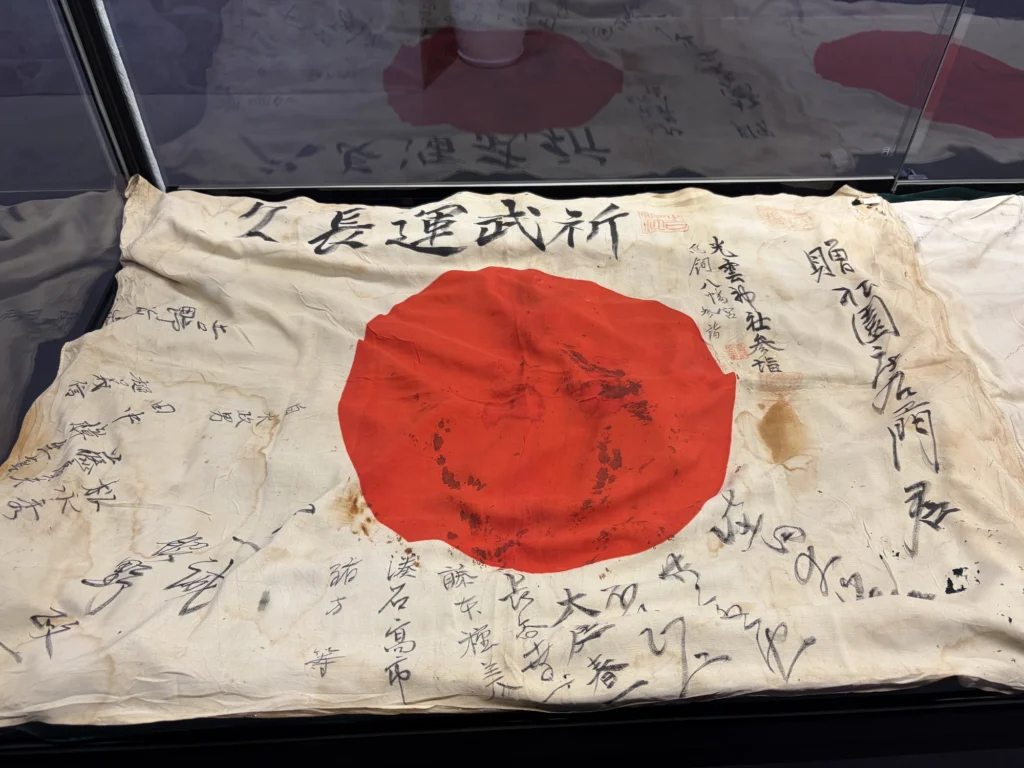
Alongside the photographs and text displays are plenty of artifacts. These include a military uniform jacket worn by Stilwell and donated by his daughter, along with collar insignia, a cap badge, shoulder insignia, and medals he once wore. Several Japanese officers’ swords captured at the front are also on display.
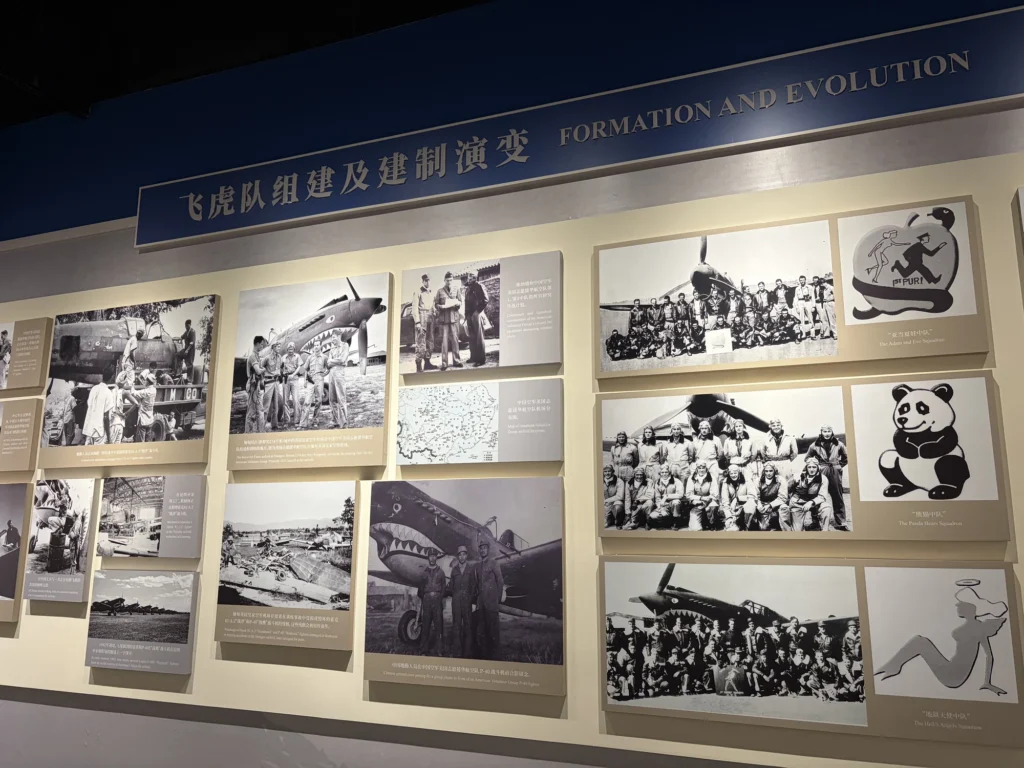
At the far end of the museum is a separate section on the Flying Tigers, with more than 200 historical photographs and dozens of artifacts. It starts with the American Volunteer Group and continues through its later reorganization into the U.S. Fourteenth Air Force, as well as accounts of Chinese and American military personnel and civilians fighting together and rescuing airmen in distress.